
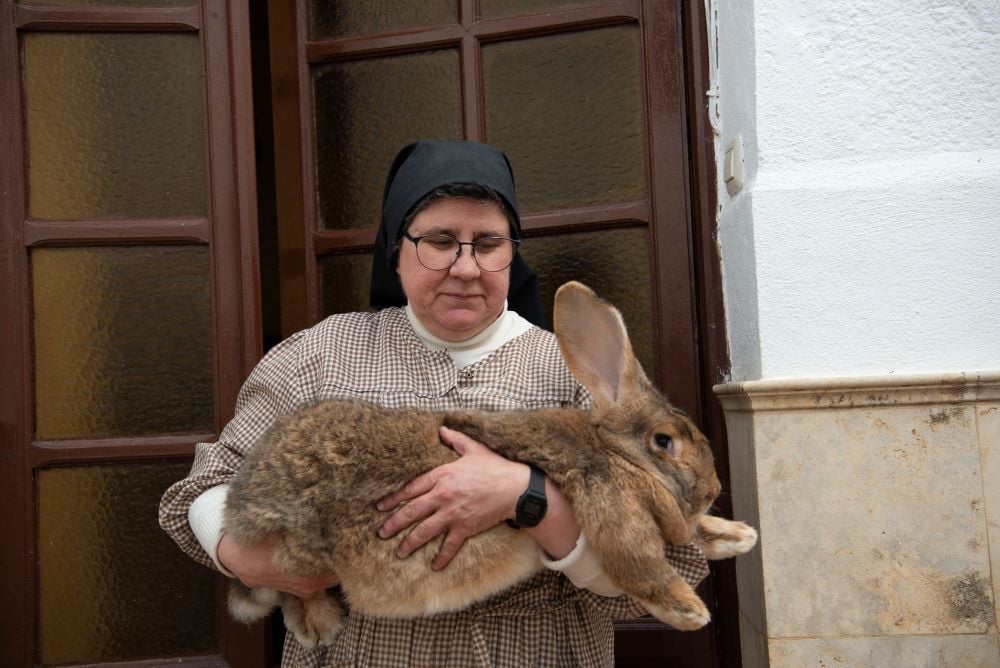
A CONVENT in Toledo has become one of the last places where the endangered Spanish giant rabbit can be found, with a group of nuns now working alongside scientists to prevent the breed from disappearing.
At the San Antonio de Padua convent, the sisters spend their days balancing prayer, making homemade sweets and ice cream with breeding the giant rabbits, a practice they have maintained for 30 years.
The convent has become one of Spain’s most important centres for the breed, housing 20 females and 16 males. In addition to the 36 adults, they have 40 babies (kits).
According to the Ministry of Agriculture, there were just 67 purebred breeding females left across the entire country in 2024.
READ MORE: Fresh protests in Mijas this weekend against notorious donkey taxis – all you need to know
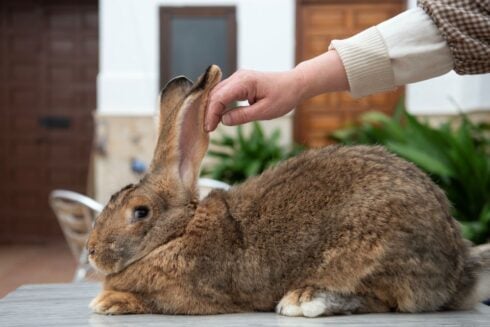
Leading the project is Sister Consuelo Peset, who has spent decades caring for the animals after her parents brought two of the rabbits. “We’ve always had them at home,” she explained to El Pais.
When she discovered they were endangered, she decided to get involved in trying to save them from extinction.
Although Peset was not leading the convent then, her community agreed to help breed and study the rabbit. To do so, they obtained permits from local authorities and set up a small farm.
Now, the convent has been working with the Complutense University of Madrid on a project designed to preserve the rabbit’s genetic purity and avoid inbreeding.
READ MORE: Fears for Gibraltar monkeys as they’re spotted ‘eating mud after consuming junk food from tourists’
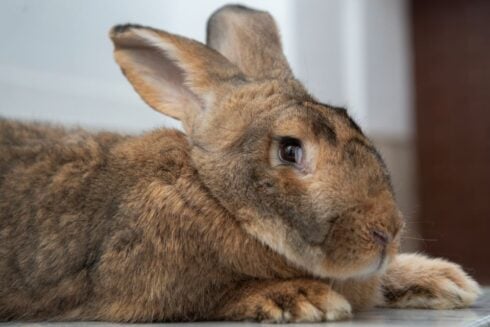
The breed once played an important role in feeding Spanish families during difficult times, especially during the Civil War and post-war years.
But its numbers collapsed after medium and hybrid breeds became more popular in industrial farming during the 1970s.
Sister Consuelo believes the animal deserves greater recognition. “Many families have managed to get by thanks to this animal, and now it seems we are forgetting that part of our history” she told Global Sisters Report.
READ MORE: EXCLUSIVE: ‘Nightmare’ for British pet owners as EU scraps passport ‘loophole’
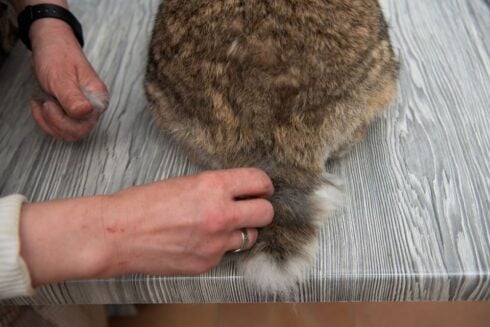
The convent spends up to €7,000 a year on feed and medication alone. Despite the cost and hard work, the sisters remain devoted to the cause.
“If nobody gets involved, there will come a time when the species will be lost,” Sister Consuelo warned.
Click here to read more Animals News from The Olive Press.