
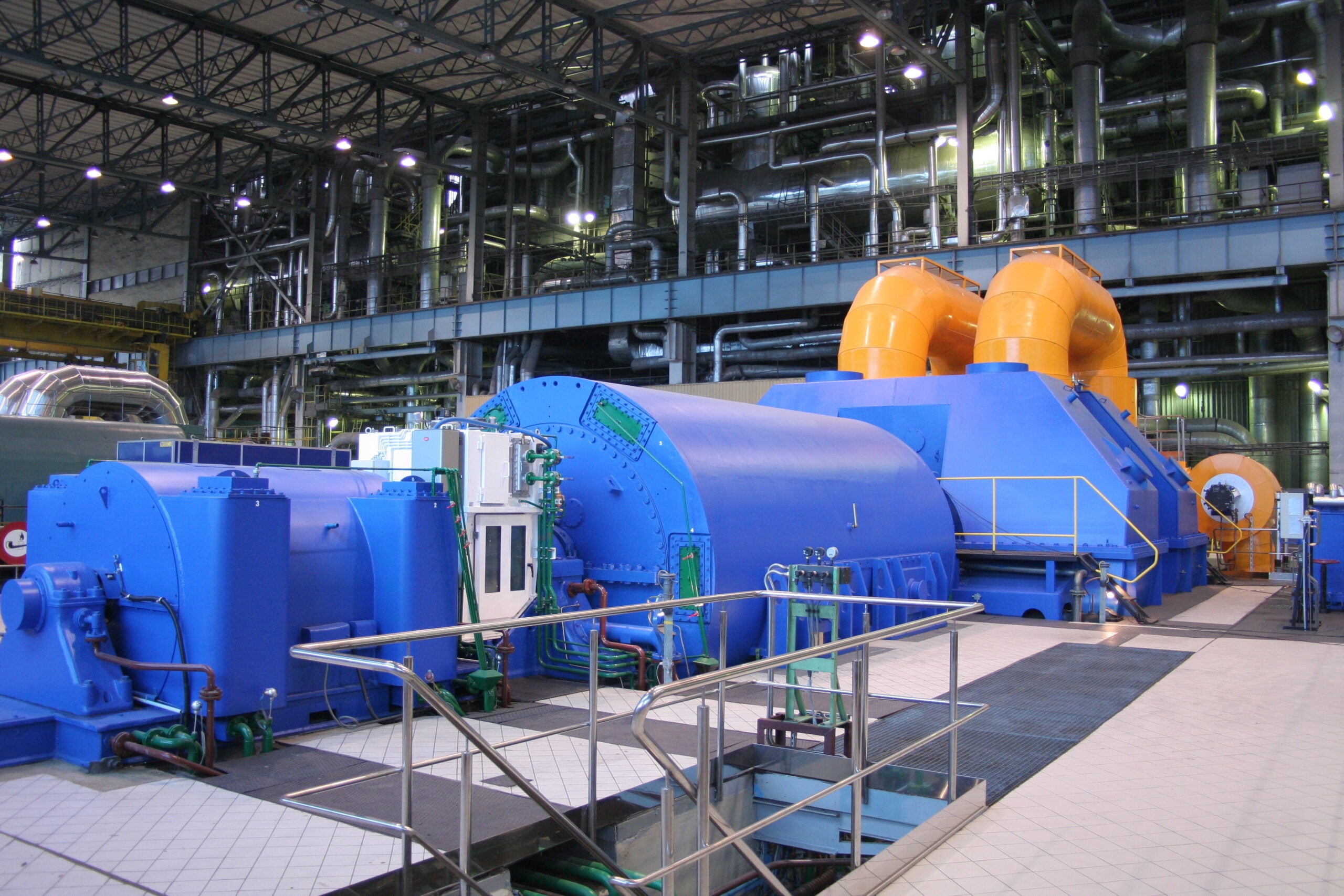
SPAIN is struggling to hold on to its nuclear engineering talent just as the global atomic energy industry enters one of its biggest growth periods in decades.
At the centre of the problem is Ensa, Spain’s only state-owned manufacturer in Cantabria that builds nuclear equipment for projects around the world.
Founded in the 1970s during the country’s nuclear expansion, it later survived Spain’s nuclear moratorium by focusing on international markets.
Now, the company is experiencing a wave of proposals as nuclear power becomes popular again, with countries investing heavily in nuclear power and small modular reactors (SMRs).
However, despite growing international demand, the company has reportedly been forced to walk away from potential contracts because it cannot recruit enough workers.
The shortage is being blamed on strict public sector hiring rules and salaries that cannot compete with private industry or foreign companies.
The company is currently producing storage systems for radioactive waste from Spain’s nuclear plants and is also involved in a project led by TerraPower, the American nuclear firm backed by Bill Gates.
But insiders say Ensa has reached its limit. According to El Mundo, the company needs between 60 and 80 extra workers to cope with demand.
However, as a public company it faces restrictions on hiring and pay.
Employees say private sector wages are roughly 30% higher, while international firms such as Westinghouse and Areva are increasingly targeting Spanish engineers.
“We used to be good in the nuclear sector, but at this rate, we’re going to stop being so. The day we want to return, it’s going to be very expensive and complicated,” one employee told El Mundo.
READ MORE: Spain’s six major banks rake in eye-watering €10.8 billion in profits in first quarter of 2026
Union representatives say the brain drain is worsening, with several experienced staff and project managers already receiving offers far exceeding the renumeration provided by Ensa.
The State Holding company, SEPI, insists staffing levels are improving and denies any contracts have been rejected.
However, workers claim projects are quietly being turned down because there simply are not enough people to take them on.
Click here to read more Technology News from The Olive Press.