
PART I: THE SHERRY REVOLUTION
SPAIN’S multi-million euro sherry empire was built entirely on a bizarre twist of fate, an ancient accident, and a clumsy British tongue.
The world-famous fortified wine produced in western Andalucia’s Jerez-Sanlucar-Puerto de Santa Maria triangle is unique on this earth.
But its global success stems from a stomach-churning Roman discovery.
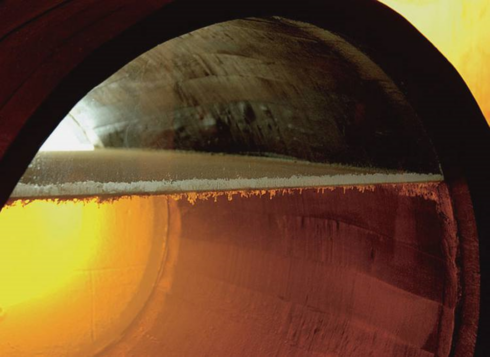
Centuries ago, ancient winemakers noticed a thick white layer of what was essentially living scum developing over fermenting barrels.
Instead of ruining the batch, this layer—now famously known as the flor—sealed the wine from the air, trapping a tangy, powerful flavour found nowhere else on earth.
The unique drink quickly attracted global history’s heavy hitters, including Christopher Columbus and William Shakespeare.
But the multi-million euro empire we know today was actually triggered by an enterprising Irishman with a clever recycling scheme.
About 200 years ago, a ship-owner named Mister Byass arrived in Jerez with a pitch for the region’s biggest wine merchant, Señor Gonzalez.
The Irish trader offered to transport the premium wine to London in his vessels and return the empty barrels to Spain to be reused.
The brilliant maritime plot later became the exact real-life inspiration for the hit 1970s British TV series The Onedin Line.
As the years rolled on, the barrels acquired a mature patina that supercharged the wine’s flavour, prompting Gonzalez to partner up with the Irishman to form the iconic Gonzalez-Byass dynasty.
READ MORE: ON THIS DAY: Two Spanish royal marriages, the death of a poet and a brutal mutilation
Yet, the partners faced a major marketing crisis: what should they actually call the product?
British buyers completely lacked the tongue for the local dialect, clumsily corrupting the Spanish word Jerez into the sloppy mispronunciation ‘sherry’.
Realising ‘sherry’ was far too generic, Byass demanded to know who had mastered the unique blend.
“My Uncle Pepe,” Gonzalez replied.
The legendary Tio Pepe brand was born on the spot.
On May 26, 1933, Western Andalucia’s signature creation was officially granted its strict Denominacion de Origen (DO) licence.
The historic legal ruling ensured that from that day forward, no other wine on earth could ever legally call itself sherry.
PART II: THE ALICANTE INFERNO
A DEADLY clandestine fireworks industry operating secretly inside residential bedrooms once triggered a cataclysmic explosion that flattened the heart of Alicante.
While today’s spectacular Hogueras de San Juan festival is tightly managed by local authorities, the city’s relationship with pyrotechnics was once a lethal free-for-all.
A century ago, the manufacturing of fireworks was completely unregulated.
To cash in on the massive public demand for the June fiestas, a massive black-market industry took over the city during April and May.
Unsuspecting back rooms of ordinary downtown offices and family homes were quietly converted into highly volatile chemical workshops.
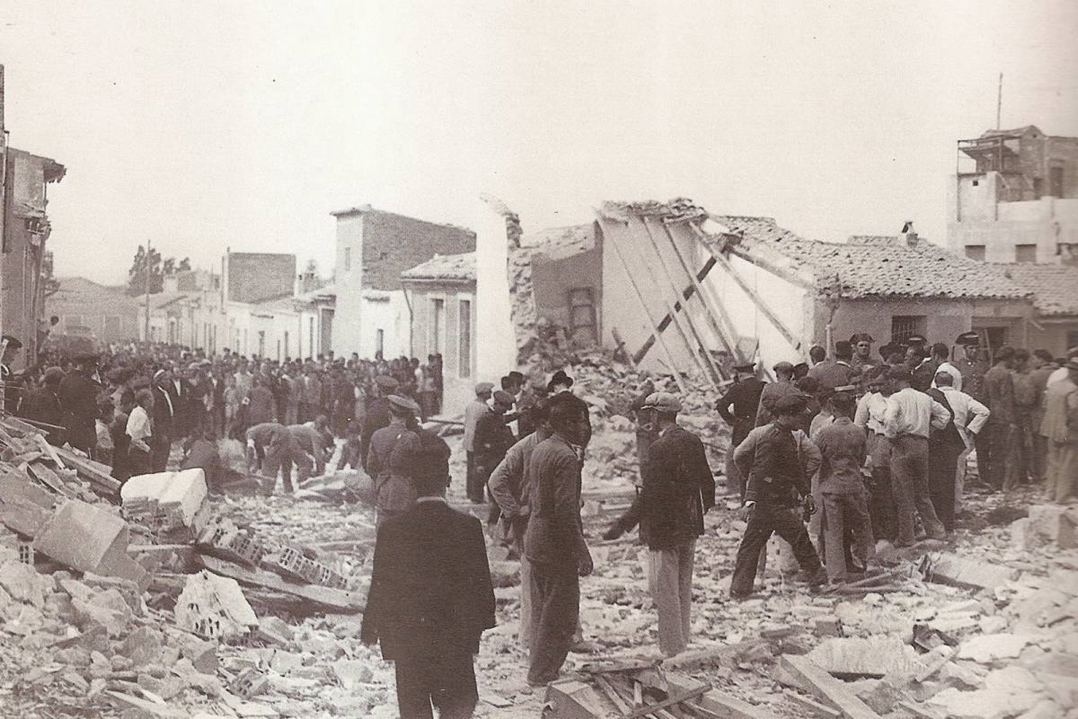
At exactly 7.30am on Saturday, May 26, 1934, the inevitable disaster struck.
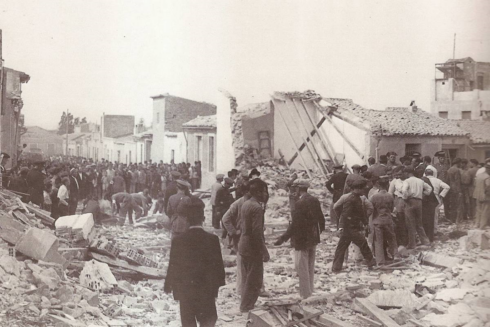
An enormous explosion tore through the centre of Alicante, completely vaporising an improvised urban warehouse where unlicensed pyrotechnics were being hoarded.
The blast occurred on the corner of what is today’s Calle 30 de Marzo — then, as it is now, a densely packed residential zone.
Five people were killed instantly and dozens more were left mutilated and injured as multiple homes completely collapsed.
The explosion was so violent that neighboring houses blocks away had their windows completely blown out by the shockwave.
Of Vicente Jornet, the 70-year-old firework maker operating the illicit site, only tiny scraps of clothing were ever recovered from the smoking rubble.
Forensic experts believe the veteran builder accidentally dropped a jar of highly volatile fissile liquid.
When soaked into a cloth fuse, the chemical compound burns slowly, but a sudden physical impact causes it to instantly detonate with the horrific violence of nitro-glycerine.
While the reckless builder knew the extreme stakes of his illegal trade, the true tragedy lay with innocent victims like Catalina García.
The local resident was simply walking down the street, passing the building at the exact split-second the warehouse detonated.
In the tragic aftermath, the shell-shocked community quickly rallied, with thousands of volunteers clearing the rubble by hand.
A massive local relief fund was rapidly set up to provide emergency cash, shelter, and support to the dozens of families left entirely homeless by the disaster.
Click here to read more On This Day In Spain News from The Olive Press.