THERE’S a church in Sevilla which was built specifically to house a beautiful statue.
Many people go there, to see the image of The Virgin. It’s known to the world as ‘La Macarena’.
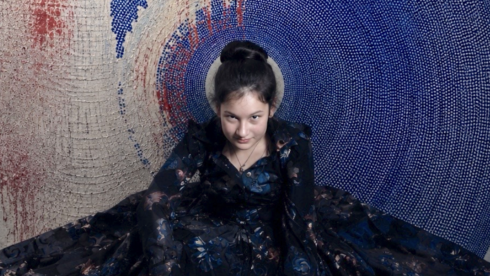
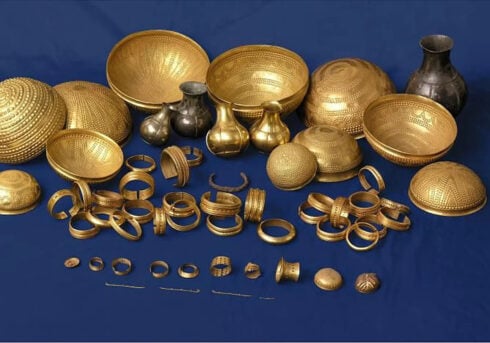
La Macarena is maintained with enormous love and care. ‘She’ is dressed in the finest fabrics, and decorated with fabulous jewels.
Every year, she plays her part in the Semana Santa processions.
On very special occasions, they make a one-off, elaborate costume for her. And she is venerated by bullfighters.
Well, not so much these days.
There are several reasons why matadors no longer worship this statue like they used to.
Firstly, bullfighting no longer occupies the central role in Spanish culture that it once did.
A consequence of that fact is, the ‘stars’ don’t earn the fortunes they made a century ago, and they no longer lavish money on jewels to adorn statues.
But the main reason is, education has improved massively in the last hundred years.
Today, a top bullfighter owns a Land Rover, a flat in New York and (quite likely) a degree in economics. A century ago, it was all very different.
The gypsies of the Triana district of Sevilla were despised by the general population.
They did the most menial jobs, they were illiterate, and were suspected of committing every crime going.
But even today, Spanish gypsies are admired for their physical grace.
They are the best flamenco dancers. They used to be the best bullfighters.
Only one way out of desperate poverty existed for a young male gypsy before Spain opened up in the 1960s – he had to demonstrate a talent for fighting the bulls.
It is no surprise that the few able lads who found success were ignorant and superstitious.
They typically attributed their good fortune to a local Virgin – a strange mixture of religious ideas, and an irrational trust in the piece of carved wood in the local church.
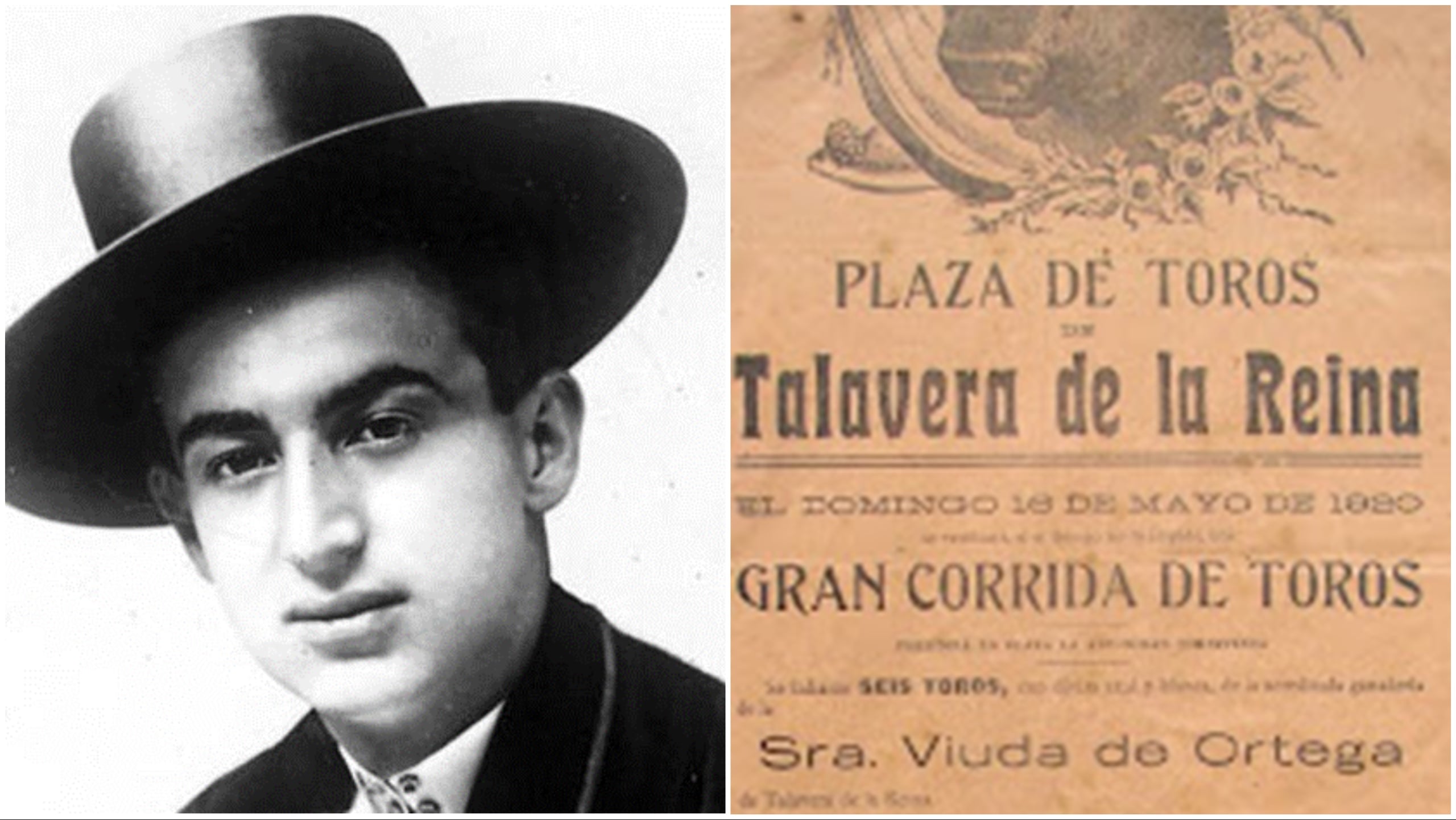
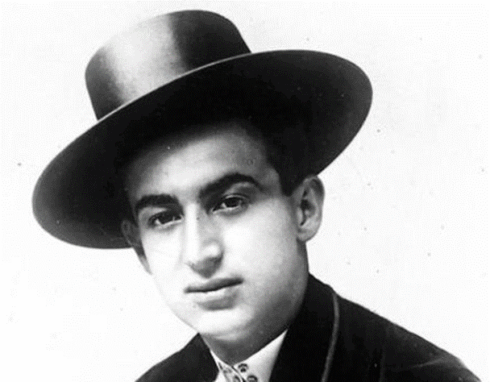
‘Joselito’ (Jose Gomez Ortega) is the perfect example of this phenomenon.
He was born at the tail end of the nineteenth century. By the age of 17, he was fighting bulls professionally, and making big money.
His older brother was already established, and known as The Cockerel (‘El Gallo’).
So they called Jose either ‘Joselito’ (‘Little Joe’) or ‘The Little Cockerel’ (‘El Gallito’).
Joselito was a crowd-pleaser, entertaining the public with his acrobatic antics, rather than simply slaughtering the beast in front of him, as so many ‘payos’ did. (‘Payo’ is the gypsy word for us, the non-gypsies.)
But he didn’t credit his own natural ability.
READ MORE: Malaga bullring boss investigated for workplace negligence following fatal goring of retired matador
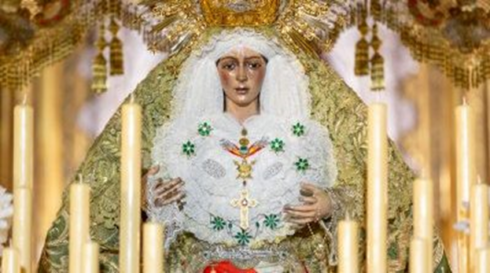
He was sure his growing wealth came thanks to La Macarena. His devotion to The Virgin’s statue was well-known in Sevilla.
He spent a king’s ransom on jewels to decorate La Macarena’s dress. You can still see them in place today.
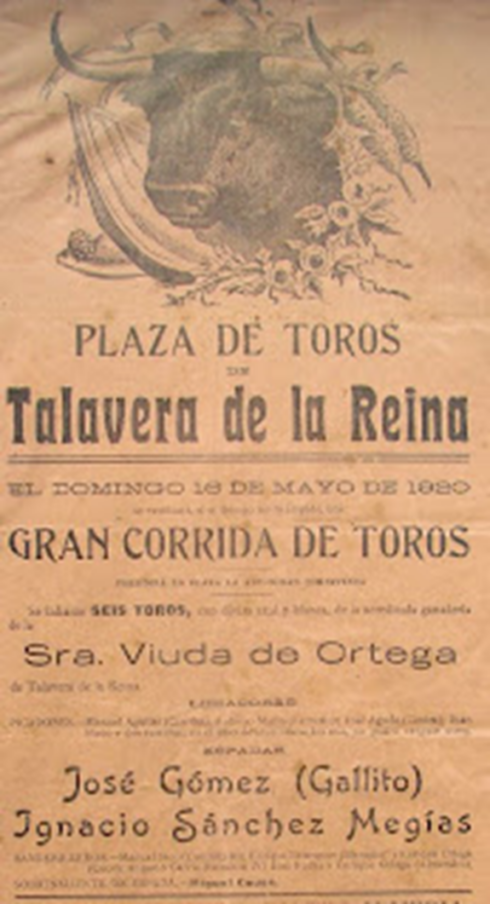
On 16 May, 1920, Joselito was contracted to go ‘mano a mano’ with Ignacio Sanchez Mejias in Talavera de la Reina, near Toledo.
Traditionally, a bullfight has three matadors and six bulls – each torero fighting two ‘enemies’.
For special occasions, two bullfighters will meet in friendly competition.
The deal on this occasion was that the two toreros were brothers-in-law. Joselito shouldn’t have been there.
He was too famous to appear at such a bullfighting backwater, and he had to cancel a much more lucrative Madrid bullfight in order to make it.
But he wanted to work with Ignacio, and Talavera had been his father’s favourite ring.
The fifth bull was named ‘Bailador’ (The Dancer’). The highly superstitious Joselito should have paid attention to its pedigree – it was bred on the ranch of the Widow Ortega – as his own wife was soon to be known.
The bull was small, with puny horns, and defective eyesight.
If you think modern bullfighting barbaric, this was pre-1927, and the bull was permitted to kill horses. ‘Bailador’ put paid to three.
Then, somehow, it hooked Jose’s right thigh, and tossed him, goring him in the stomach as he came down.
There was nothing the bullring’s tiny infirmary could do.
Ignacio Mejias (who would himself die in a bullring) was at Joselito’s side at the end. The dead man was 25 years old.
When the news reached Sevilla, La Macarena was decked out in a black mourning dress.
Click here to read more Spain News from The Olive Press.