
FROM celestial visitors and royal controversies to the death of an infamous Costa del Sol crook, May 14 has proven to be quite the date in Spanish history.
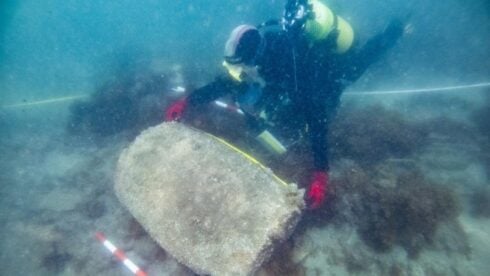
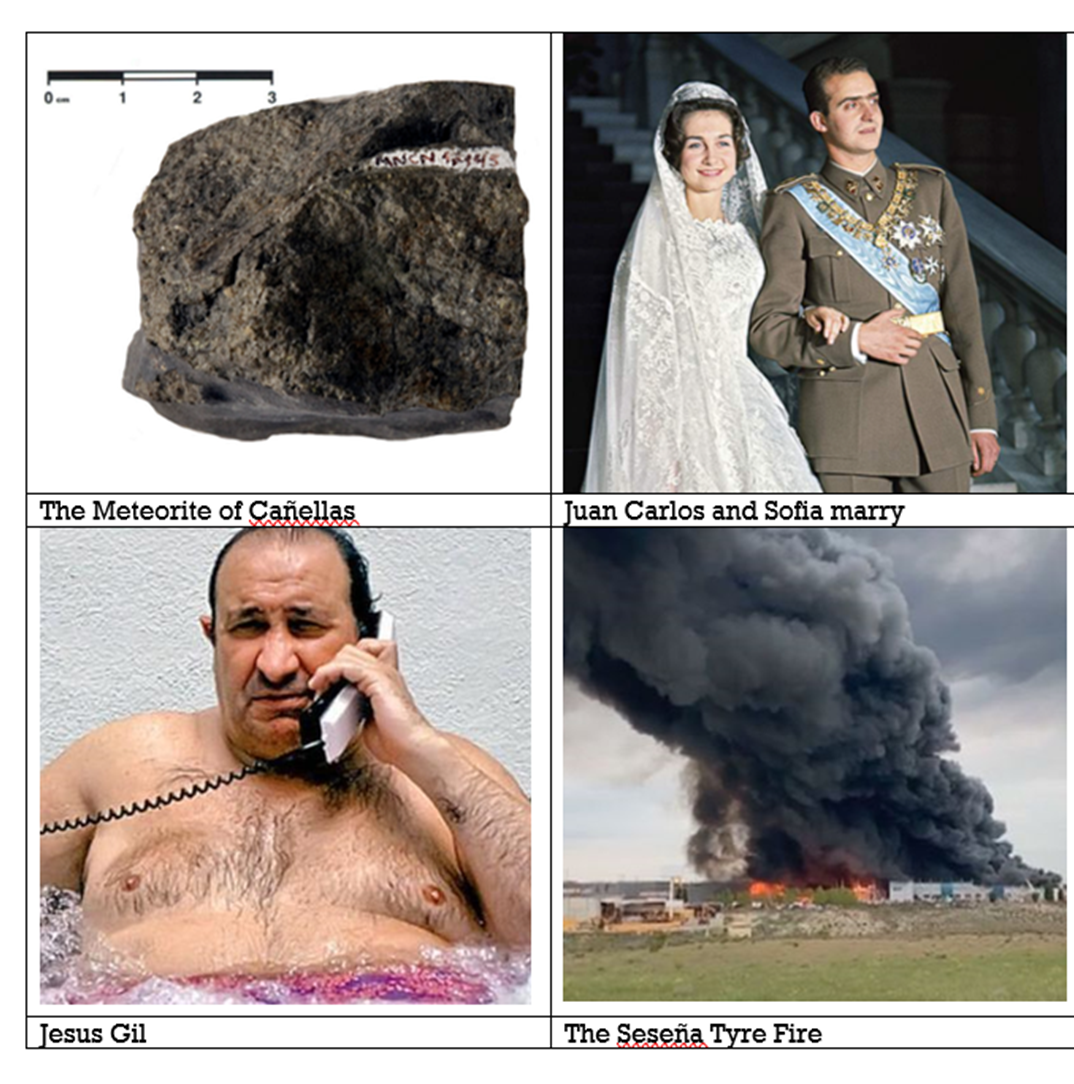
Starting way back on this day in 1861, Catalunya received a rare and fiery visitor from the cosmos when a meteorite smashed into the ground in Cañellas.
While most shooting stars burn up in our atmosphere as mere grains of sand, a meteorite is a survivor.
These rocks bring us a golf-ball-sized glimpse of the universe from before Planet Earth was even formed.
Catalunya actually boasts a long and detailed history of attracting these ancient space rocks, making the 1861 impact a fascinating piece of local trivia.
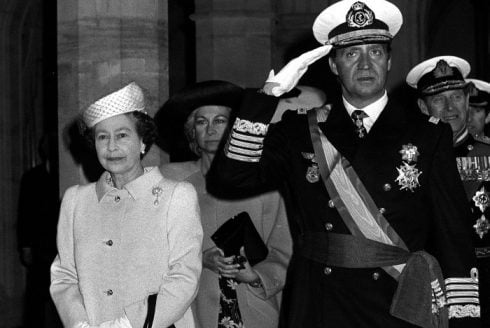
Fast forward to May 14, 1962, and the drama was strictly terrestrial as a 24-year-old Prince Juan Carlos of Spain tied the knot with Princess Sofia of Greece.
Sofia, who is now 87, was related to the late Prince Philip, making the newlyweds third cousins through their shared descent from Queen Victoria.
The pair endured no fewer than three wedding ceremonies in Athens that day, moving from a Roman Catholic cathedral to a Greek Orthodox service before finally making their civil declarations.
It was a highly controversial union that raised eyebrows in Greece, particularly as the bride was forced to bring a massive cash dowry and agree to raise any children in the Roman Catholic faith.
Many suspected the dictator General Francisco Franco was simply using Greece to ‘re-heat’ Spanish royalty, yet the marriage has somehow survived for 64 years.
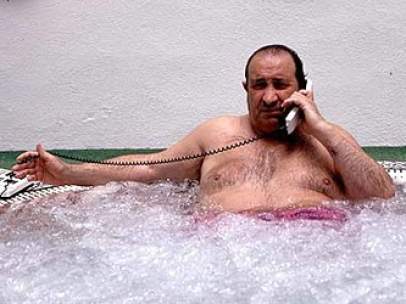
Jumping ahead to 2004, the Costa del Sol lost its most notorious crook on May 14 when the fiercely corrupt former mayor of Marbella, Jesus Gil, cheated prosecutors by dying.
Gil was facing a severe slate of charges when a brain seizure claimed his life, allowing him to escape justice for defrauding the municipality of millions of euros.
During his brazen 1991 to 2002 tenure, council employees openly flaunted racehorses and original Velazquez paintings before many were inevitably sent to prison.
His unrepentant greed had deadly consequences long before his political career. In the 1960s, a Segovia building he developed without an architect or blueprints collapsed and killed 58 people.
Despite his appalling track record, an astonishing 20,000 people still turned out to attend his funeral.
Finally, on May 14, 2016, the dark legacy of Spain’s turn-of-the-millennium property boom went up in smoke in Seseña, near Toledo.
A notorious local eyesore known as the tyre cemetery mysteriously caught fire in what was later deemed a deliberate act of protest.
READ MORE: ON THIS DAY: The death of Pablo Picasso – but is he Spain’s greatest ever artist?
The towering inferno of used rubber proved incredibly difficult to extinguish and pumped acrid, cancer-causing toxic gases into the air, threatening to blanket nearby Madrid.
Local residents were urgently evacuated and schools were forced to close their doors as emergency services battled the blaze.
The Guardia Civil finally tracked down and arrested the arsonist responsible for the chaotic ‘El Quiñon’ disaster a year later.
Click here to read more La Cultura News from The Olive Press.