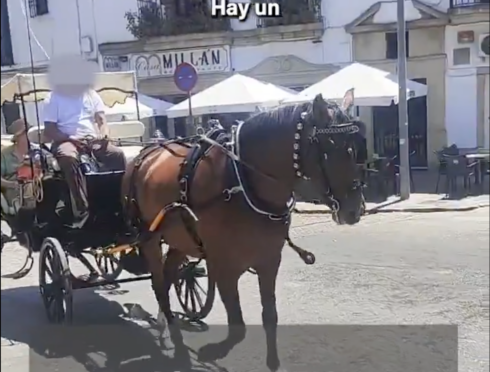

DEEP in Cordoba’s historical heart, there’s a square called ‘the Foal’ (‘la plaza del Potro’).
It gets its name from the 500-year-old fountain in the centre, which is surmounted by a statuette of a horse.
At the top end of the square, furthest from the road, is the ‘Fosforito’ Museum.
It’s dedicated to Antonio Fernandez Diaz – one of Cordoba’s greatest-ever flamenco singers. But the building is far older than ‘El Fosforit’ himself.
In the opening pages of ‘Don Quijote’, the addled old fool who is the hero of the book arrives here on this doorstep.
In the period of the story (about the year 1600), the museum was an inn.
Don Quijote thinks he’s a knight, and fully-accoutred, he guards the building. But he’s not much of a warrior.
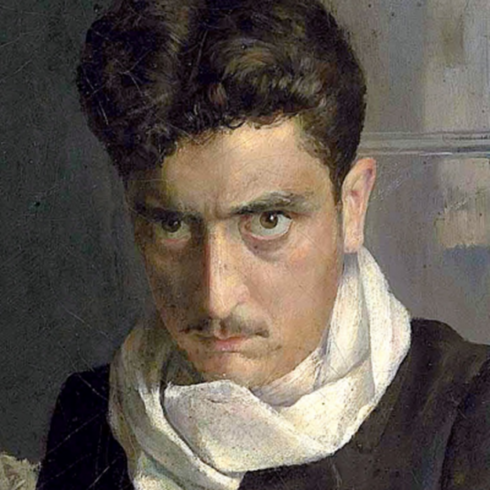
Not only is he super-annuated and painfully thin, but he’s wearing a kitchen cullender on his head (which he assumes is a helmet) and is carrying a broomstick for a lance.
The inn’s regular boozers are highly amused.
The waggish landlord comes out to chat with Don Quijote, and rattles off a list of other buildings which, no doubt, the ‘knight’ has also guarded.
The listening drinkers are in hysterics: it’s a list of well-known brothels!
Another baroque structure which also merits our attention occupies the square.
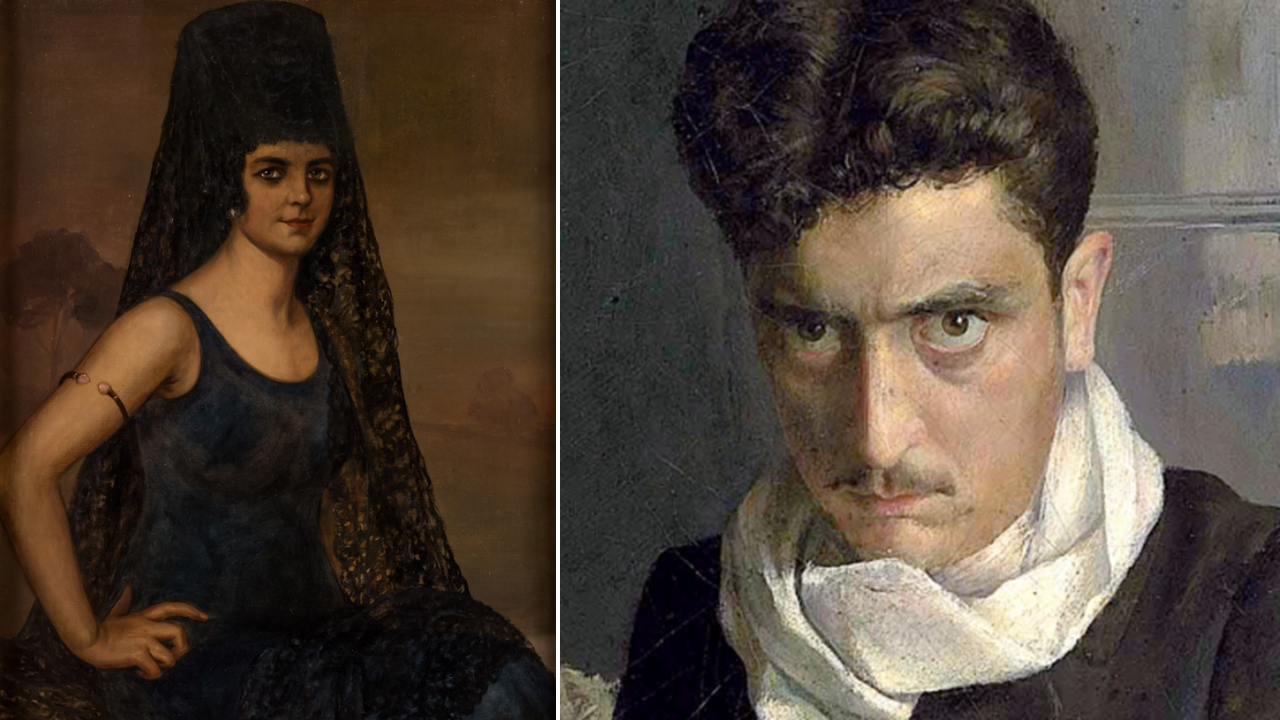
Constructed of beautiful honey-coloured stone, it is a former convent which later became the home, and studio, of Cordoba’s legendary artist – Julio Romero de Torres.
Romero de Torres was born in Cordoba in the year 1874, in this very house, and died here too, on 10 May, 1930.
Later still, it was converted into an art gallery and today houses a superb collection of his canvases.
In modern Cordoba, Julio is venerated as the very symbol of his native city.
Manolete the bullfighter, Maimonides the philosopher – no-one represents the soul of the place quite as well as Julio Romero de Torres.
A precocious drawer and painter, Julio was already illustrating the local newspaper when he was only 17 years old.
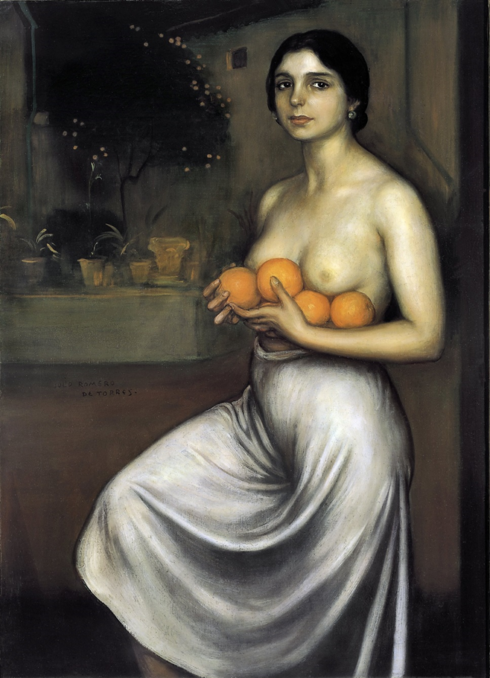
His style is frankly sexy. The stories of his love affairs are legion, and Cordoba’s beauties queued-up to have their portraits painted by handsome ‘Don Julio’.
By the time Romero was in his 30s, everyone in Cordoba loved and admired him (with the possible exception of a few disgruntled husbands!)
His painting, ‘Nurseries of Love’, failed to win an award at Spain’s National Exhibition, because it was considered ‘inappropriate’ (it depicted young prostitutes).
The people of Cordoba, however, hailed it as a masterpiece.
Two years later, he won the National’s Gold Medal with a picture which combined two of his passions: ‘Gypsy Muse’ had as its subject a much-loved flamenco singer (she also happened to be Cordoban, and beautiful).
In the 1920s, Romero de Torres attained fame in South America, and he travelled to Argentina to exhibit his paintings.
But the wine, the women and the cigars were taking their toll. Julio’s health declined markedly, and when he died of liver disease in 1930, he was only 55 years old. The whole of Cordoba turned out for his funeral.
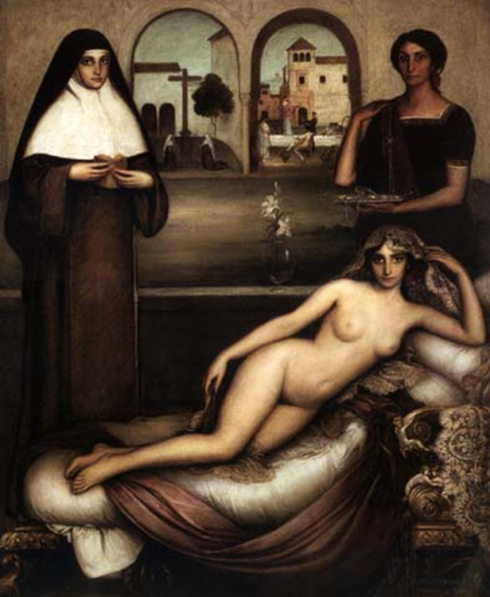
It will come as no surprise to learn that Romero’s paintings draw deeply on the city’s traditional lore.
Flamenco guitars, sacred fountains and exotic fruit orchards abound.
Well-known local buildings are easy to spot in his works, and he made no attempt to disguise the identities of the women who modelled for him – often nude or topless.
One of his paintings (‘The Two Paths’) was put up for auction in 2020.
Typically, it shows two Cordoban sisters – one has decided to become a nun, whereas the other has opted for a life of sensual pleasure.
It fetched more than 400,000 euros.
Click here to read more Spain News from The Olive Press.