
THERE is an invisible glue that holds civilised society together: ordinary human decency.
It is the instinct that makes you run a sick neighbour to the hospital or help a stranger at the airport, even if it leaves you a few quid out of pocket. By helping one another out, we make life just that little bit more tolerable.
But tyrants don’t do favours. A dictator only ever asks one question: What is in it for me?
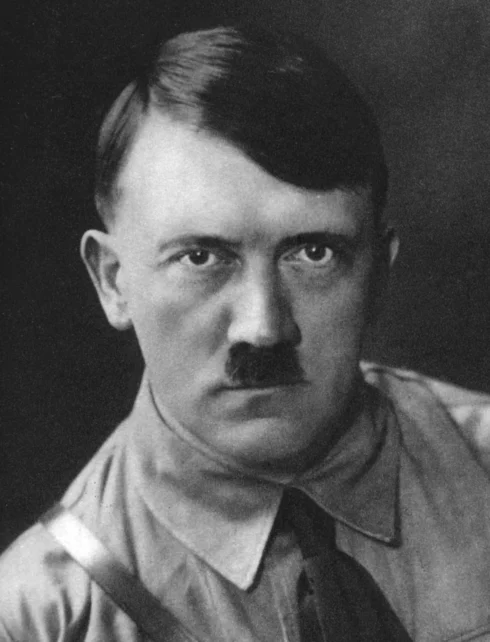
Eighty-nine years ago this week, Adolf Hitler asked himself exactly that question. The answer he came up with resulted in the annihilation of a Spanish town and changed the face of modern warfare forever.
READ MORE: ON THIS DAY: The death of Pablo Picasso – but is he Spain’s greatest ever artist?
To understand the sheer cynicism of the Condor Legion, we have to remember how new air power was in the 1930s. Its devastating possibilities were still largely theoretical.
Hitler’s generals told him that aircraft, combined with ground troops, were the future. Aircraft were blindingly fast compared to tanks, supposedly pin-point accurate, and could bypass the stalemate trenches of the First World War.
This new concept of “Blitzkrieg” promised to deliver overwhelming violence to a precise point so rapidly that the enemy would be broken before they even realised what was happening.
But the Nazis needed a testing ground. They needed real combat conditions.
When General Franco begged his fascist ‘friends’ for help to overthrow Spain’s elected government between 1936 and 1939, Hitler saw his opening.
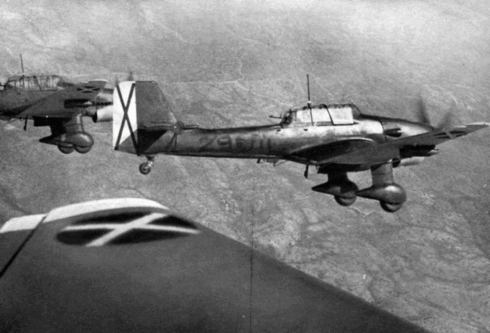
The Führer wasn’t motivated by loyalty to Franco, or even the crusade against Bolshevism. He simply wanted a live laboratory to see how his new planes performed against human targets.
Specifically, civilian targets.
Warfare was evolving. Generals in the 1930s had realised that bravery on the battlefield was no longer the deciding factor.
Wars were now won on the “home front”—by the factory workers making the tanks, bombs, and bullets.
If you could bomb an economy into the stone age, and slaughter or displace thousands of citizens, you would completely wreck the enemy’s society.
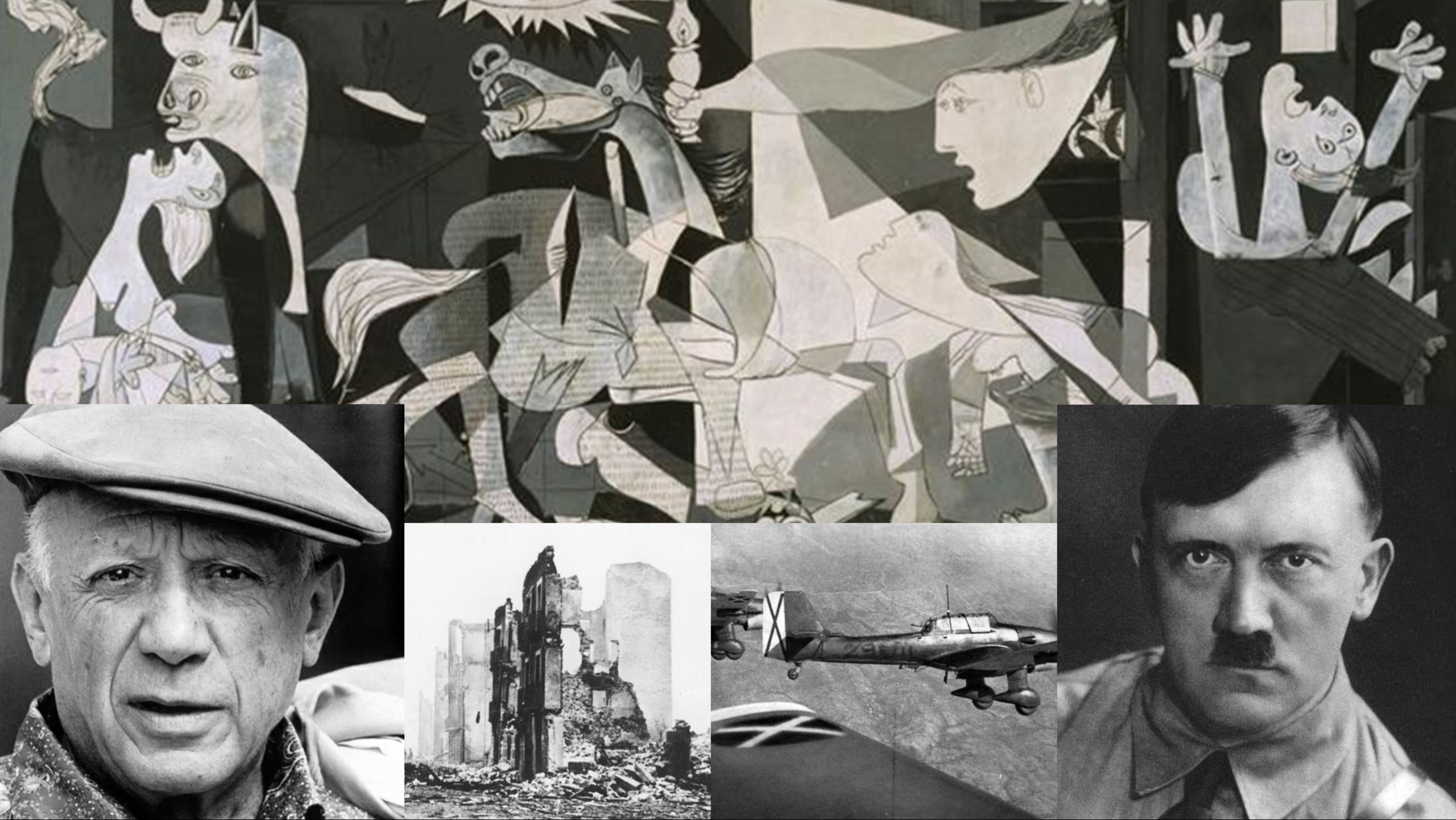
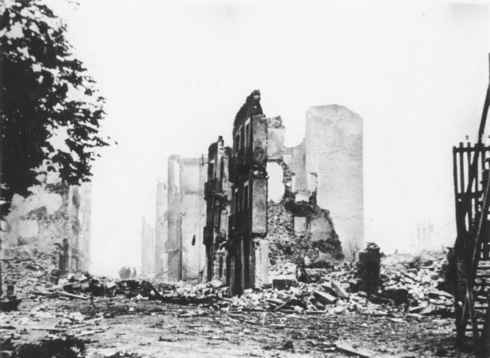
And so, on April 26, 1937, the German Condor Legion unleashed hell on a sleepy Basque town named Guernica.
It was an act of pure, calculated terror. Nazi warplanes dropped thousands of tonnes of high explosives and incendiaries on a community that had no military importance, was miles from the front line, and had absolutely no air defences.
The Germans deliberately chose a Monday: market day. Farm workers had flooded into Guernica on mules to sell their turnips and wine, swelling the local population threefold.
Furthermore, Guernica was the spiritual heart of Basque culture, the site of the sacred oak tree where local laws were made.
The fiercely independent Basques had thrown in their lot with the anti-Franco Republic to protect their freedom, making them the perfect targets for fascist punishment.
We will never know exactly how many men, women, and children died in the ensuing firestorm. Estimates vary wildly, but no one denies that hundreds of innocent lives were extinguished in the rubble.
It was a deliberate weapon of terror — a chilling dress rehearsal for the Blitz that London would endure just three years later.
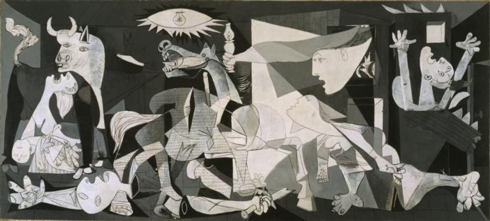
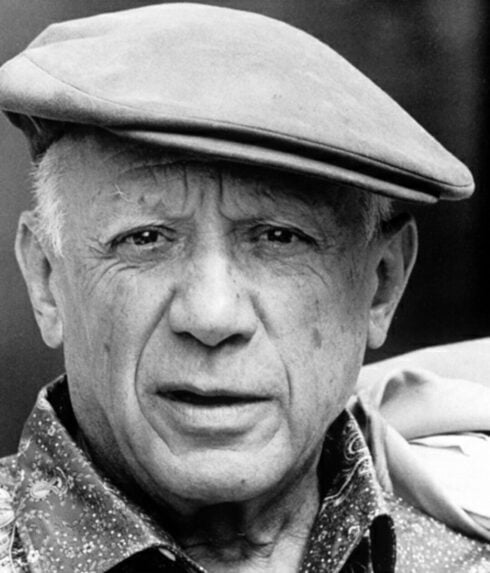
The international revulsion was instantaneous. Among the outraged was Pablo Picasso, then living in Paris.
Commissioned by the Spanish Republic to paint a mural, he channelled his fury into Guernica.
With its stark, monochromatic canvas of screaming women, dying animals, and dismembered bodies, he created the ultimate protest against the abuse of power.
After the Second World War, the civilised world collectively decided that attacking non-combatants was an unforgivable crime.
The Geneva Conventions enshrined into international law the basic principle that you do not drop bombs on schoolchildren, bus drivers, or farmers.
But tyrants do not care about international law. They only care about power.
Click here to read more La Cultura News from The Olive Press.