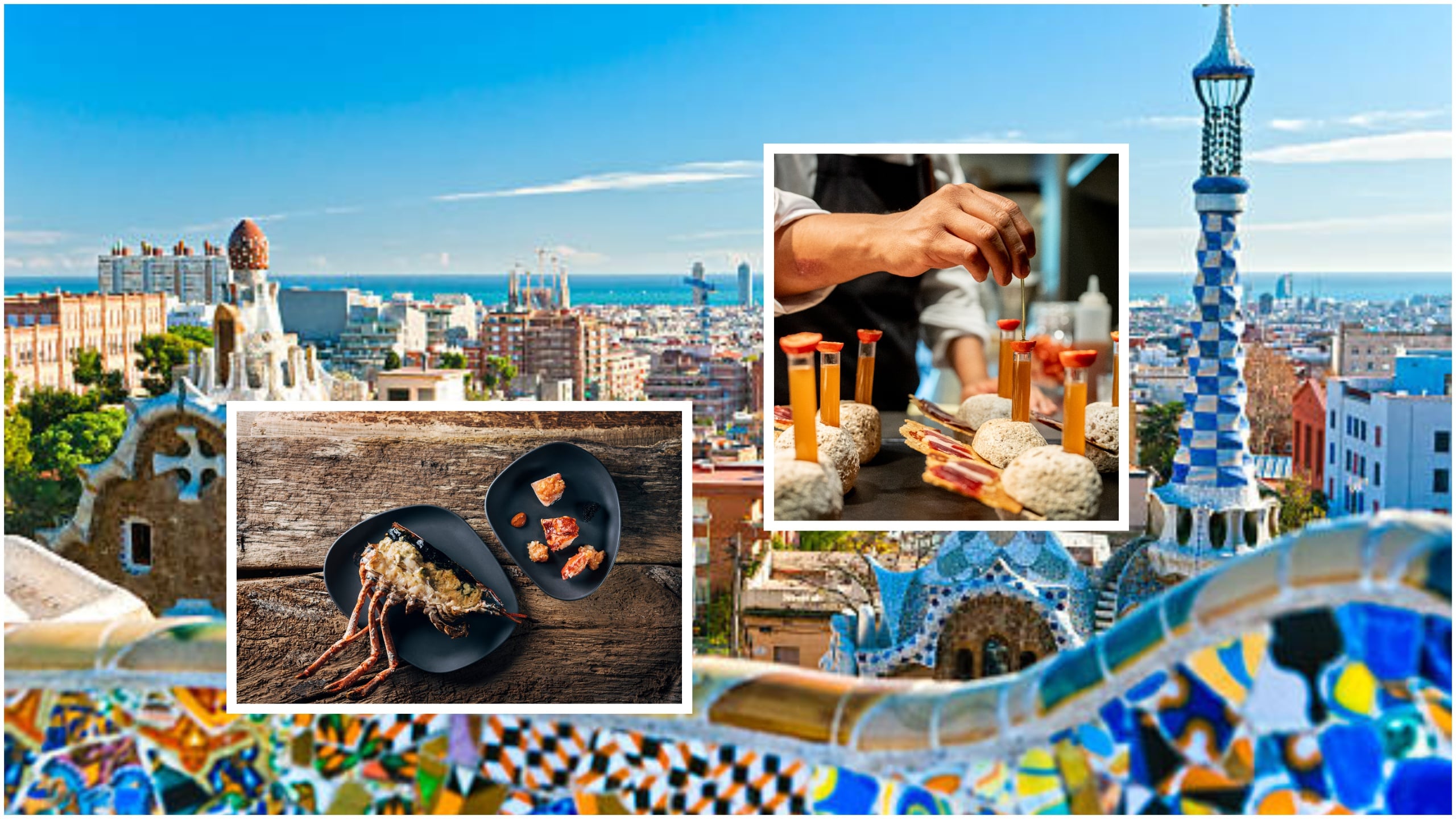
THEY are known for their hard work, stubbornness and cultural identity. But for tourists, the Catalans are known for their mighty fine food.
It is not for nothing that their two most popular phrases are linked to food. ‘Els Catalans de les pedres en fan pa’ (The Catalans make bread from stones) linked to resourcefulness, and ‘Hi han més dies que llonganises’ (There are more days than sausages) showing a patient approach to life.
They have turned the concept of filling one’s stomach into an artform… and it was in Catalunya where the real art of modern Spanish cooking was born: At El Bulli and El Cellar de Can Roca.
It was at these two celebrated Costa Brava joints that Spain was thrust on the modern stage of cuisine, some 30 years ago.
Perhaps doffing a hat to the region’s most famous artist, surrealist Salvador Dali, the pair turned cuisine on its head and created, quite literally, works of art in the kitchen.
Voted the World’s Best restaurant between them an incredible seven times, Ferran Adria was the undisputed emperor of dining for almost a decade at El Bulli, which was booked up all year in the first week it opened its diary.
Yet, without the influence of their colleagues across the border in the Basque Region, these amazing spots would not have existed.
For at the other end of the Pyrenees the Basques have been conjuring up the world’s best food for centuries.
Ask any Frenchman and they will begrudgingly admit that it was in the deep south west corner of their country and probably just over the border where modern cooking was born.
Indeed, it is in San Sebastian that the true Godfathers of Spanish cooking can be found.
It is here where Juan Mari Arzak and Pedro Subijana – now an extraordinary 50 years in the kitchen – founded their three-star temples of dining Arzak and Akelarre.
There are more Michelin stars per head in San Sebastian than in Paris, London or Tokyo and there are half a dozen world-class restaurants within an hour of here, as well, including the current World’s Number 2 best restaurant, Asador Etxebarri (World’s 50 Best list).
All that said, Spain’s top city when it comes to stars is certainly Barcelona, which has a remarkable four three-Michelin starred cathedrals of cuisine.
This year Catalunya beat the Pais Vasco, but only just.
Catalunya has 112 Repsol soles compared to 111 soles in the Basque region.
Meanwhile Catalunya has 40 Michelin stars compared with 36 stars in Pais Vasco.
Whether you prefer pintxos or crema catalana, here we highlight some of the top local spots.
CATALUNYA
Disfrutar
Named the World’s Best restaurant in 2024, Disfrutar is a Barcelona culinary institution boasting three soles and three stars.
At the helm of Disfrutar are chefs Eduard Xatruch, Oriol Castro and Mateu Casañas, all alumni of course at El Bulli, where they honed the inventive style that now defines their cuisine.
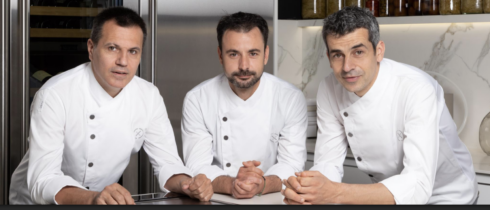
Diners can choose between two tasting menus: ‘Classic’, which features the restaurant’s signature dishes – including the famous multi-spherical pesto with smoked eel and pistachios – and ‘Festival’, highlighting the latest seasonal creations. Both menus feature 28 to 32 courses.
A selection of carefully curated wine pairings is also available, alongside inventive flavoured spirits, including varieties infused with wasabi and sea urchin.
El Celler de Can Roca
The Roca brothers opened El Celler de Can Roca in their native Girona in 1986.
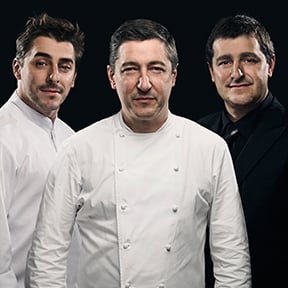
Joan takes charge of the savoury dishes, Jordi is tasked with desserts and Josep is the sommelier.
They describe themselves as an ‘equilateral triangle that encompasses the three sides of gastronomy’.
The dining experience begins with a series of appetisers which blend traditional flavours with bold innovation, and a deep respect for the Roca brothers’ Girona roots.
One of the restaurant’s signature dishes is The Olive Tree – green olive ice cream and black olive tempura served on a miniature olive tree.
The trio have transformed their passion into a craft defined by constant experimentation, creativity and a strong ecological commitment.
The exceptional quality of the cuisine easily explains the restaurant’s long waiting list.
El Celler de Can Roca has three soles and three stars.
Miramar
With panoramic views of the Mediterranean, Huelva-born Paco Perez’s Miramar on Llanca’s beachfront promenade pays homage to the fruits of the sea.
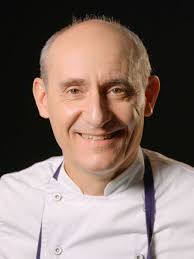
His wife and the restaurant’s maitre d’, Montse Serra, has played a pivotal role in his culinary career.
Established in 1939 as a hotel run by Serra’s parents and grandparents, Miramar continues the family legacy.
Today Miramar is a must-visit for Mediterranean haute cuisine, featuring a handful of guest suites and an artisanal food shop selling fresh sourdough, pastries and jams.
Through two tasting menus and an a la carte menu, Perez presents his ‘sea and mountains’ concept, celebrating the ingredients Mar d’Amunt where the Pyrenees meet the Mediterranean.
His menus highlight local treasures from just offshore, including sea urchin and seaweed.Miramar has three Repsol soles and two Michelin stars.
Can Jubany
Set in a farmhouse with its own vegetable garden, the Calldetenes restaurant run by Nandu Jubany and his wife, Anna Orte, blends Catalan tradition with avant-garde flair, guided by the finest local produce.
Jubany’s dishes are crafted from the finest Catalan ingredients, offered both a la carte and on three inventive tasting menus: ‘A Journey through Catalunya’, ‘The Great Can Jubany Feast’ and ‘The Great Truffle Menu’.
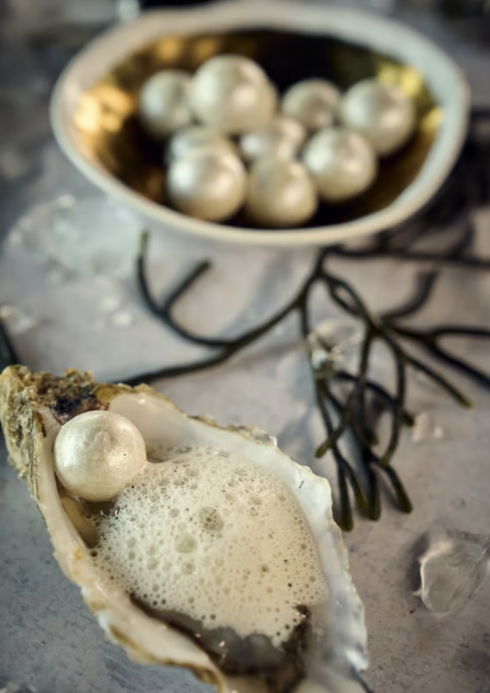
Among the most memorable dishes are dry rice with sea cucumber and crayfish broth and partridge soup with meatballs and truffle.
Boasting three Repsol soles and one Michelin star, Can Jubany is a standout in Catalan cuisine.
ABaC
A boutique hotel at the foot of Barcelona’s emblematic Tibidabo mountain, is the home of Catalunya-native Jordi Cruz’s ABaC.
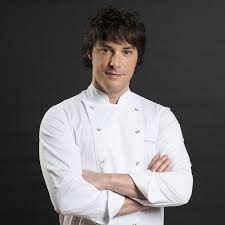
Dedicated to ‘dishes that tell stories’, Cruz’s 20-course tasting menu draws on personal memories, from walks in the mountains to moments from his childhood.
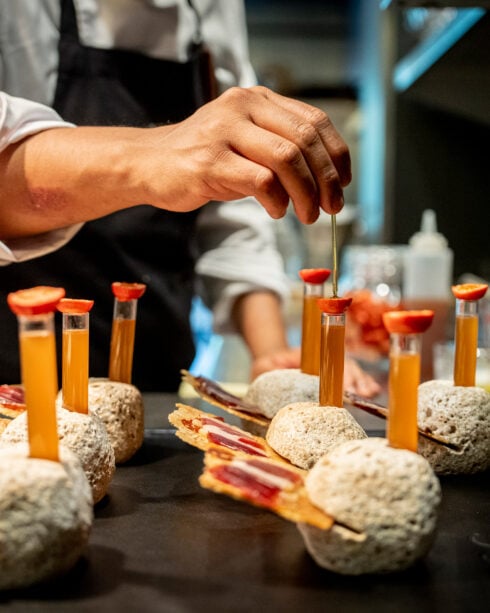
The current menu offers an inventive fusion of Iberian and Japanese flavours, with the Japanese wagyu among the highlights.
Signature ingredients such as caviar, yuzu and squid, define Cruz’s unmistakable culinary universe.
ABaC has three Repsol soles and three Michelin stars.
Les Cols
Les Cols in Olot is one of Catalunya’s most distinctive fine-dining destinations, holding three Repsol soles, two Michelin stars and a Michelin Green Star for its commitment to sustainability.
Set in a restored rural farmhouse and surrounded by a 4km organic garden, the restaurant blends traditional architecture with striking contemporary design.
Head chef Fina Puigdevall’s cuisine is rooted in seasonality, sustainability and local produce, often described as ‘food that hasn’t travelled.’
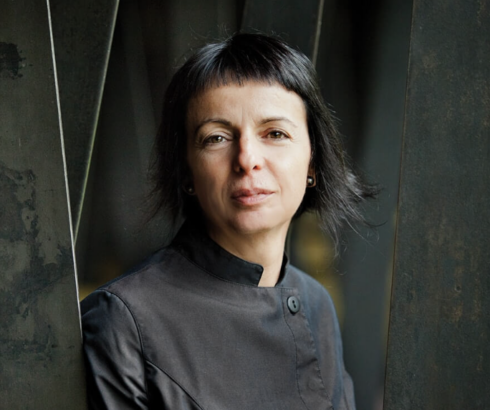
Many ingredients come from the restaurant’s own garden and the surrounding volcanic landscape of La Garrotxa, including the famed beans from Santa Pau.
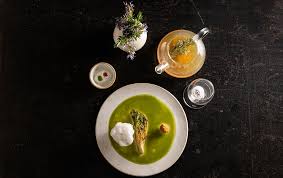
The experience centres on a single tasting menu, typically beginning with aperitifs in the garden before unfolding through a series of highly seasonal dishes inspired by the region.
Puigdevall runs the restaurant alongside her three daughters – one leading the kitchen, another pastry and another front of house – making Les Cols a truly multi-generational family project.
PAIS VASCO
Akelarre
Perched on Mount Igueldo, Akelarre offers spectacular views over the Bay of Biscay, combining high-end gastronomy with a striking coastal setting.
Led by renowned chef Pedro Subijana, a pioneer of the New Basque Cuisine movement, the restaurant blends cutting-edge culinary techniques with deep-rooted Basque traditions.
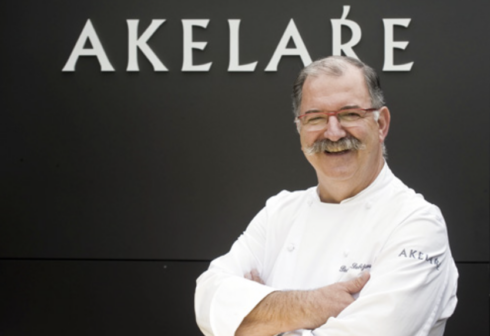
San Sebastian local Subijana took over as head chef at Akelarre in 1975, five years after it opened its doors and quickly cemented his status as one of Spain’s top chefs.
Awarded its first Michelin star in 1978 and a second in 1982, the restaurant reached the pinnacle of culinary recognition with a third star in 2007 – an honour it has retained ever since.
Akelarre offers two tasting menus, allowing diners to mix and match dishes from both to create a personalised dining experience
The restaurant forms part of a luxury hotel complex, where another restaurant Espazio Oteiza offers a more relaxed a la carte menu including classics like jamon croquettes.
Nerua Guggenheim Bilbao
Bilbao’s striking Guggenheim Museum is home to Josean Alija’s Nerua which serves the very best of Basque cuisine in an unforgettable setting.
The restaurant’s philosophy centres on reinterpreting traditional Basque flavours through a contemporary lens, with a strong emphasis on seasonality and vegetable-focused dishes.
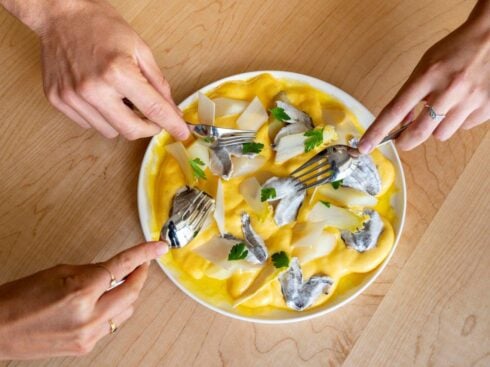
Alija changes the menu three times each year to reflect the changing of the seasons and diners choose between an a la carte menu and an eight-course tasting menu.
Standout dishes include the spinach stewed with coconut and caviar and suckling lamb with celeriac and sherry.
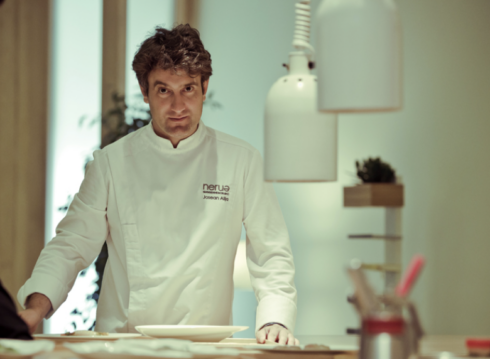
Alija’s food is certainly worthy of its museum setting.
Elkano
Founded in 1964 as Bar Elkano by Pedro Arregui, the restaurant’s current head chef, Aitor Arregi, his son, has expanded the family legacy, turning the humble grill into a hallmark of Basque cuisine.
Aitori was born in Getaria in 1971 and grew up fully immersed in the family business.
He has fond memories of his father Pedro at the grill, his mother Mari Jose managing the dining room, and his grandmother Joxepa working tirelessly in the kitchen.
After spending ten years as a professional footballer, Aitor returned to Getaria in 2002 to learn the craft from his father.
He led Elkano to its first Michelin star in 2014, an accolade it has retained every year since, and in 2021 the restaurant was awarded three Repsol Soles, which it also continues to hold.
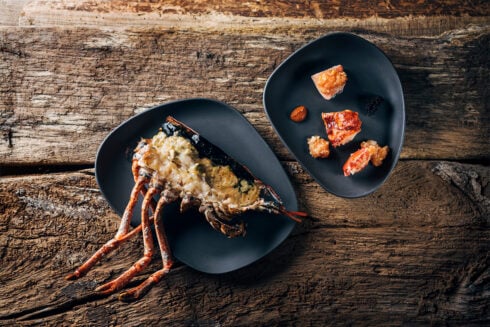
Elkano prioritises simplicity and the freshest seafood, sourced daily from local fishermen in the Bay of Biscay.
Their signature dish is a whole turbot, grilled over open flames.
Aitor also runs the restaurant Cataria in Chiclana de la Frontera, bringing the same Basque grilling philosophy to the fresh seafood of southern Spain.
Asador Etxebarri
Self taught chef Bittor Arginzoniz, is another culinary star who has mastered the secrets of fire to deliver the best of Basque cuisine.
Etxebarri – voted at second place in 2025’s 50 Best Restaurant list – is located in his home village of Axpe, at the foot of Mount Anboto, housed in a beautifully restored 18th century country estate.
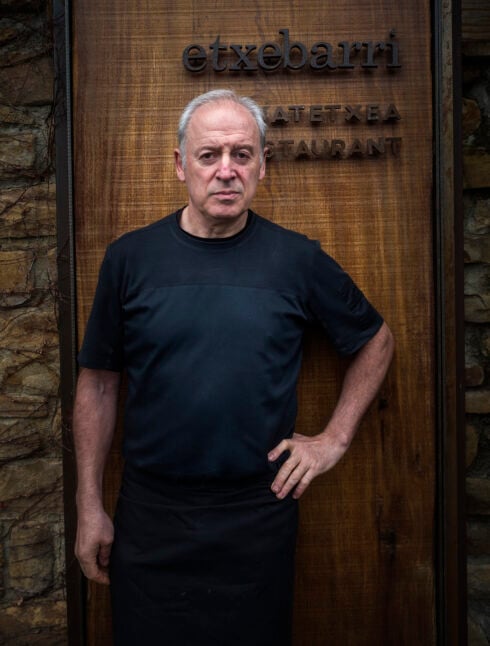
Arginzoniz uses locally sourced ingredients and a variety of woods – such as holm oak and vine shoots – to enhance natural flavours with smoke and fire, often using custom designed grills and tools he creates himself.
Diners choose between a la carte and tasting menus. Etxebarri holds three Repsol soles yet only one Michelin star (you’ll have to ask the French!).
Standout dishes include fresh buffalo mozzarella which is made by hand every morning before being smoked gently and whole grilled local prawns.
Mugaritz
Nestled on a rural hillside in Errenteria, amid forests and farmhouses, Mugaritz opened its doors in March 1998 under the direction of chef Andoni Luis Aduriz.
The restaurant prides itself on pushing the boundaries of gastronomy and Aduriz’s cuisine embodies this creative and innovative philosophy.
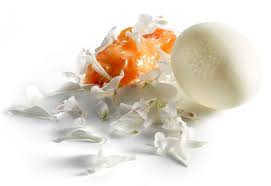
His famous dishes include ‘Edible Stones’, baby potatoes boiled and coated in kaolin clay to resemble white stones and served with alioli, and cold-treated apple, a raw apple transformed with enzymes into a delicate, ice cream-like texture. Mugaritz holds three Repsol soles and two Michelin stars.
Martin Berasategui
Located in Lasarte-Oria on the outskirts of San Sebastian, Martin Berasategui’s eponymous restaurant has earned its reputation as one of the premier institutions in Spanish gastronomy.
Trained by prestigious French chefs, Berasategui returned to his native San Sebastian to open the restaurant in 1993.
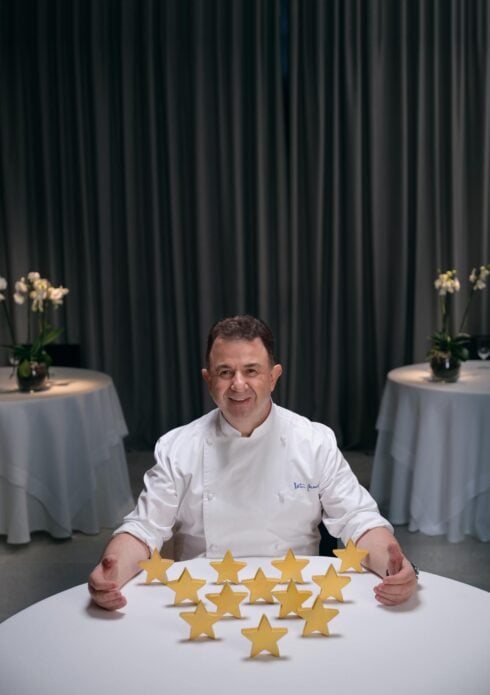
Just six months after opening, he earned his first Michelin star; three years later he received a second, and in the 2002 Guide he was awarded the highest distinction of the renowned guide: three stars.
Defined by his trademark motto ‘garrote’ (basque for energy and tenacity), Berasategui’s tireless work ethic and relentless technical innovation has made him a great of Basque cuisine.
Unforgettable dishes include the Iberian pork brioche and mille feuille of smoked eel, foie gras, and green apple which has been a staple on the menu since its 1993 opening.
Arzak
Arzak’s story began in 1897, when Juan Mari Arzak’s grandparents opened a taverna which served traditional Basque stews to hungry locals.
In 1966, Juan Mari took the reins alongside his mother, building on this homegrown foundation to become a leading figure in New Basque Cuisine.
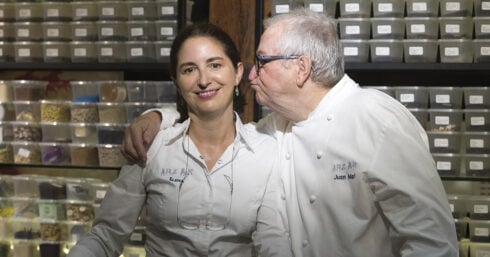
Today, the legacy continues through a new generation with head chef Elena Arzak.
Arzak’s cuisine is rooted in innovation and experimentation with the kitchen seen as a ‘laboratory’ where flavors and textures are constantly explored and reinvented.
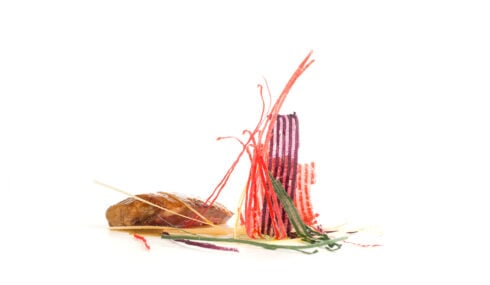
Tasting and a la carte menus at Arzak are constantly refreshed, reflecting this innovation and creativity.
Boasting three Michelin stars, three Repsol soles, and over a century of culinary tradition, Arzak stands as a cathedral of Basque cuisine.
Azurmendi
Eneko Atxa’s Azurmendi, widely recognised as one of the world’s most sustainable restaurants, showcases the finest Basque gastronomy while putting the environment at the heart of its mission.
With three Michelin stars, three Repsol soles and a Michelin Green star, Azurmendi combines environmental consciousness with the very best of Basque gastronomy.
Built in 2010 using local and recycled materials, the restaurant is powered by solar panels, and rainwater is collected to meet all its irrigation needs.
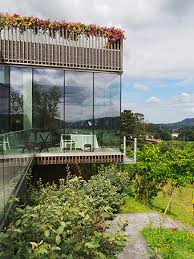
With its own greenhouse and vegetable garden cultivating native Basque species, and by working closely with local producers, the restaurant ensures that sustainability and local produce are central to every dish.
Atxa’s two tasting menus take diners on a journey through the restaurant and its sustainable ethos.
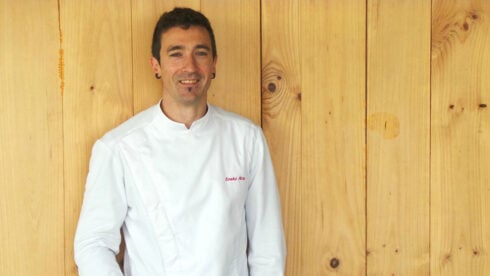
The experience begins with a ‘Welcome Picnic’ in the greenhouse, continues with a tour of the kitchen, and concludes with the final courses overlooking the orchard – offering diners a unique insight into where their food comes from.
Standout dishes on Azurmendi’s current menus include brioche with tuna and piparra peppers and a chocolate-covered partridge.
Click here to read more Food & Drink News from The Olive Press.