HUNDREDS of patients were wrongly told they may have colon cancer following a string of false positives in a Costa del Sol screening programme.
The Andalucian Health Service (SAS) said around 400 tests would have to be repeated after a technical issue resulted in a ‘higher-than-expected number’ of positive results, official sources confirmed to Malaga Hoy.
The mistake means affected patients are currently no closer to knowing whether they have colon cancer, with Andalucia’s Health Ministry now scrambling to repeat the tests and determine which results were genuine.
According to reports, staff at Malaga’s Clinical Hospital first detected the anomaly after noticing an ‘unusually high’ number of positive test results.
The screening programme, part of Andalucia’s early detection strategy for colorectal cancer, targets men and women aged between 50 and 69.
Participants are invited periodically to take part in the voluntary scheme, which aims to identify signs of the disease before symptoms appear, improving the chances of successful treatment.
One Costa del Sol woman told Malaga Hoy the problems appeared to begin even before the results were issued.
She said the invitation letter she received from the Andalucian Health Service contained another patient’s personal details printed on the reverse side.
Despite her concerns, the woman completed the test and later received a letter informing her that the result was positive.
READ MORE: Spain rolls out free condoms for youngsters as officials push to make protection the norm
She was subsequently contacted by a nurse and referred for a colonoscopy scheduled for the end of July.
The experience caused significant anxiety, she said, particularly after receiving a call from the Epidemiology Service less than a day after opening the letter.
She also questioned whether other patients may have received correspondence containing personal information that was not their own.
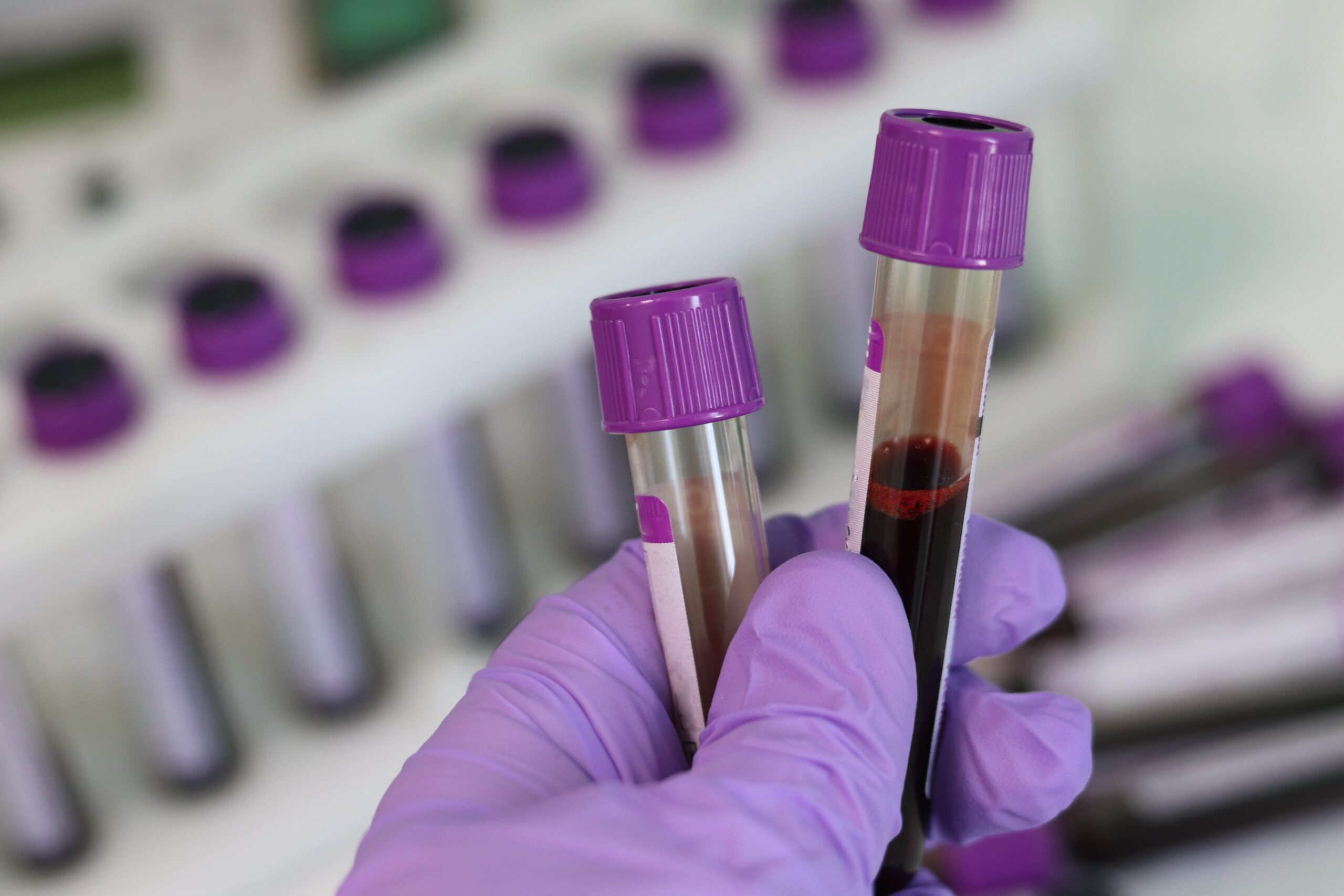
The test administered to the affected patients was a faecal occult blood test (FOBT), which looks for tiny traces of blood in a stool sample that are not visible to the naked eye.
While a positive result can be an early warning sign of bowel cancer, it can also be caused by a range of other conditions and does not, on its own, amount to a diagnosis.
Patients with positive results are normally referred for further investigations, such as a colonoscopy.
Click here to read more Health News from The Olive Press.