ARCHEOLOGISTS have discovered the remains of an ancient Roman shipwreck and a pioneering British steamship of the age during a major archeological investigation on the Cadiz coast.
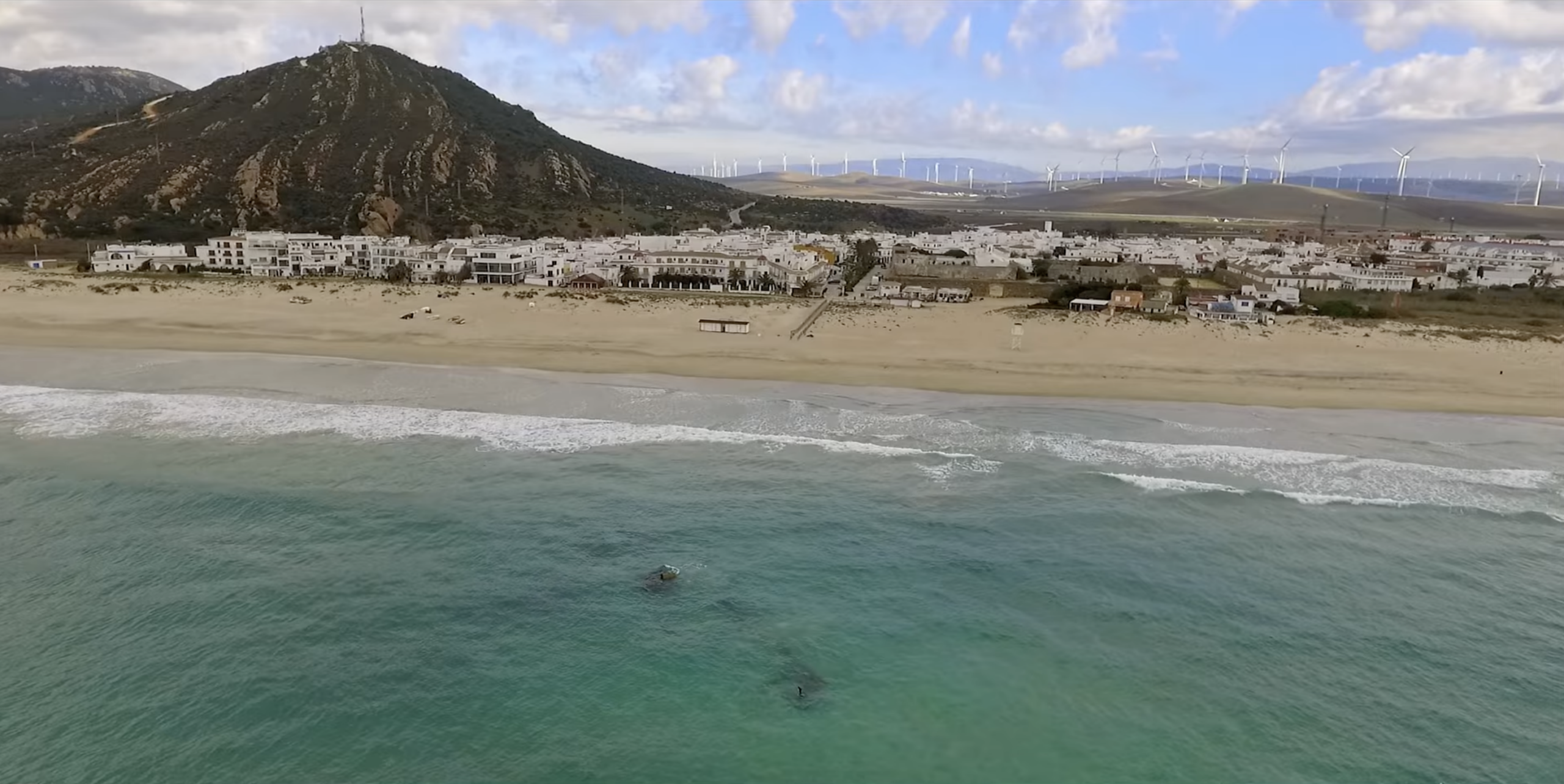
One of the most exciting finds were fragments of ancient clay thought to date back thousands of years were unearthed over a 24-metre stretch in the waters of La Caleta beach, Cadiz.
An analysis reveals this was likely a Roman ship which sank after striking the San Sebastián reef around 2,000 years ago.
From these clues the team of experts from Centre for Underwater Archaeology (CAS) have been able to piece together that the ship was likely used to transport oil and salted fish, two important products traded throughout the Roman Empire.
The finding is consistent with the region’s known history, which was a hub for trade and the fishing industry in the first century AD.
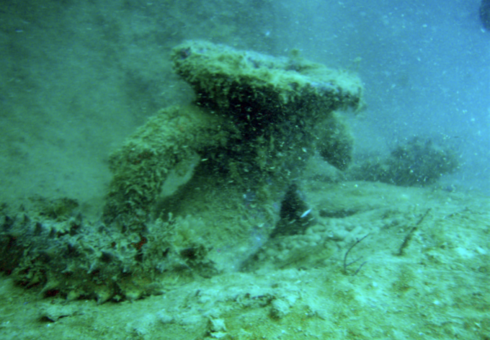
Archeologists have also discovered remains of two British vessels, both dating back to the 19th century during Britain’s imperial pomp.
In Barbate and Zahara de los Atunes, remains were found of the British steamship Gladiator, which sank in 1893 after colliding with rocky shoals.
The vessel was enroute from Liverpool to Gibraltar, carrying 600 boxes of sugar.

Researchers also studied remains of another shipwreck which they believe could be the Jeanie, a British vessel lost in 1881.
The vessel was believed to have sunk in the North Atlantic, becoming waterlogged transporting timber from Hull, England to Quebec, Canada.
These findings form part of a larger ‘Vestigium’ project, which aims to use archaeological and paleobiological research methods to better understand the history of the Cadiz coastline.

Alongside these discoveries, the project has focused strongly on public engagement, with guided tours, workshops and accessible educational resources designed to bring the region’s coastal heritage closer to local communities and visitors.
The Instituto Andaluz del Patrimonio Historico (IAPH) has released a documentary showcasing the discoveries and research behind the project, available to watch here:
Click here to read more Spain News from The Olive Press.