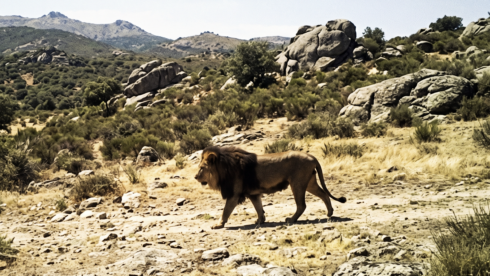
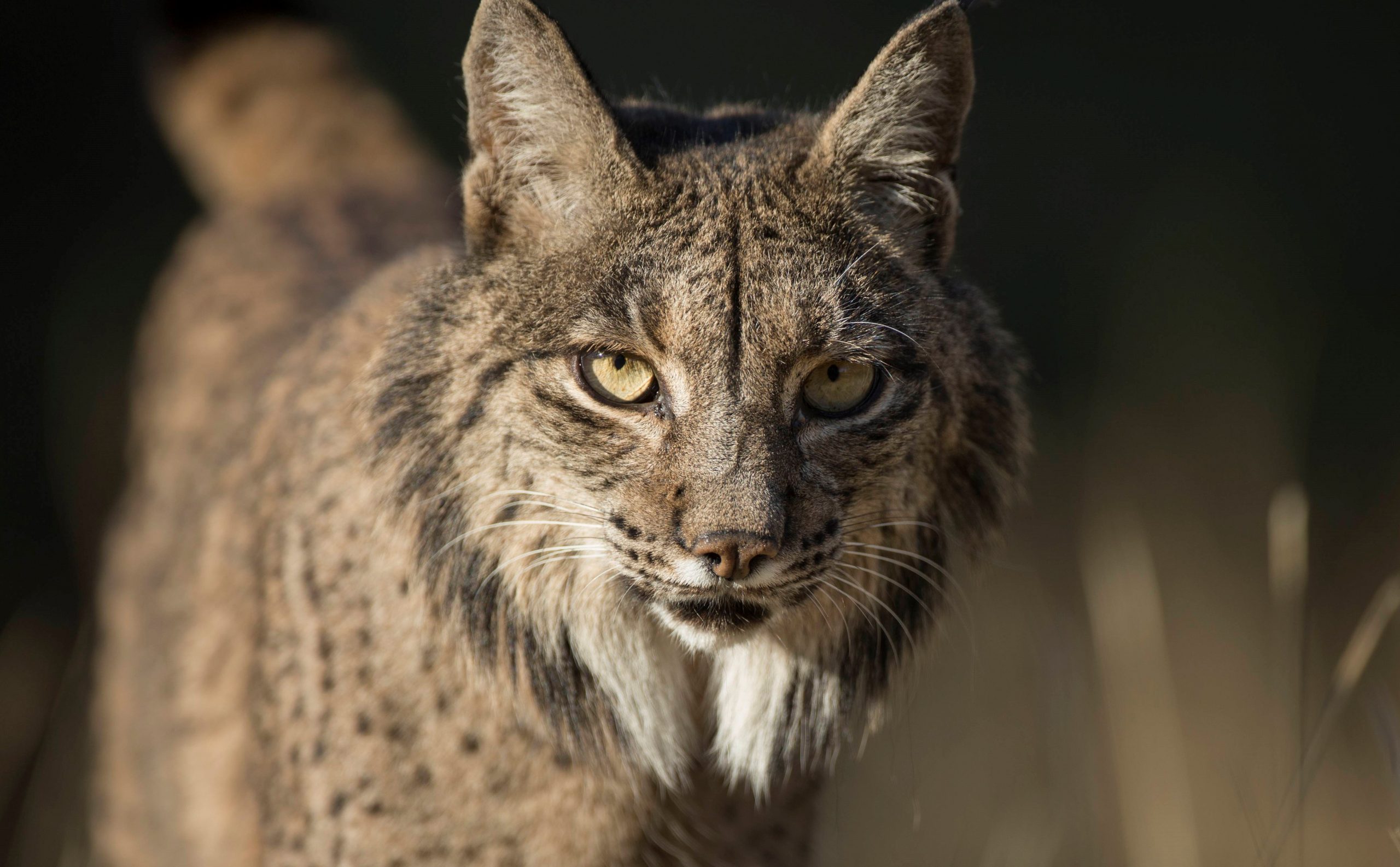
A REMOTE camera has recorded the first sighting of an Iberian Lynx for over a century in Spain’s Basque Country.
A photo trap unit set up by a farmer in Campezo in the Alava municipality caught the surprise image in December with the Hontza Natura Elkartea association confirming that it was an Iberian Lynx.
It’s the first time the species has been spotted in the Alava area since the start of the last century.
READ MORE:
- Joy as four more Iberian lynx cubs are born in the wild as comeback of Spain’s rarest big cat continues
- WATCH: First Iberian lynx cubs to be born in the wild in northern Spain for several decades as reintroduction project claims massive early success
- WATCH: Amateur wildlife photographer captures first-ever images of white Iberian Lynx in Spain
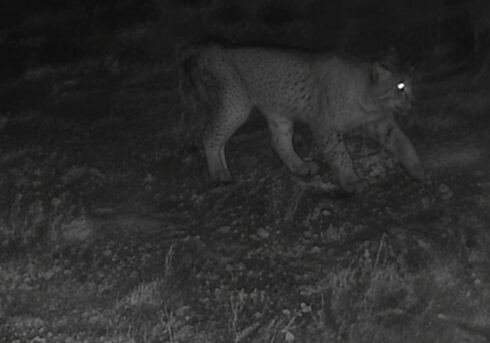
An association statement said: “A farmer placed a camera trap to capture the visits he had on his land and managed to photograph all kinds of wild animals but he hardly expected to get a shot of a lynx”.
The lynx had a radio transmitter collar and came from the south of the Iberian Peninsula, with it almost certainly being a reintroduced specimen.
It is common for lynxes to cover great distances of over 25 kilometres in a single day.
“The Lynx population is enjoying a historic moment of recovery thanks to captive breeding and reintroduction programmes,” the Hontza association continued.
The Iberian lynx population in Spain has reached record highs in recent years, with 2,269 specimens registered.
Over 25 years ago, it faced a serious threat of extinction but thanks to successful conservation initiatives, the programme in Spain is regarded as one of the most successful wildlife recovery stories in the world.
There are no reintroduction projects in the Basque Country, the Hontza association pointed out, but some such as those in Aragon, are producing good results and recent releases are allowing the lynx population to expand through the Ebro valley.
“The Iberian lynx has an extremely specialized diet with almost 90% of it depending exclusively on rabbits,” the association said.
“This dependence is so high that declines in rabbit populations have in the past threatened their extinction.”
Click here to read more Basque Country News from The Olive Press.