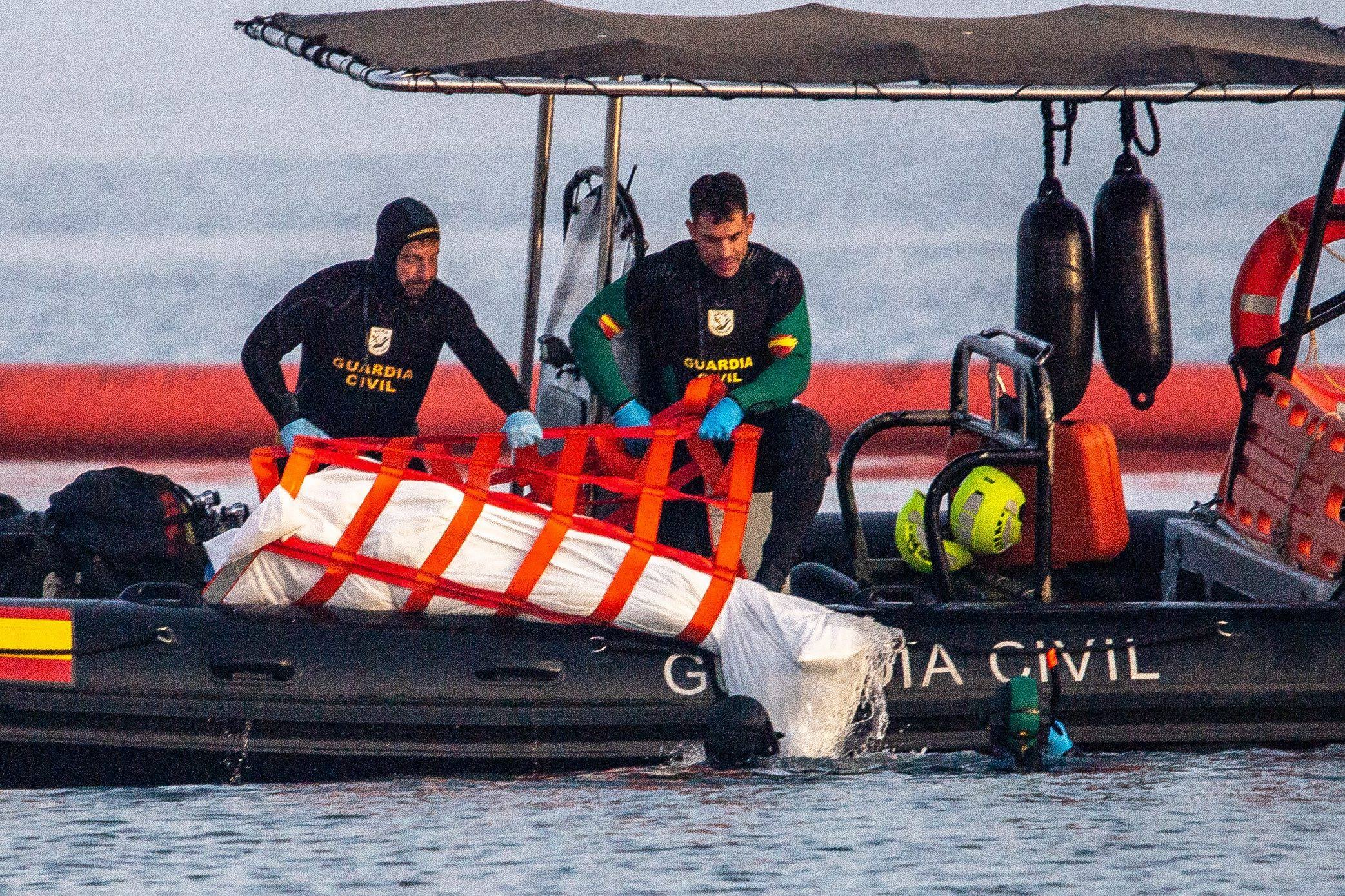
THE death toll from Ceuta’s migrant tragedy has climbed to 141 after 63 bodies were recovered in Moroccan waters on Tuesday.
The count of bodies recovered came from Caminando Fronteras, a migrant-rights NGO that tracks crossing deaths by monitoring hospital morgues across northern Morocco.
Meanwhile, Spanish officials have confirmed to broadcaster Cadena SER that 78 bodies have now been recovered in Spanish waters after a further three fatalities were added to the tally on Tuesday.
Combined, the two figures put the confirmed death toll at 141.
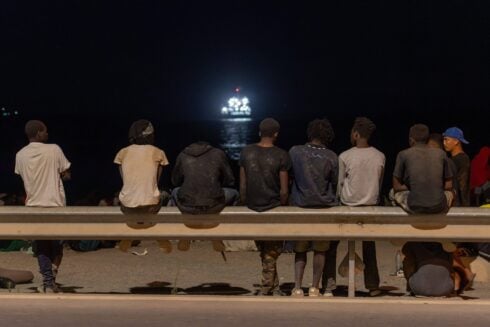
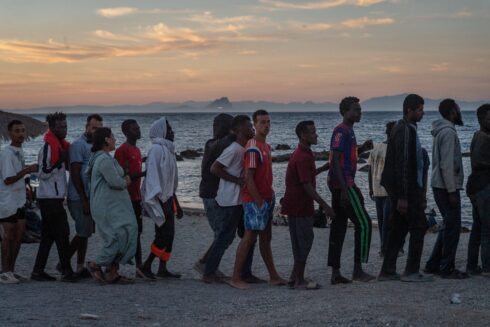
The grim numbers come after tens of thousands of people forced their way across the Tarajal border crossing between Ceuta, Spain’s North African and Morocco last week.
The bodies recovered on the Moroccan side are being held in morgues at four hospitals in Tetouan, Tangier, Fnideq — the Moroccan border town that sits directly opposite Ceuta — and Rincon (M’diq), all in the north of the country.
Most of the dead are young men aged between 20 and 30, the majority Moroccan nationals, though the toll also includes sub-Saharan Africans, a small number of women and very few children, with the age of many bodies still to be formally confirmed.
For the first time, Spanish authorities have classified the deaths under the same ‘multiple victims’ protocol used for mass-casualty disasters such as train or plane crashes.
Helena Maleno, spokeswoman for Caminando Fronteras, had called for that classification on Sunday, saying it was essential to speed up identifying the dead.
“There are many families out there desperately searching for their loved ones,” she said.
Interior Minister Fernando Grande-Marlaska said on Tuesday that the number of people who had entered Ceuta since the crisis began had been revised upwards to 72,000, of whom 70,000 have already left Spanish territory.
He said Spain’s response had not put the Schengen zone at risk, adding that EU counterparts had praised Spain’s ‘extraordinary work’ and ‘effective response’.
READ MORE: Trump turns Ceuta migrant crisis into campaign rallying cry ahead of crucial November midterms
EU Migration Commissioner Magnus Brunner said on Tuesday that external actors had been behind the crisis and described Morocco as a reliable partner.
Brunner also criticised Spain’s use of regularisation, the process of granting undocumented migrants legal residency status.
“Mass regularisation of migrants is not good for any other European country, but I don’t think it has anything to do with the Ceuta crisis,” he said.
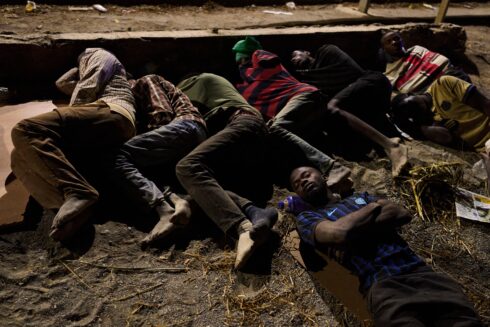
On Ceuta’s streets, children who crossed from Morocco are sleeping on blankets, with little access to water and no certainty over whether they will be sent back.
One girl, speaking to local media, said: “There are no opportunities for us in Morocco.”
Some girls said they were receiving no support at all, and did not know if they would be allowed to remain in Spain.
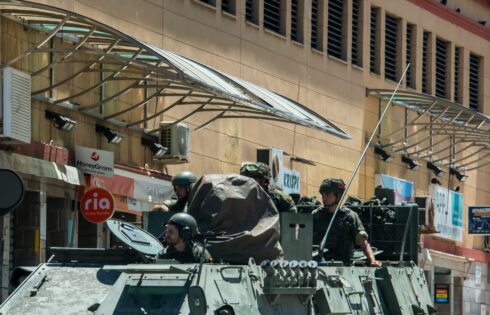
Ceuta’s minors department warned the Spanish government on Monday that the situation at the border was changing radically.
Spain’s children’s minister, Sira Rego, has since asked for school buildings to be used during the summer holidays to urgently shelter more than 100 migrant girls, with two schools in Ceuta opened for that purpose.
The crisis began on Wednesday, July 29, when hundreds of migrants started crossing the border, escalating the next day when thousands more followed.
That Thursday, July 30, is now referred to locally as ’30-J’ — Spanish shorthand for the date the crossings peaked.
Click here to read more Spain News from The Olive Press.