
SPANISH police takedowns of international drug trafficking organisations are so frequent that it’s a wonder there are any more to dismantle.
Yet like a many-headed hydra, the global drug trafficking business is driven by insatiable demand that is enough to lure a constant stream of deprived young men and the ambitiously unscrupulous to fill every vacuum left by the latest arrests.
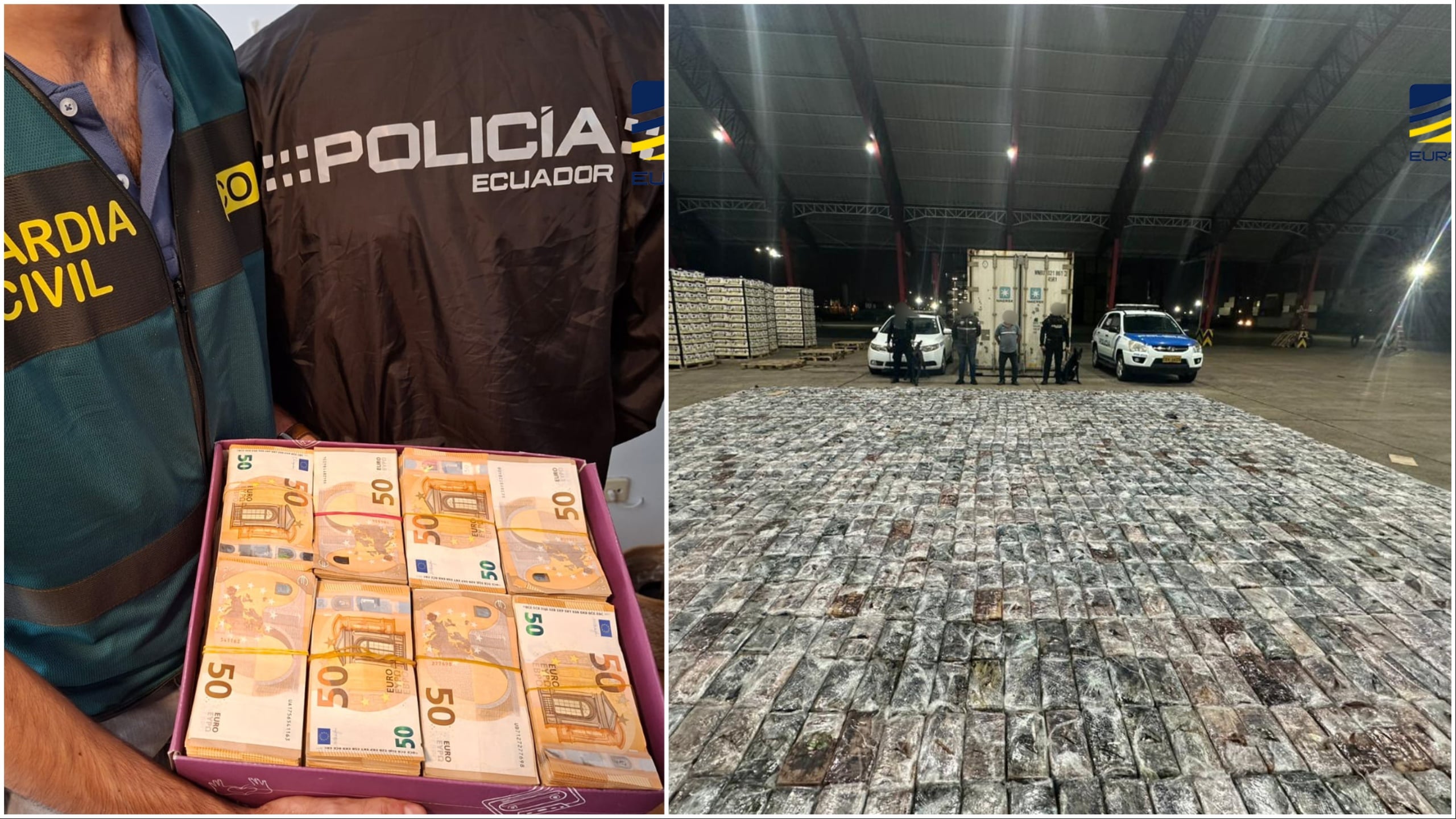
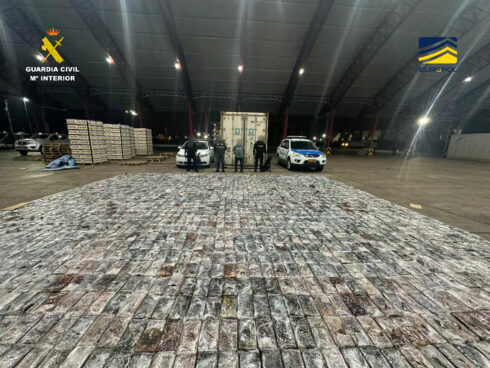
The latest bust involves a cocaine trafficking network spanning Spain, Ecuador and Dubai, which has been dismantled after a two-year investigation, with over 21 tonnes of the drug seized and dozens of arrests made.
The operation, codenamed Mondragón, was carried out by the Guardia Civil in coordination with Ecuador’s Policía Nacional, and Europol overseeing the international handoffs.
Investigators say the network built a working three-country structure, each branch handling a different part of the pipeline.
The Spanish end
The organisational core was based in La Rioja, made up of Spanish and Moroccan nationals.
Their job was to build a web of import companies with the outward appearance of legitimate trade.
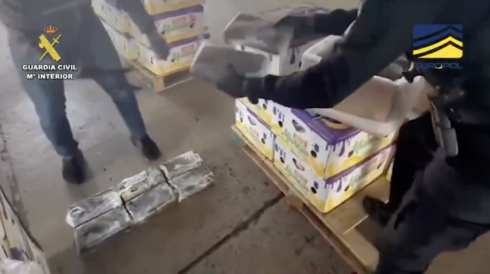
These businesses were used to bring containers of South American goods into Spain, giving the operation legal cover while cocaine was hidden inside a portion of the shipments.
The containers arrived through Spain’s three biggest commercial ports for South American cargo: Malaga and Valencia among them.
The principal point of entry, however, was the Port of Algeciras in the Bay of Gibraltar, long a key weakness in Spain’s border controls.
As a Guardia Civil officer told the Olive Press this week, these were different points of entrance whose workers were paid to ‘turn a blind eye’, while the core cities of the operation remain those where the arrests took place.
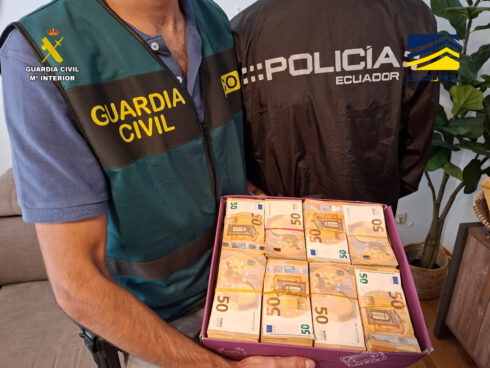
Raids in Arnedo, La Rioja, in August, uncovered close to a million euros in cash, along with numerous frozen properties, vehicles and financial products.
Two men and a woman were arrested there and later remanded in custody, according to local reporting.
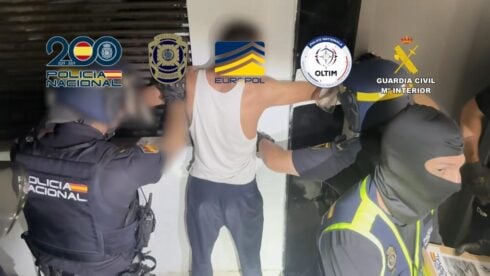
In total, Spanish police carried out searches and arrests across La Rioja, Alicante, Sevilla and Cádiz, detaining eight people.
The Ecuadorian pipeline
The second branch operated out of Ecuador, mainly through the port of Guayaquil.
There, operatives controlled what investigators describe as the ‘contamination’ of containers — loading them with cocaine before they were shipped onward.
This phase of the investigation was executed first, in March 2025, when Guardia Civil UCO officers working alongside Ecuadorian police carried out 50 raids and detained 36 people.
It is the latest in a string of similar busts out of Guayaquil.
Ecuadorian authorities estimate up to 70% of the cocaine leaving the country for the United States and Europe passes through its ports by sea — with Guayaquil, Ecuador’s largest port, as the primary route.
In May 2025, a separate operation — Gran Fénix — dismantled a network smuggling cocaine to Spain hidden in dragonfruit shipments, implicating three active-duty Ecuadorian police officers and associates of jailed gang leader Julio Martínez Alcívar, known as Negro Tulio.
Authorities have not said whether that case and Operación Mondragón are connected.
The Dubai money
The third branch, according to Guardia Civil, sat in Dubai.
Investors of Albanian origin funnelled large sums of money into the Spanish front companies from there.
The cash served two purposes: keeping the businesses looking active, and effectively paying for the periodic shipments of cocaine hidden inside otherwise legal cargo.
The result
Between the Ecuadorian and Spanish phases, more than 40 people were arrested across the two countries.
Guardia Civil say the case highlights the continued pressure on major Spanish ports as entry points for South American cocaine, with three separate seizures throughout 2024 in Brazil, Ecuador and Spain totalling the 21-tonne haul before the network was fully dismantled.
Click here to read more Crime & Law News from The Olive Press.