
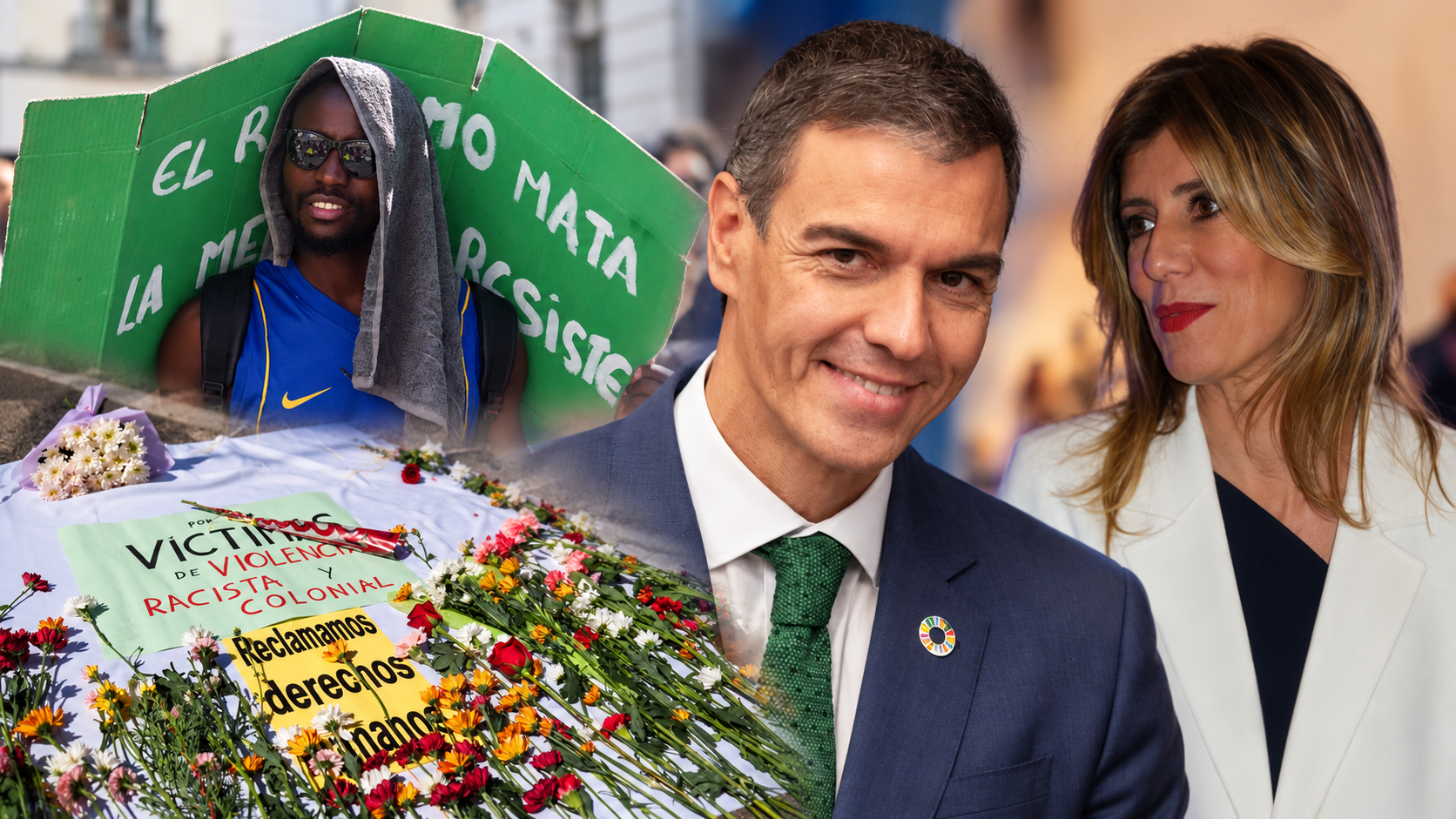
PEDRO Sanchez travelled to New York this week to address world leaders and show off about Spain’s economic growth and fight against inequality – but questions about his government’s handling of Ceuta and the court cases involving his family followed him across the Atlantic.
In an interview with CNN’s Christiane Amanpour, the Spanish prime minister was challenged over how tens of thousands of migrants had crossed from Morocco into Ceuta in late July.
“What did you guys do wrong?” she asked.
Amanpour pointed to recently declassified documents, questioning whether the government had received warnings before the crossings.
Sanchez rejected the suggestion that ministers had known what was coming and failed to act.
He said the documents contained no clear evidence that an event of that scale would happen.
Instead, he pointed to Morocco’s failure to control its border.
“We have asked Morocco for answers and actions, he said. “It is clear that its border control failed.”
READ MORE: ‘Questions to answer’: Pedro Sanchez finally points finger of blame at Morocco for Ceuta crisis
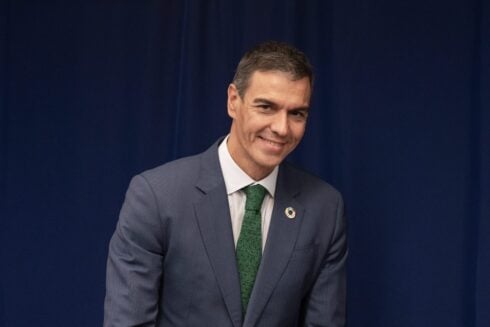
It was the first time Sanchez had blamed Morocco for the crisis and avoiding responsibility.
The exchange highlighted and amplified the main question hanging over the government: whether it could have done more to prepare for the crisis.
Sanchez also criticised European governments for failing to show sufficient solidarity.
Ceuta and Melilla, he argued, are Spanish cities in Africa and part of the European Union’s external border.
But Amanpour pressed him on the political consequences, pointing to gains by the far right elsewhere in Europe and asking whether migration could threaten his government too.
Sanchez acknowledged that the far right draws support from public anxieties, but argued that progressive governments could win by improving wages, employment rights and living standards.
He later denied changing his position towards Morocco, praising its work to prevent further crossings.
Morocco’s foreign minister, Nasser Bourita, meanwhile, said Spain should explain why migrants had not yet returned, insisting his country was willing to receive them.
Promises of dignity face the reality in Ceuta
At the UN, Sanchez promised that Spain would manage the crisis without treating migrants as enemies or abandoning human rights.
Yet thousands remained without shelter, while a death and sexual-assault investigations underlined the dangers facing people in the city.
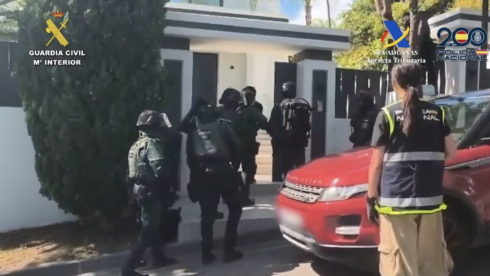
On Friday, a 55-year-old Algerian man collapsed near showers at an informal settlement beside El Trampolin beach.
Paramedics tried to revive him for more than 20 minutes. A minor accompanying him, believed to be a relative, said he had gone several days without eating and had complained of pain.
A heart attack was suspected, but an autopsy was needed to establish the cause of death.
Meanwhile, Ceuta’s courts had opened 37 sexual-assault proceedings between July 30 and September 14, involving 39 alleged victims, including 14 girls under 18.
The government estimated that 3,000 to 3,500 migrants remained outside accommodation facilities.
Between 500 and 700 children were still outside the protection system, although ministers said voluntary returns to Morocco were increasing.
Questions about Sanchez’s family also resurfaced during his visit to Harvard.
Students challenged him about corruption and the cases involving his wife, Begoña Gomez, and his brother.
Sanchez acknowledged corruption cases in his government and party, but rejected that description of his relatives’ legal troubles.
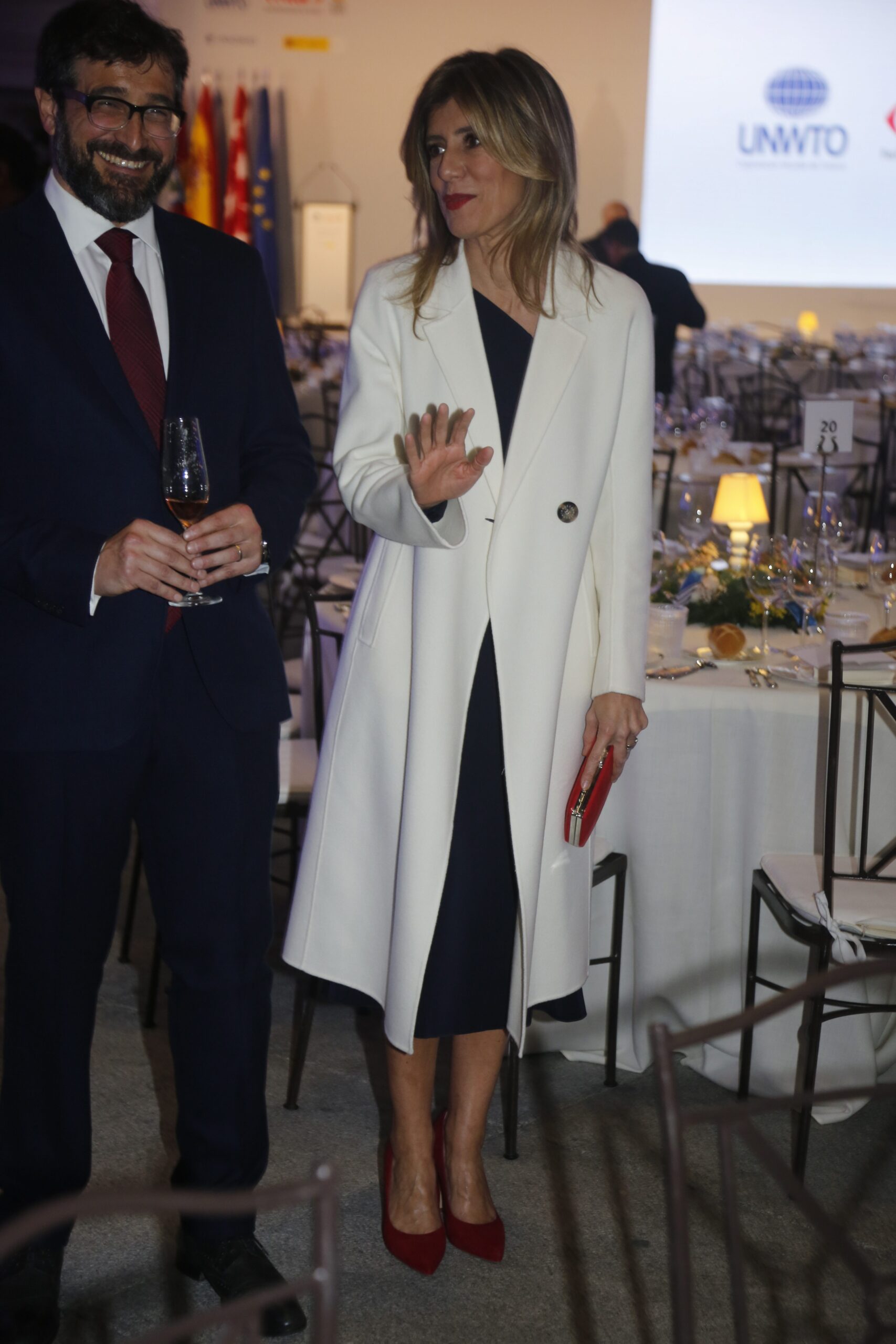
“Those are not corruption cases or scandals,” he said, accusing opponents of crossing personal boundaries.
Gomez is due to face a nine-member jury over alleged influence-peddling and misuse of public funds.
No trial date has been set, and the allegations have yet to be decided at trial.
Rivals mobilise
While Sanchez defended his record abroad, opposition parties and campaigners were organising at home.
PP and Vox backed a September 26 Madrid march called by Sociedad Civil Española in support of Ceuta and demanding a general election.
Residents in Ceuta had also marched towards the border, carrying Spanish and EU flags and demanding the government delegate’s resignation.
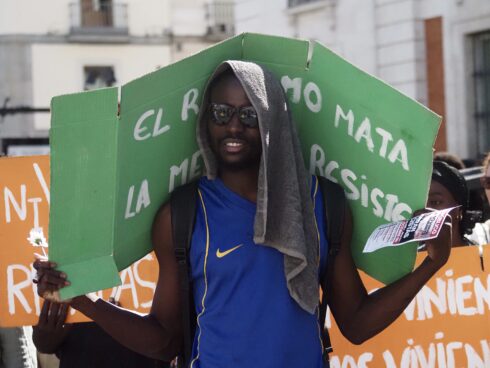
Anti-racism campaigners voiced different demands.
In Pamplona, protesters called for investigations into alleged human-rights violations and an end to discriminatory policing.
On the left, Movimiento Sumar, Izquierda Unida, Mas Madrid and the Comuns were discussing ‘Frente Amplio’ (Broad Front) as a new electoral name.
Neither the name nor a lead candidate has been agreed.
With Yolanda Diaz stepping aside as candidate, the parties must decide who can unite their voters.
PP leader Alberto Nuñez Feijoo, meanwhile, sought to appeal to families struggling with prices, proposing zero VAT on basic foods, lower energy VAT and temporarily doubled child-related tax allowances.
Housing exposed another division inside the governing coalition.
Maricarmen, 87, was evicted from her Madrid flat after living there for more than 70 years.
According to the tenants’ union supporting her, she had continued paying her €500 monthly rent, while the landlord sought €2,650.
Her removal on a stretcher prompted Sumar to demand stronger housing protections from its PSOE coalition partners.
For many, the case has become a symbol of how unaffordable housing has become in Spain.
Click here to read more Spain News from The Olive Press.