FRANCISCO Rivera Perez was 36 years old when it happened.
‘Paquirri’, as everyone knew him, was a bullfighter. But he was somehow more than that.
Whether you love or loathe bullfighting, you have to concede that he was very good at it. What is more, he was widely-regarded as the best-looking man in Spain.
The media had taken him to its heart.
When he married the beautiful Carmina in 1973, it was not far short of a royal wedding.
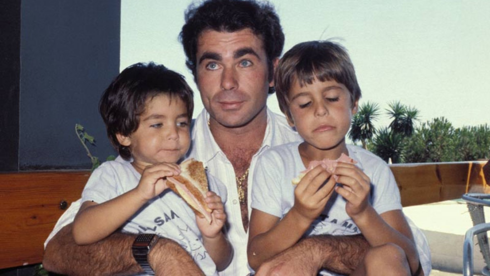
Via TV shows and documentaries, the people of southern Spain watched the Golden Couple raise their two boys, Francisco and Cayetano.
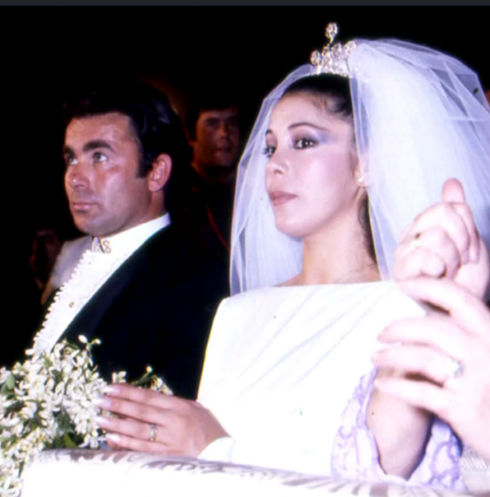
After the grim Franco years, here was a beautiful, gifted young family which radiated hope for the future.
In simple terms, Paquirri was loved by the people. Whereas Carmina came from a bullfighting dynasty, her husband had risen to stardom from very humble beginnings.
Francisco Rivera was born in Zahara de los Atunes, in the province of Cadiz, in the spring of 1948.
The family soon moved to the nearby fishing village of Barbate, which Paquirri always regarded as his hometown.
His father found work as the foreman of the local slaughterhouse, and as teenagers Francisco and his brother also worked there.
When he was 14, Paquirri decided to try his hand as a ‘novillero’. A matador must serve a long and arduous apprenticeship before qualifying as a full professional – and in truth, most of them never make it.
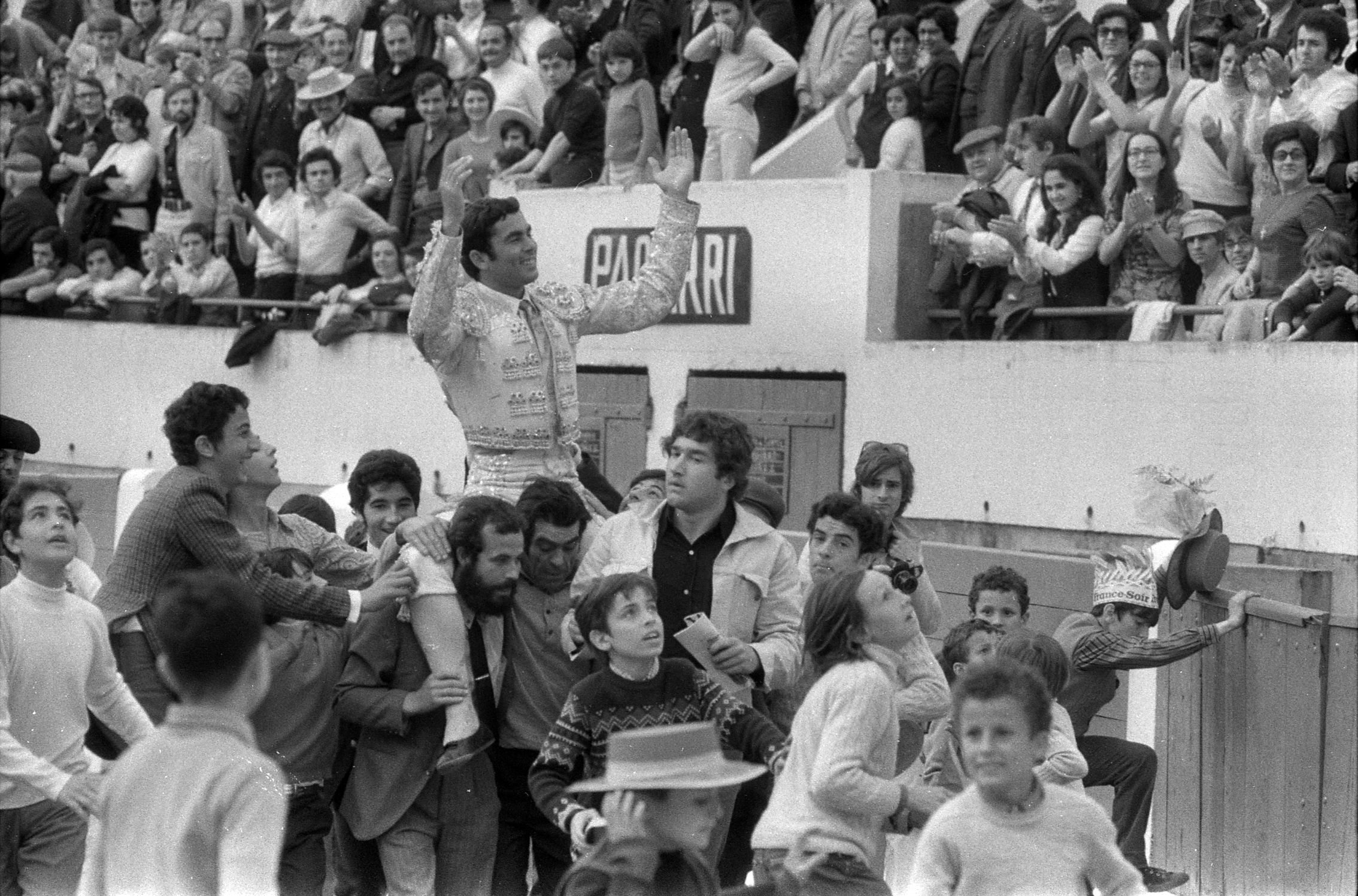
But Francisco Rivera had ability. He entered the ring in August 1962 and soon made his mark. Four years later he was carried a hombros (shoulder-high) from the sand of La Maestranza in Sevilla.
READ MORE: WATCH: Veteran Catalan matador is gored in leg by raging bull during performance in Madrid
Paquirri had arrived.
It was in 1966 that he was supposed to take his alternativa (the ceremony by which an apprentice turns professional) in Barcelona. Unfortunately, he was badly gored on the day, and his entry into bullfighting’s big time had to wait.
He returned to complete his alternativa later that summer, before his wounds had properly healed. He was 18 years old.
The Las Ventas bullring in Madrid is sacred ground – in effect, the Wembley of bullfighting.
On no fewer than six occasions in his career, Paquirri was carried from the Las Ventas ring a hombros – the highest accolade a matador can be paid.
By 1972, he was the number one bullfighter in the world.
A matador who has shown courage and skill is sometimes ‘awarded’ a trophy. The president of the bullfight orders an ear to be cut from the dead bull and presented to the hero.
Very rarely indeed, when the spectators clamour for it, the other ear is also awarded. On April 29, Paquirri was honoured with both ears of both his bulls – four ears – an unheard-of glory.
In the course of the 1970s he married, became a doting father, and was badly gored on two further occasions.
By 1984 Francisco was tired. He was in his mid-30’s (time to think about retiring) and had done everything worth doing in bullfighting, both in Spain and South America.
His season had finished (the big names make a contract to participate in the major corridas, between April and August). Somehow he was persuaded to appear at Pozoblanco, in Cordoba, on Wednesday September 26, 1984.
The fourth bull was named Avispado, which doesn’t really translate into English, but which means something like ‘as nasty as a wasp’.
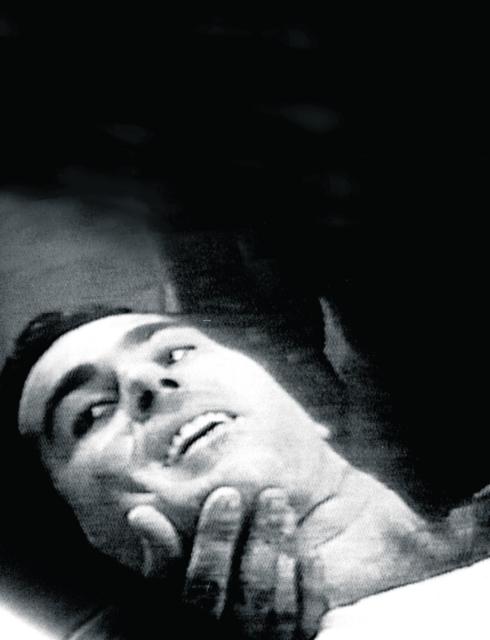
Paquirri was fatally gored in the thigh. Pozoblanco, a minor bullring, did not have the facilities to deal with the terrible wound.
The bullfighter was conscious and discussed with the medical staff the need to be moved rapidly to a proper hospital. His last words were, “Stay calm, doctor”.
En route to a nearby military hospital, Francisco Rivera suffered a heart attack and died. Many see him as the last in the line of great matadors.
Click here to read more Spain News from The Olive Press.