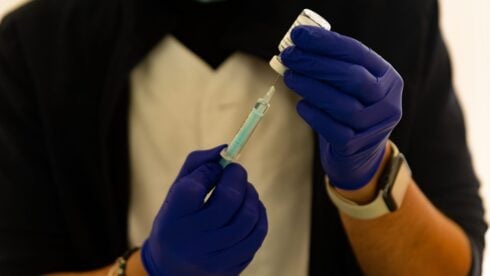

SPANISH scientists have hailed a historic medical breakthrough after a new skin cancer vaccine showed in trials that it can stop deadly tumours from coming back.
The jab, developed by pharmaceutical giants Moderna and Merck, has been shown to reduce the risk of melanoma returning when used alongside immunotherapy – and stop the cancer from spreading to other parts of the body.
It is the first vaccine of its kind to reach Phase 3 – the final stage of clinical trials before a treatment can be considered for approval – in a discovery that experts say could save thousands of lives worldwide.
Marisol Soengas, head of the Melanoma Group at the Spanish National Cancer Research Centre (CNIO), said the results were ‘very promising.’
“Firstly, this is a Phase 3 trial, involving over a thousand melanoma patients,” she told science portal SMC Spain.
“Secondly, because of the technology involved… these are personalised vaccines, tailored to each patient,” she added.
The latest results come from a large Phase 3 trial involving 1,137 patients with advanced melanoma.
READ MORE: Life-saving tuberculosis vaccine created by Spanish scientists- but it needs a €20 million boost
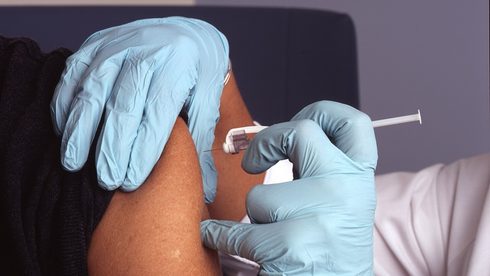
The jab uses mRNA technology – a type of treatment that teaches the body’s immune system to recognise and attack cancer cells.
Doctors took samples of healthy and cancerous cells from each patient and sent them to a laboratory, where scientists created personalised jabs designed to help the immune system detect any cancer cells left behind.
Patients were then followed for around five years as scientists tested whether the personalised vaccine could keep the disease at bay.
Moderna and MSD are yet to release specific data on survival rates and related figures, though they said the results showed ‘statistically significant and clinically meaningful improvements.’
Because of how the treatment is designed, it cannot be given to someone before they develop cancer.
Instead, it can only be used after a tumour has already been removed, helping to stop the disease from returning.
Scientists had already been encouraged by earlier results from a smaller Phase 2 trial involving 157 patients.
READ MORE: Costa del Sol remains on alert for West Nile Virus as cases in Andalucia climb to 43
That study found the treatment cut the risk of melanoma returning by 49% and reduced the risk of the cancer spreading to distant organs by 59% after five years.
Dr Dean Y. Li, president of Merck Research Laboratories, said the aim was to treat patients earlier, when cancer is easier to control, and give more people a chance of being cured.
The companies are now expected to present the full results at a medical conference and submit the treatment to regulators for approval.
Click here to read more Health News from The Olive Press.