
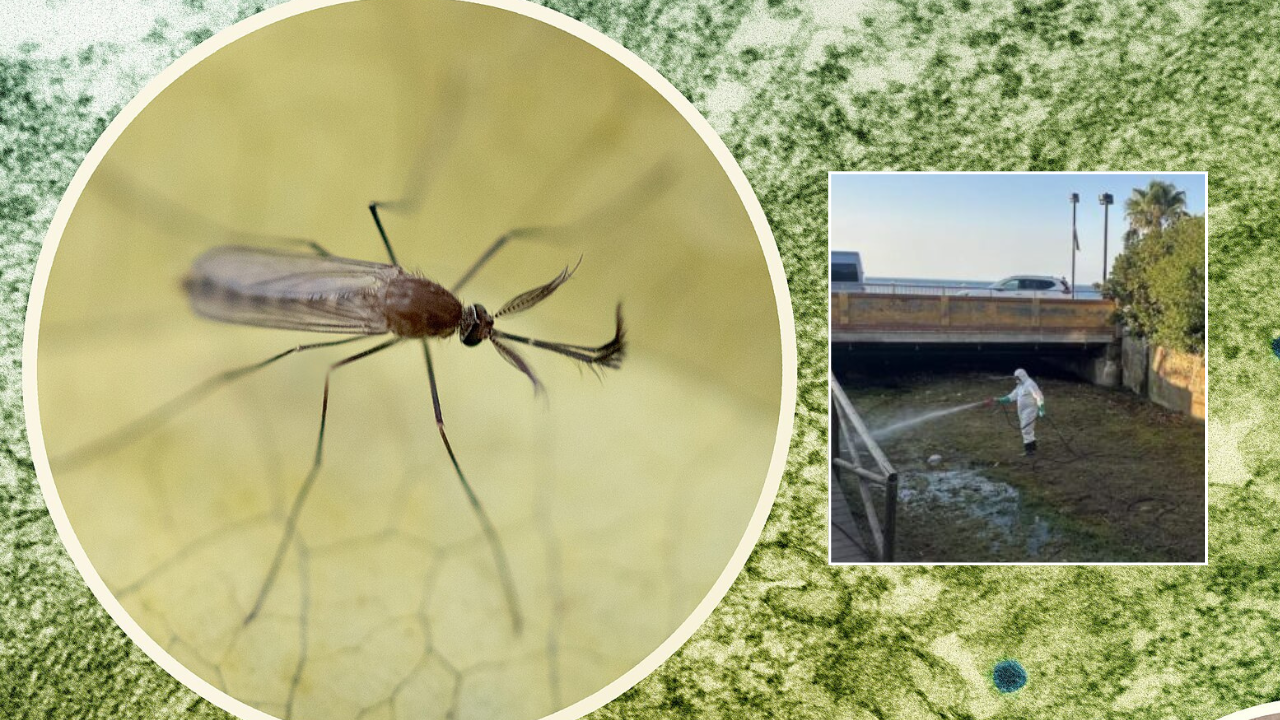
THE Costa del Sol remains on high alert for West Nile Virus, after five new cases pushed the total up to 43 across Andalucia.
The five new infections include four in Sevilla, home to the highest number of cases across the region, and one in Huelva – the first infection in the municipality this year.
The Costa del Sol is yet to record a human infection, but several municipalities – including Fuengirola and Las Laguna-Mijas in Malaga province – remain under a health alert until August 24.
Of the 43 infections registered so far, 29 people have suffered mild illness while 14 have developed neuroinvasive symptoms, which affects the brain and nervous system.
One person, an 82-year-old man with underlying health conditions, has died. Another person is recovering with no lasting effects.
Health officials are increasing surveillance of mosquitos, animal and human cases, with the total number of affected municipalities currently standing at 24.
Health officials have also carried out around 460 virus detection tests, and screened 119 cases of viral meningitis for arboviruses.
Around 3,620 blood donation tests have also been tested, to prevent the infection from spreading through blood.

Residents of affected areas are advised to:
- Use registered mosquito repellents
- Wear light-coloured clothing that covers the body
- Avoid strong perfumes and scents
- Install mosquito nets
- Use household insecticides or environmental repellents
- Turn off unnecessary lights, which can attract mosquitoes
Authorities are also recommending residents to remove any stagnant water from gardens, plant pots, buckets, toys and other containers, as they are breeding grounds for mosquitos.
West Nile virus mainly spreads to people through the bites of mosquitoes, which typically become infected after feeding on birds carrying the virus.
Most people develop no symptoms or only a mild flu-like illness, but a small proportion develop serious neurological conditions such as encephalitis or meningitis, which can be deadly.
There is no specific treatment or vaccine for West Nile virus in humans, with most cases resolving on their own.
Severe infections, however, require hospital treatment to manage symptoms and complications.
The disease does not normally spread from person to person.
Click here to read more Spain News from The Olive Press.