

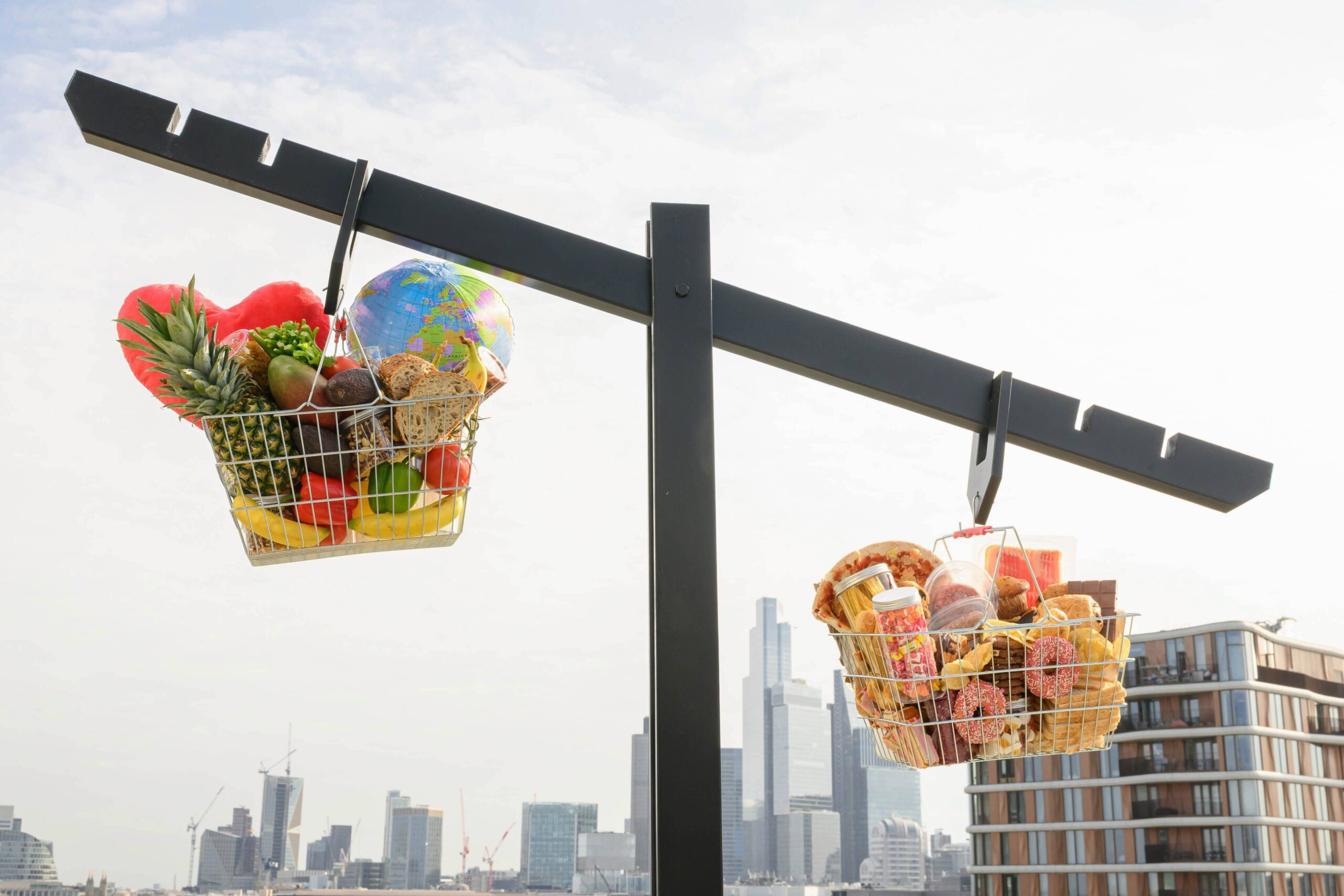
SPAIN’S share of calories from ultra-processed food has tripled in thirty years and a British campaign starting next week has a suggestion for what to do about it.
There is a comfortable story a lot of us tell ourselves after moving here. Back home it was meal deals and microwave curry. Now it’s olive oil, tomatoes, a bit of fish, wine that costs less than the tapa it came with. Problem solved.
The data does not agree, and has not for some time.
In November 2025 The Lancet published a three-part series on ultra-processed food, put together over two years by 43 researchers.
Buried in it is a figure that should give anyone living in Spain pause: the share of calories Spanish households buy that comes from ultra-processed food has gone from 11% to 32% in three decades. Tripled. In the country that gave the world the Mediterranean diet.
Maira Bes-Rastrollo, professor of preventive medicine at the University of Navarra and one of the contributors, has pointed out that the surveys behind that figure only run through 2010. The real figure today is almost certainly higher.
The Mercadona problem
None of this is hard to believe if you have pushed a trolley round a Spanish supermarket lately. The fruit and veg are magnificent. The fish counter is a genuine pleasure. And then there are eleven aisles of everything else.
A European comparison in the European Journal of Nutrition, using EFSA’s consumption database, put Spanish adults at roughly 27% of daily energy from ultra-processed food and drink. Britain topped the same table at close to 40%. So Spain is better. It is not well.
The Lancet team reviewed 104 long-term studies and 92 of them pointed the same way: higher risk of obesity, type 2 diabetes, heart disease, depression, early death. Industry bodies argue that “processed” is too broad a brush. Fine. Nobody is losing sleep over tinned chickpeas. The researchers are talking about the other stuff, the sort that arrives in a wrapper with a shelf life measured in geological time and an ingredients list nobody reads.
An idea from Ramsgate, of all places
Which brings us, improbably, to a warehouse in Thanet.
A wholefoods company there, Whole Food Earth, runs a free movement called The Whole Plate, and next week it launches its annual September push. The whole philosophy is eight words long: most of your plate, most of the time.
Five rules, none of them onerous. If your grandmother wouldn’t recognise it, think twice. Five ingredients or fewer, almost always. Cook one more meal a week than you did last week. Half the plate plants, and frozen or tinned counts. Treats are allowed, so long as they are made of real things and eaten sitting down rather than out of a plastic sleeve at a petrol station.
Sign up and a short email lands each morning for 30 days with a swap, a recipe or some small idea. Free. Nothing to weigh, nothing to order.
And yes, before anyone writes in: it is run by a firm that sells wholefoods. Weigh that as you like. The thing has no price tag and no product attached to it, which puts it ahead of roughly everything else that turns up in an inbox in September.
What Spain already had
Here is the awkward bit. Spain does not need this advice imported. It needs to stop mislaying its own.
Half the Whole Plate rulebook is just a description of a Spanish grandmother’s kitchen. Lentejas with a bit of chorizo. Garbanzos and spinach on a Friday. Pisto to use up whatever the huerta overdid this year. Gazpacho, three vegetables and some stale bread, which remains the cleverest thing anyone has ever done with a glut.
That kitchen is going, and not because Spaniards forgot how to cook. It went the way it went everywhere else, squeezed out by longer hours and cheap convenience, with a food industry advertising budget the Ministry of Health could never hope to match.
If you steal one rule, steal the third. Cook one more meal a week than you did last week. You cannot really fail at it, which is the point, and stick with it and you will have made something like fifteen extra dinners by the time the turrón appears.
For the expat kitchen
If you are doing this from a Spanish kitchen you are starting with an advantage most British participants would envy. The market is round the corner. The tomatoes taste of something. Legumbres cost almost nothing and keep for years.
Whole Food Earth’s own range leans on exactly that — the company built its business on dried pulses, lentils and beans bought in bulk, which is the least glamorous and most useful corner of any pantry. The five rules, the 30-day sign-up and the recipe wall are at wholefoodearth.com.
Whole Plate September starts on Tuesday. It costs nothing, and unlike most September resolutions it does not require you to buy a single thing first.
Click here to read more Food & Drink News from The Olive Press.





Strange to make the sub heading The Mercadona problem. I thought Mercadona’s commercial success was partly due to the number of uncooked basic ingredients on sale. I cook all meals from scratch and do most of my shopping at Mercadona, their fruit and vegetables are seasonal and excellent. There are far more processed foods in some other supermarkets.