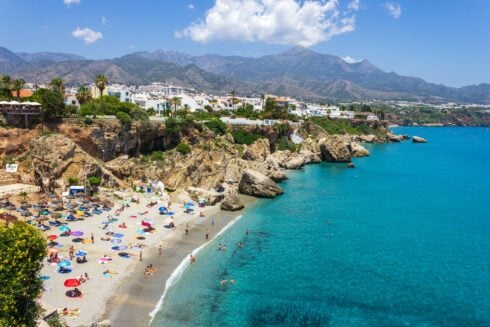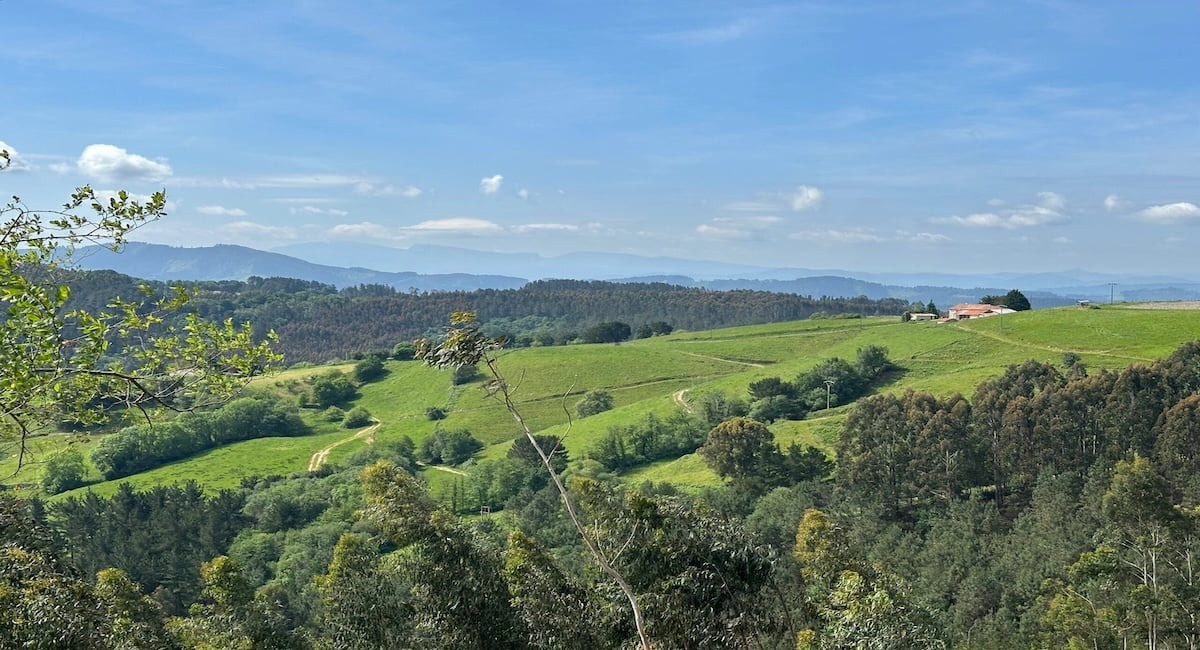
SPAIN’S northern coastline has transformed into the country’s ultimate climate refuge following another sweltering summer of record temperatures across the Mediterranean and the south.
Foreign tourists and expats are increasingly abandoning the traditional sunbeds of the Costa del Sol and the Costa Blanca for the cooler climes of Galicia, Asturias, Cantabria and the Basque Country.
Average summer temperatures in the northern regions known as ‘Green Spain’ sit between 10C and 15C lower than the stifling heat found in Andalucia and central Spain.
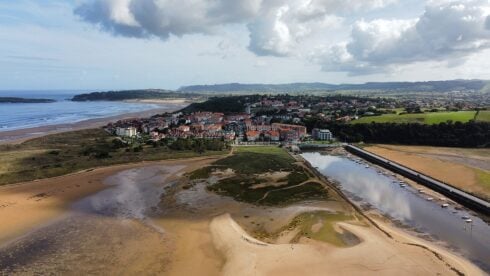
The desire to escape the blistering southern heat has driven a 35% surge in summer visitors to the north over the past decade.
Data from the National Institute of Statistics shows the number of summer travellers across the four northern regions jumped from 3.4 million in 2015 to over 4.7 million last year.
Foreign tourism has grown by more than 30% in recent years, bringing an unprecedented property boom to formerly sleepy fishing villages and rural enclaves.
Jesus Riva, manager of the Somoplaya real estate agency in Somo, a coastal town near Santander, said the demand for second homes has been impressive since the pandemic.
He said prices in the area had doubled since 2020 as buyers flocked north to escape the heatwaves.
“Much of the public is coming to live around here because of the heat in the rest of Spain,” Riva told Spanish broadcaster RTVE.
“As soon as we list a property at a reasonable price, the phone starts ringing and doesn’t stop.”
The seasonal influx has put severe pressure on local infrastructure, with the Cantabrian town of Noja seeing its population multiply 33 times over, swelling from 3,000 permanent residents to nearly 100,000 in August.
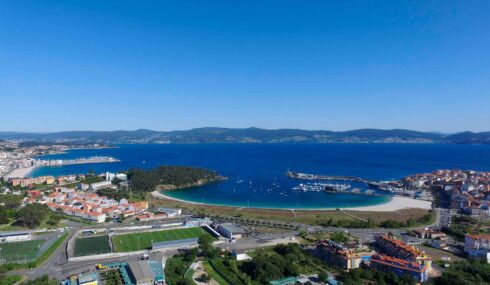
Sanxenxo, a resort town in Galicia’s Pontevedra province, experiences a similar explosion, jumping from 18,000 locals to 110,000 during the peak season.
The sudden massification has sparked a backlash from locals who are finding themselves priced out and crowded out of their own beaches.
Vanesa Rios, a resident of Mera in A Coruña, said the overcrowding has become evident over the last four years.
READ MORE: FROM THE ARCHIVES: Get off the beaten track with a holiday in Spain’s northern region Asturias
“The locals try to survive, but it is complicated,” she said.
“There are weekends when we neighbours don’t even go down to the beach because it is impossible.”
Anti-tourist graffiti has even begun to appear in the north, mirroring the recent protests seen in Mallorca and Barcelona.
Environmental sites are also feeling the strain, with Galicia’s famous Cathedral Beach in Lugo forced to cap summer visitor numbers at 4,800 a day to protect its fragile cliffs from the stampede.
Click here to read more Olive Press Travel News from The Olive Press.