

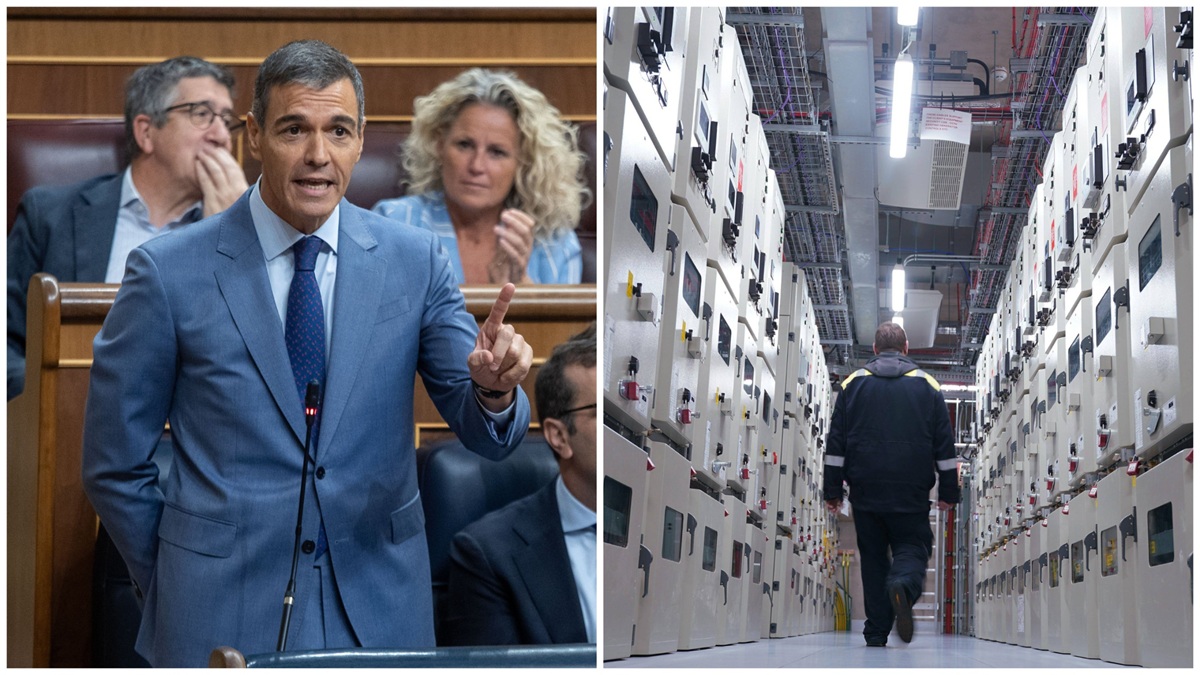
SPANISH prime minister Pedro Sanchez has called for tighter regulation of data centres as tech giants ramp up plans to expand in Spain.
In an editorial he wrote for Bloomberg, the socialist leader warned that new data centres planned for Spain have energy needs that ‘outstrip expectations,’ stressing they should remain ‘economically sustainable and environmentally and socially fair.’
The statement follows an August proposal by the government to impose a raft of stricter rules on data centres, in a bid to limit the strain they put on Spain’s power and water supplies.

“Spain wants to fully capture the opportunities created by data centres and AI,” Sanchez wrote.
“Yet the challenge is making sure the infrastructure expands in line with the capacity of the power system.”
He added: “The goal is not to slow down growth or constrain innovation. Quite the opposite: it is to ensure that they remain economically sustainable, and environmentally and socially fair.
“Countries that understand this will be the ones best positioned to lead the next phase of the digital economy.”
Spain currently has 103 data centres, with 81 already operational and another 22 in development or planned, according to a new national census by El Español.
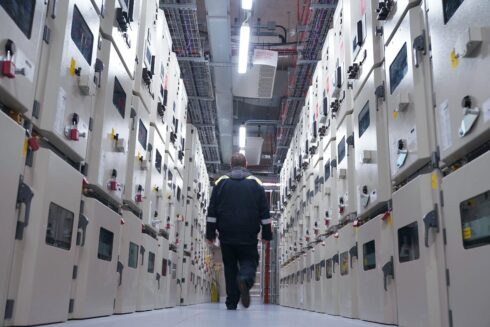
The rapid expansion is being fuelled in large part by the soaring demand for AI, with tech giants including Amazon, Microsoft and Google pursuing major projects across the country.
Data centres can put enormous pressure on local power grids and water supplies, particularly as AI workloads require increasingly powerful computers and cooling systems to operate.
In Ireland, data centres accounted for 21% of electricity consumption in 2023, with the International Energy Agency (IEA) warning they could reach 32% this year.
In the US, data centres consumed 4.4% of total electricity in 2023, with the Department of Energy forecasting their share could reach 12% by 2028.
The growing demand has already become a political and public concern, with a Gallup poll finding 71% of Americans opposed building AI data centres in their local area.
As Spain prepares for the added strain from a growing number of data centres, the new bill proposed by Sanchez would force them to meet tougher standards for energy efficiency and water use.
According to the proposal, new centres would also have to source at least 80% of their electricity from newly-built renewable energy sources.
The approach creates another potential point of policy contrast between Sanchez and US president Donald Trump, after the two leaders clashed repeatedly in the past year over Spain’s defence spending and the ongoing conflicts in the Middle East.
Trump has strongly backed rapid AI development, dismissing calls for tighter controls and arguing that slowing the industry could hand an advantage to China.
In a Truth Social post on Monday, he said there was a ‘SICK conspiracy’ against AI and data centres, arguing that criticism of the technology was playing into China’s hands.
Trump has also described data centres as the ‘oil of the next 20, 25 years’, saying they could make people and states wealthy as the AI industry expands.
His administration, however, has sought to address the strain on America’s electricity system by making tech companies pay for the extra power and infrastructure their facilities need.
In March, AI giants including Amazon, Google, Meta, Microsoft, and OpenAI signed a Trump-backed pledge promising to pay for the new power and grid infrastructure needed to run their data centres, rather than passing the costs on to households.
“The American people should not be footing the bill,” the White House said in a statement, as Trump’s administration warned that surging electricity demand was placing ‘significant strain’ on the US grid.
Click here to read more Technology News from The Olive Press.








Because data centres consume huge amounts of water they should only be built by the coast and use only seawater for all their needs. They should also be totally self sufficient in generating their own power via renewables, like wind & solar. They should never be a burden of the energy & infrastructure of their locality.