
SANTANDER is strengthening its claim as one of northern Spain’s most attractive cultural destinations with the arrival of Faro Santander, a major new centre bringing internationally renowned art into the heart of the city.
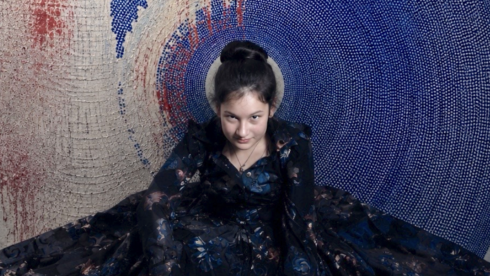
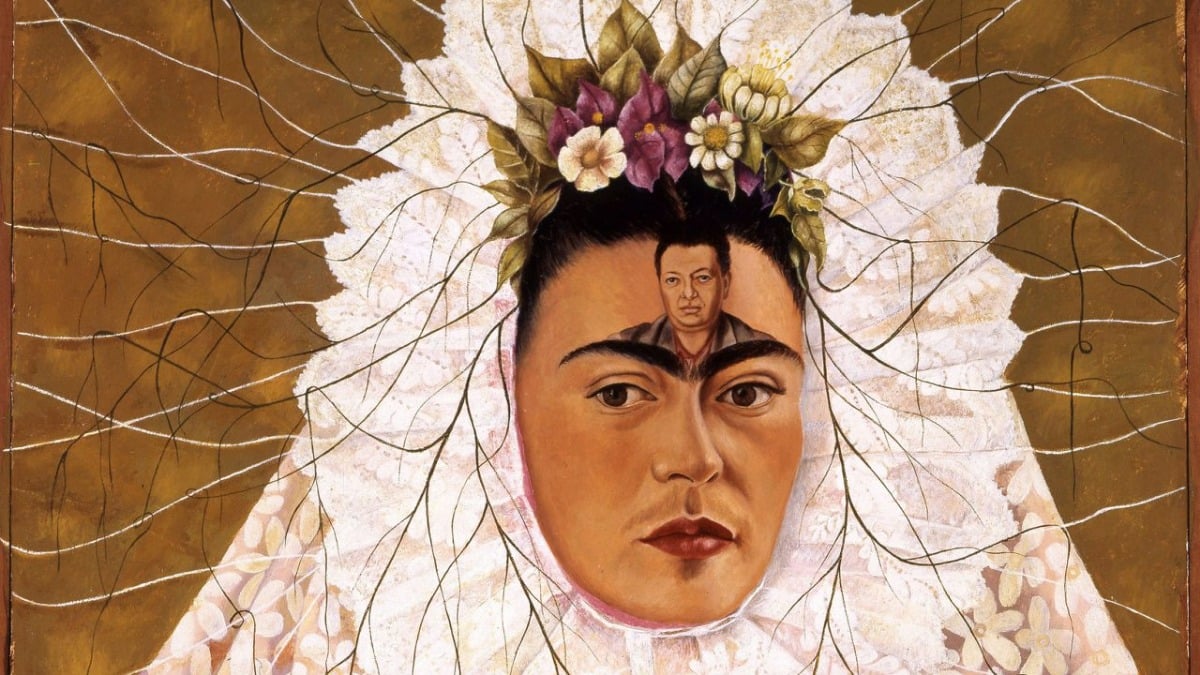
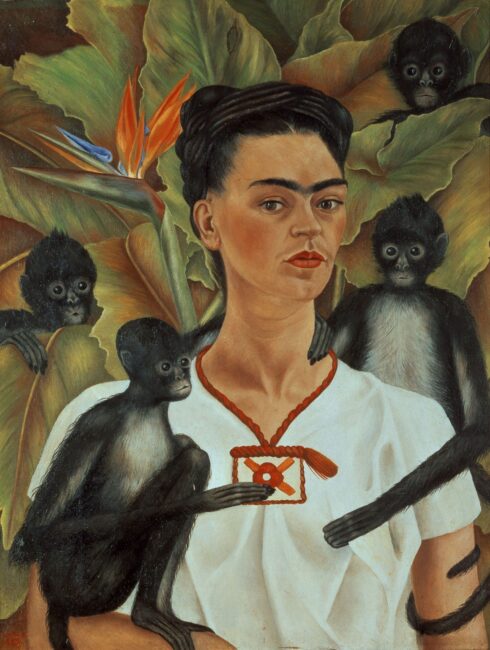
The museum just opened in September 2026 and has put art firmly centre stage, combining works from Banco Santander’s own collection with a first selection from the prestigious Gelman Collection, one of the most important collections of 20th-century Mexican modern art.
Among the names visitors can expect to encounter are Frida Kahlo, Diego Rivera and David Alfaro Siqueiros, alongside leading figures in Mexican photography.
READ MORE: Spain has a new ‘arty city break’ of choice that Brits are flocking to, according to The Times
The museum has occupied the historic Edificio Pereda, the former Banco Santander headquarters on Paseo de Pereda, directly opposite the Renzo Piano-designed Centro Botin.
Its transformation gives Santander another major cultural attraction on its waterfront, creating a dialogue between art, architecture and the city’s spectacular bay.
Designed by David Chipperfield Architects, Faro Santander spreads across more than 10,000 square metres on ten levels, with around 3,000 square metres of exhibition space over five floors.
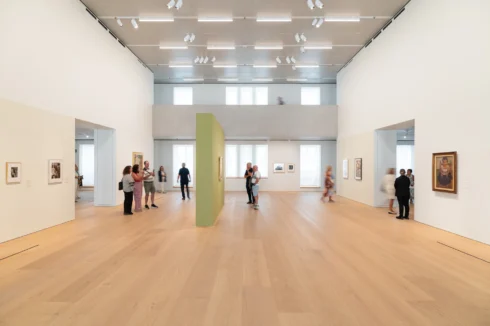
But rather than wiping away the building’s banking past, the architects have deliberately preserved its history.
The oldest sections date from the late 18th century, and the redesign keeps visible the different architectural layers added over generations.
Its central arch remains one of the defining features, now helping organise the entrance and movement through the building, while a dramatic exposed-concrete spiral staircase and lightweight steel structures introduce a contemporary feel.
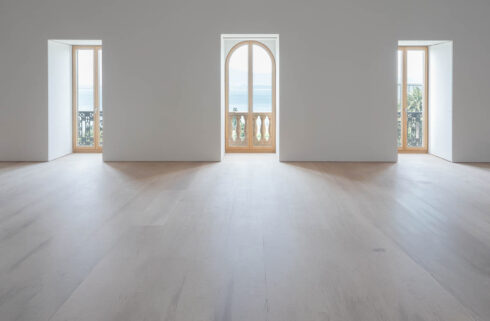
More than 200 windows open the museum towards Santander and the Cantabrian Sea, bringing natural light into the galleries and offering visitors views of the city and bay between exhibitions.
Faro Santander is also designed to go beyond the traditional museum experience.
Alongside its galleries, it will offer experimental areas, technology spaces, facilities for younger visitors and an auditorium, while a cafe and restaurant on the upper terrace will look out over the waterfront.
The result links three versions of Santander: its historic banking heritage, its increasingly ambitious art scene and its cultural future.
Together with the Centro Botin and the city’s architectural heritage, Faro Santander adds another reason for travellers to see the Cantabrian capital not simply as a seaside stop, but as a destination worthy of a dedicated cultural break.
Click here to read more Spain News from The Olive Press.