

SLEEP disorders have a significant impact on people’s health, wellbeing and quality of life.
As well as affecting sleep, they can be linked to cardiovascular, respiratory, neurological, metabolic and mental health problems, which is why their assessment often requires the coordinated involvement of different specialists.
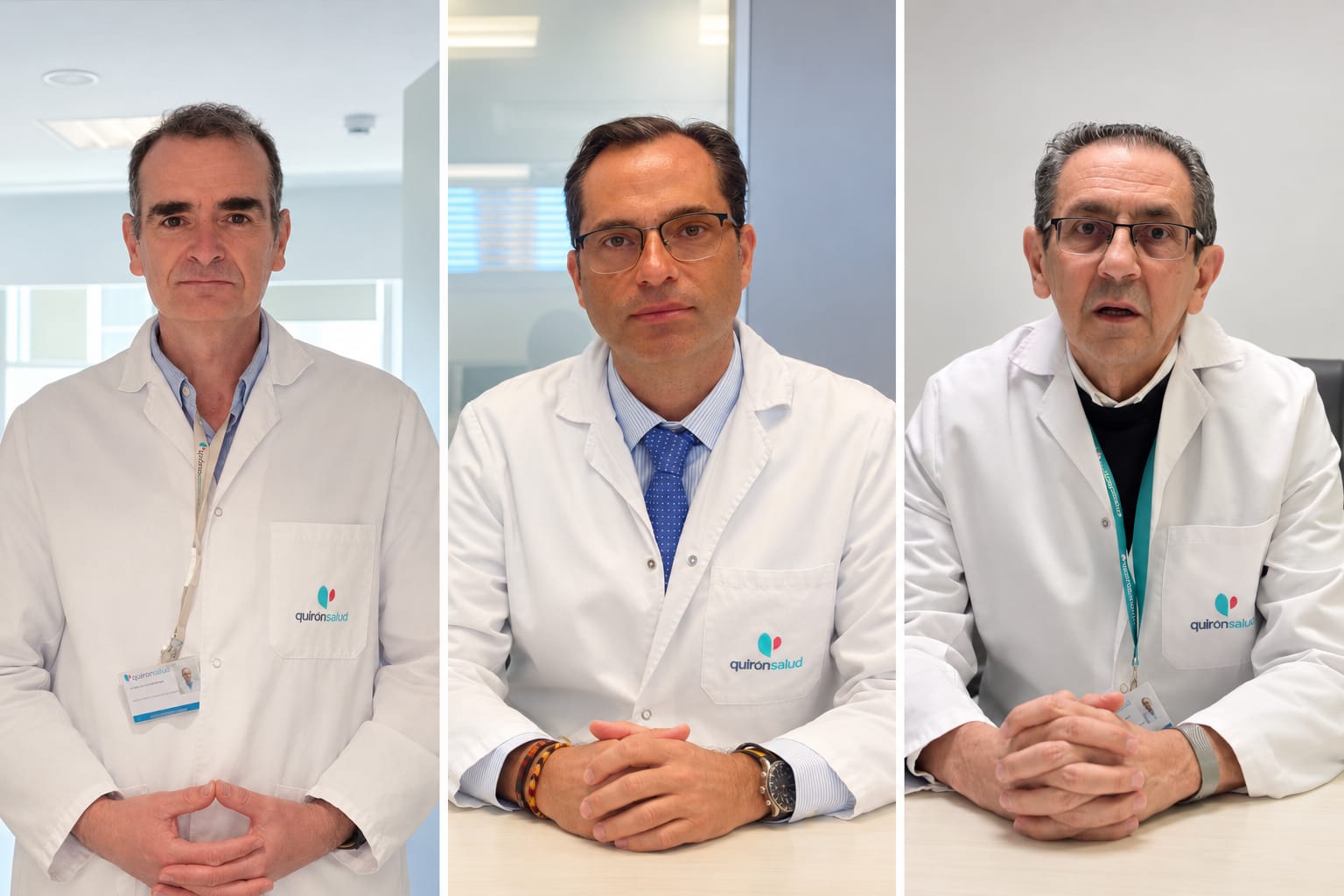
For this reason, Quirónsalud Marbella Hospital has a Multidisciplinary Sleep Disorders Unit, coordinated by specialists in Pulmonology, Otorhinolaryngology, Neurophysiology and Neurology, who work together to provide a comprehensive approach to sleep-related conditions, from diagnosis through to treatment and follow-up for each patient.
READ MORE: Quirónsalud Marbella becomes first private hospital in city to win ‘Optimal’ quality certification
The inclusion of Clinical Neurophysiology and Neurology marks a new step in the development of this Unit, which has a proven track record in managing respiratory sleep disorders thanks to the coordinated work carried out over many years by the Otorhinolaryngology and Pulmonology departments. This expansion enables the Unit to extend its diagnostic capabilities to other sleep disorders and offer an even more comprehensive assessment of each patient.
A diagnosis tailored to each patient
The Multidisciplinary Sleep Disorders Unit has a range of diagnostic tools at its disposal, enabling each case to be assessed on an individual basis. These include sleep respiratory studies carried out by the Pulmonology and ENT departments, as well as a full overnight polysomnography, which is considered the gold standard for a comprehensive sleep assessment.
Polysomnography is carried out overnight in hospital and simultaneously records parameters such as brain activity, eye movements, muscle activity, heart rate, breathing and blood oxygen levels, providing a detailed assessment of sleep architecture and quality.

A multidisciplinary approach
Dr Carmen Gutiérrez, a specialist in Clinical Neurophysiology at the Quirónsalud hospitals in Marbella and Córdoba, explains that “polysomnography allows us to observe what happens in the body whilst the patient is asleep. We simultaneously study brain activity, the different stages of sleep, eye and muscle movements, breathing, oxygenation and cardiac activity, which gives us a comprehensive picture of the quality and structure of sleep. However, the real added value lies not only in having a very comprehensive test, but in knowing how to select the right test for each patient and interpret the results within their clinical context”.
From a neurological perspective, Dr Ziba Ghazizadeh Monfared, a specialist in neurophysiology, emphasises that “many sleep-related neurological disorders remain undiagnosed for years because their symptoms are often mistaken for problems such as tiredness, stress or lack of rest. A proper assessment enables the cause to be identified and significantly improves the patient’s quality of life”.
Dr José María Ignacio García, Head of the Pulmonology Department, points out that “respiratory sleep disorders, particularly obstructive sleep apnoea, are among the most common conditions and continue to be underdiagnosed. Having a range of diagnostic tools at our disposal allows us to tailor the assessment to the characteristics and needs of each patient”.
The unit’s main strength lies in the coordination of the various specialities involved in the assessment of sleep disorders. Following an initial assessment, a personalised diagnostic pathway is established to determine which specialists and tests are required in each case to reach an accurate diagnosis and define the most appropriate treatment.
Dr Carlos O’Connor, Head of the Otorhinolaryngology Department, emphasises that “the incorporation of new specialities represents a step forward for a unit that has been working in a coordinated manner on respiratory sleep disorders for years. Sleep must be approached in a multidisciplinary way, because behind a single symptom there may be respiratory, anatomical, functional or neurological factors that require an individualised assessment”.
The unit offers a wide range of treatment options, including lifestyle and dietary measures, myofunctional therapy, positional therapy, mandibular advancement devices, CPAP or BiPAP treatment, upper airway surgery, hypoglossal nerve stimulation and specialised treatments for neurological sleep disorders. All of this enables the design of personalised treatment strategies tailored to each patient’s clinical characteristics.
This multidisciplinary approach promotes comprehensive care in which Pulmonology, Otorhinolaryngology, Neurophysiology and Neurology work in a coordinated manner to improve patients’ sleep quality, health and quality of life.
Quirónsalud in Andalusia
The Quirónsalud Group in Andalusia currently operates eight hospitals located in the cities of Málaga, Marbella, Los Barrios (Cádiz), three in Seville (Sagrado Corazón, Infanta Luisa and Materno-Infantil), Córdoba and Huelva, as well as two surgical day hospitals in Seville and Málaga and 22 specialist and diagnostic medical centres; this positions it as the leading private hospital provider in this autonomous community.
About Quirónsalud
Quirónsalud is the leading healthcare group in Spain and, together with its parent company Fresenius-Helios, also in Europe. In addition to its operations in Spain, Quirónsalud also has a presence in Latin America. Together, the group employs over 55,000 professionals across more than 180 healthcare centres, including 57 hospitals with over 8,000 beds. It utilises state-of-the-art technology and boasts a large team of highly specialised professionals of international renown. Its centres include the Fundación Jiménez Díaz University Hospital, Teknon Medical Centre, Ruber Internacional, Quirónsalud Pozuelo University Hospital, Quirónsalud Barcelona Hospital, Dexeus University Hospital, Policlínica Gipuzkoa, General University Hospital of Catalonia, Quirónsalud Sagrado Corazón Hospital, etc.
The Group is committed to promoting teaching (fourteen of its hospitals are university hospitals) and medical and scientific research (it operates the FJD Institute for Health Research, accredited by the Ministry of Science and Innovation).
Furthermore, its healthcare service is organised into cross-disciplinary units and networks that enable the Group to make the most of the experience accumulated across its various centres and to facilitate the clinical application of its research. Quirónsalud is currently carrying out a wide range of research projects throughout Spain, and many of its centres are at the forefront of this field, pioneering work in various specialities such as oncology, cardiology, endocrinology, gynaecology and neurology, amongst others.
For more information, call +34 952 774 200 or visit Quirónsalud Marbella.
Click here to read more Andalucia News from The Olive Press.