
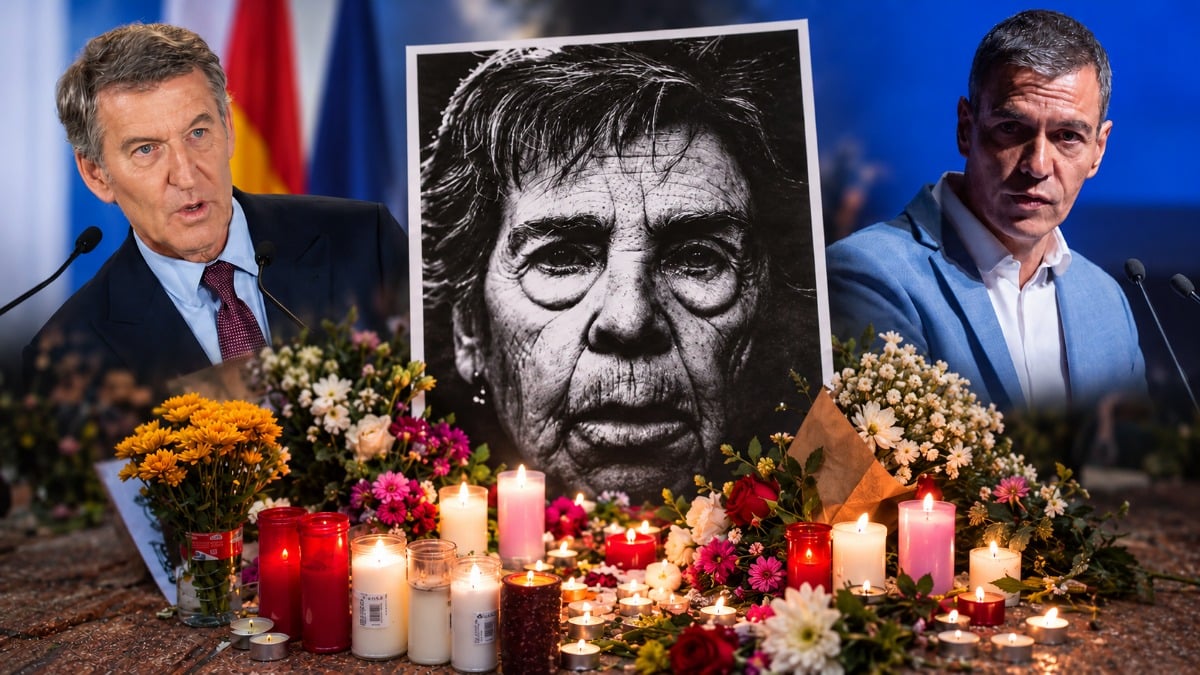
MARICARMEN Abascal died this week after being evicted from the Madrid home where she had lived for 71 years. Her case has become a symbol of Spain’s housing crisis and comes as voters prepare to choose a new government.
Maricarmen, 87, was taken to hospital after she was forcibly evicted from her home of 70 years. She died 15 days later. An agreement had been reached that could have allowed her to return home, but it came too late.
Her removal had already sparked protests. After her death, people held vigils and marched in Madrid and other cities, saying her story showed how difficult it can be for people to keep a home they can afford.
More than 100 activists also stopped the eviction of another family in Madrid’s San Blas district.
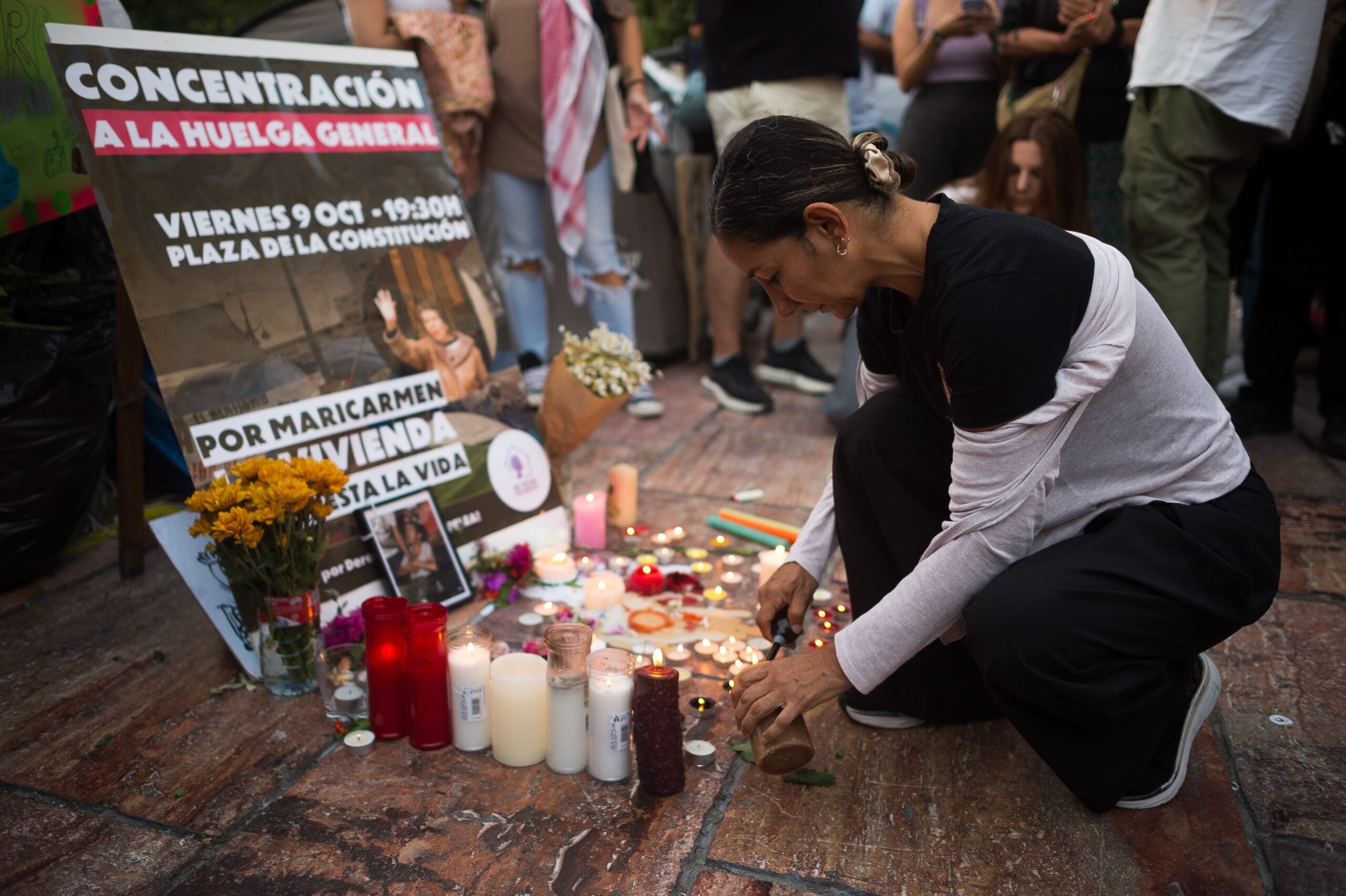
The protest movement is still visible in Madrid. People have remained camped in Puerta del Sol, the city-centre square where demonstrators are calling for affordable housing.
Over 1,000 people also marched in Barcelona. Housing groups have called a general strike for November 11. Organisers say they want to push goverment to solve the housing crisis.
Meanwhile, all political forces are moving fast, as they seek to make the largest gains in the coming snap election.
READ MORE: Who will win Spain’s snap election on November 29 – and what do the five main parties stand for?

Prime Minister Pedro Sanchez has brought the vote forward to November 29, after parliament rejected the government’s earlier housing plans.
The election will decide whether his governing coalition, the Socialist PSOE and left-wing Sumar, stays in power or is replaced.
The opposition People’s Party, or PP, hopes to take power.
The government has put all its cards on its handling of the housing crisis, saying it wants to solve the problem but that right-wing parties are blocking its plans.
It has now approved two new housing decrees. One began on October 8; the other, which includes automatic extensions to some rental contracts, is due to take effect on November 15.
The measures include interest-free loans of up to €50,000 for first-time buyers and extra protection for some tenants at risk of eviction. But both decrees still need parliamentary approval, and the government says they will not solve the housing crisis on their own.
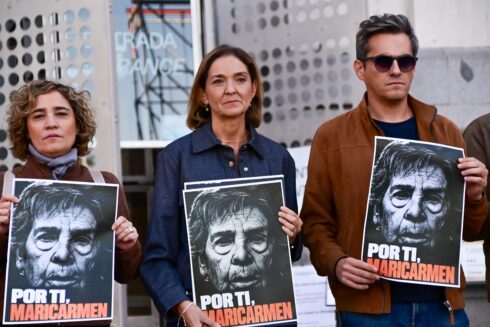
The death of Maricarmen has sharpened the argument over who is responsible for the crisis. Housing groups say her case shows the human cost of unaffordable housing and evictions.
The PP has warned Sanchez not to use her death for political gain. The issue is now central to the election debate, but it is not yet clear how much it will affect the result.
Parties are preparing for the campaign. The PSOE is looking at joint lists with other left-wing groups for the Senate, while PP leader Alberto Nuñez Feijoo has agreed to debate Sanchez on November 16.
Vox has called the November 29 vote a chance for Spaniards to ‘take back Spain’. The campaign will ask voters to judge the government’s record and its plans for housing.
Will Maricarmen’s story change the election or Sanchez’s future? The answer will come from voters on November 29.
For now, her death has ensured that housing, evictions and the cost of finding a home cannot be pushed to the side.
Click here to read more Spain News from The Olive Press.