
WHEN Berber Muslims still ruled Andalucia, nearly 1,000 years ago, a legend took hold that emperor Tesufin ibn Ali had hidden a marvellous treasure in a labyrinth of warrens beneath the sea.
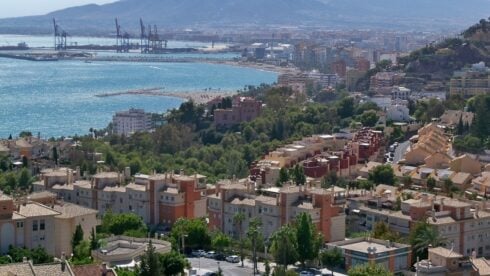
Those warrens are today known as the Cueva del Tesoro, or Treasure Cave, and lie a stone’s throw from Malaga, in the Costa del Sol holiday resort of Rincon de la Victoria.
The legend surrounding the cave’s name has fuelled the obsession of dozens of treasure hunters – though, predictably, no mountains of gold have ever been found.
But the Cueva del Tesoro is still very much a special place – and data now shows Brits are spearheading a stunning surge in visits.
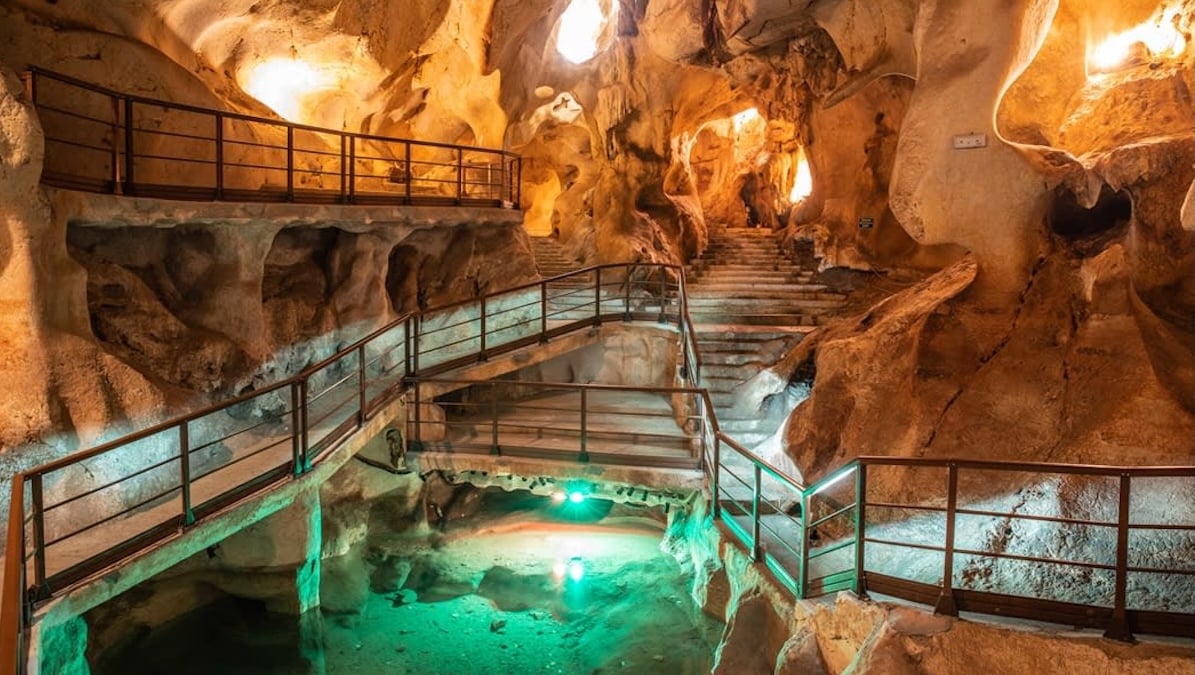
A protected heritage site since 1985, the Cueva del Tesoro is the only cave of marine origin open to visitors in Europe, and one of just three in the world.
This means its extraordinary network of galleries was carved out by the action of the sea rather than underground rivers.
READ MORE: Spanish team is developing robots to explore underground caves on the moon and Mars
Its winding passages reveal spectacular rock formations, underground lakes and archaeological remains, offering visitors an unparalleled glimpse into the Costa del Sol’s prehistoric past.
And new figures from the local tourism board show that British interest is growing rapidly.
The cave welcomed 8,606 visitors from the UK between January and October 2026 – a staggering 40.6% increase on the same period last year.
The wider municipality of Rincon de la Victoria has also recorded a rise in British tourism, with 10,205 UK visitors over the first ten months of the year – up 10.8% on 2025.
Whether Brits are flocking to this stunning archaeological site in search of riches remains unknown.
But visitors can enjoy an experience that has no parallel elsewhere in Europe.
Holidaymakers can explore the cave’s underground chambers along a network of accessible walkways, passing through impressive vaulted galleries and formations sculpted over thousands of years.
Among its highlights are the Sala de los Lagos, a chamber containing underground pools, and the Sala de la Virgen, named after a rock formation resembling the Virgin Mary.
The cave also has an archaeological dimension, with prehistoric remains and cave paintings offering clues about the people who once inhabited the area.
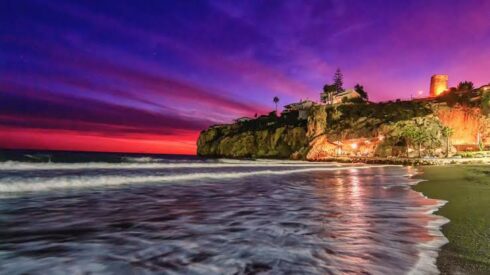
There is also much more to discover above ground. Rincon de la Victoria boasts almost eight kilometres of coastline, and its seafront promenade is lined with restaurants and chiringuitos serving fresh seafood, including the area’s famous boquerones victorianos – a local variety of anchovy.
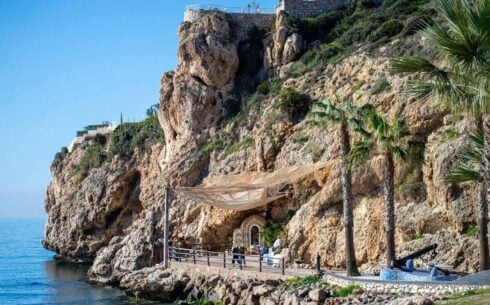
History buffs can visit the 18th-century Bezmiliana Fort, built under Spanish King Carlos III to defend the coastline against pirate attacks.
And further inland, the village of Benagalbon is home to an exceptionally well-preserved Roman villa, featuring mosaics and remains that date back almost 2,000 years.
So no, Rincon de la Victoria is no one-trick pony.
Though, granted, the Cueva del Tesoro – and its tantalising promise of wealth beyond belief – are likely to hold the greatest appeal for visitors.
Click here to read more Spain News from The Olive Press.