
IT is not widely known that Britain once had a prime minister who was assassinated.
In the year 1812, Spencer Perceval was shot dead by a madman named Bellingham who entered the Houses of Parliament carrying a pistol. There were no security checks back then.
Neither were there any long-drawn-out legal appeals: Bellingham went to the gallows nine days after shooting the leader of the government.
Two pointless deaths.
Assassination, as opposed to plain murder, is an illegal killing which has a political motive. In its history, Spain has lost two prime ministers to assassins.
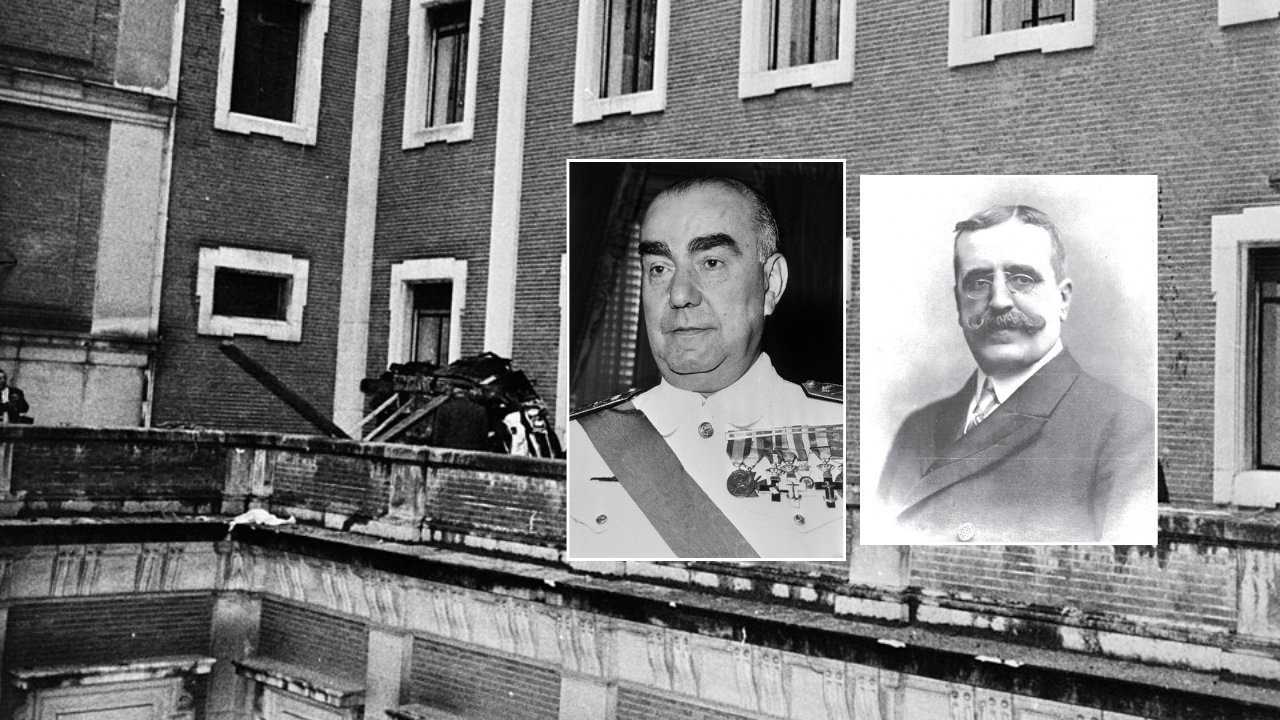
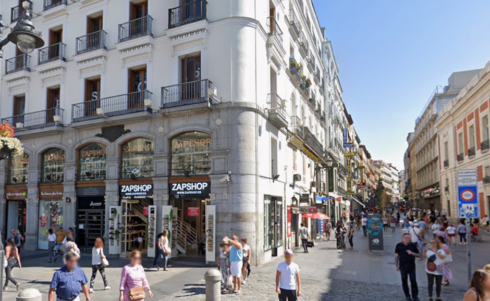
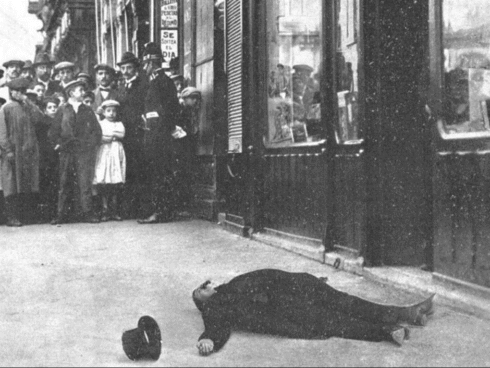
Jose Canalejas y Mendez was the leader of the Spanish liberal party. On November 12, 1912, he was browsing in a bookshop in Madrid’s Puerta del Sol.
This was the age of Anarchism.
A violent version of Communism, it argued that the best way to help the people was to kill the present ruling class. It was by no means confined to Spain: eleven years earlier, American president William Mackinley had been murdered by an anarchist in the city of Buffalo, New York.
An anarchist by the name of Manuel Pardiñas was lurking nearby in the Puerta del Sol, as Canalejas looked at the books in the San Martín shop.
This was revolution’s opportunity. Though there were police officers in the plaza (the Puerta del Sol is like the Trafalgar Square of Madrid), the prime minister had no specific bodyguard to protect him.
Pardiñas took out his pistol and fired three shots: the first two went astray, but the third hit Canalejas in the head, killing him instantly.
When the police heard the shots, they rapidly descended on Pardiñas and started beating him. Before they could disarm him, he turned the pistol on himself and committed suicide.
So, no revolution.
Is it ever OK to use violence for political purposes? Many readers will remember ETA.
In late 1973, Spain’s dictatorship was winding down. Franco had been in power for nearly 40 years and, now in his 80s, was obviously senile.
The Basques (whose homeland lies in the north-east of the peninsula) wanted to break away from Madrid.
ETA, the Basque paramilitary terrorist group (this was the age of terrorism, with the Red Brigades in Italy and the IRA in Ireland) argued thus: “We have never considered ourselves Spanish: we have our own laws, language and customs; many times we’ve asked politely to be set free, but you won’t listen, so now we are prepared to fight.”
They studied the movements of prime minister Luis Carrero Blanco for months, and on December 20 they struck.
An ETA unit knew where Blanco went to church every Sunday, and they rented a flat along the route.
Patiently, between August and December 1973, they dug a tunnel under the street and packed it with explosives. When their landlord asked them why the flat was always covered in clay and dust, they said they were sculptors, studying art at Madrid University.
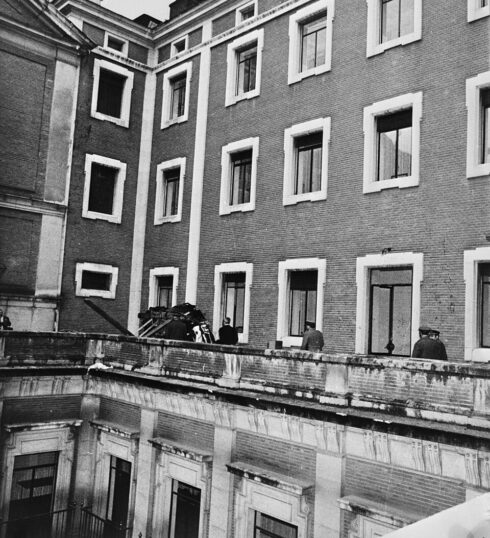
At precisely 9.36am on the fateful morning, the terrorists detonated their explosives just as Blanco’s car was passing over the improvised tunnel.
The car was flung 70ft into the air and landed on the second floor of a nearby building. Needless to say, the prime minister didn’t survive.
It could be said that Luis Carrero Blanco was a sinister figure who, if anything, was more extreme in his views than Franco was, and as the next leader of Spain he would have oppressed the Basques even further. But there are two strong arguments against this suggestion.
First, Spanish society was opening up. Tourism was bringing millions of British, Dutch and Swedish visitors to the Costas every year.
Things like fashion and popular music – and ideas – couldn’t resist the modernising influence of so many ‘liberal’ newcomers. Dictatorship had enjoyed a good run, but its days were numbered.
Second, as Clint Eastwood’s character Will Munny says in the film The Unforgiven – “It’s a damn thing to kill a man. If you kill him, you end all that he is … and all he’s ever gonna be.”
Click here to read more Spain News from The Olive Press.