

“SPAIN has ten days to decide whether to commit suicide.”
Madrid regional president Isabel Diaz Ayuso from the Partido Popular (PP) delivered that harsh warning on Thursday morning.
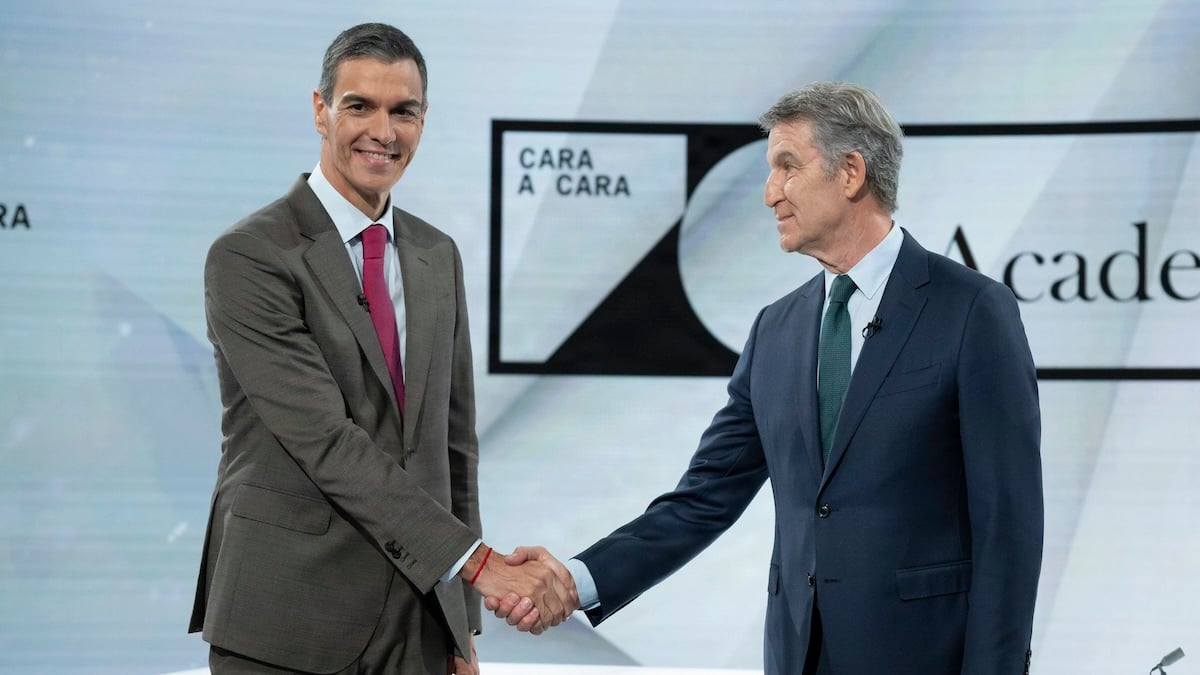
By Thursday night, the battle to remove Pedro Sanchez moved into the television studio: his only face-to-face debate with Alberto Nunez Feijoo before the November 29 election.
There, Sanchez said, “These elections are also about strengthening public services and the welfare state, or cutting them with scissors or chainsaws.”
Committing suicide, scissors and chainsaws… these are the terms that are heard more and more as we are nearing Spain’s snap elections, which by many it is called a historic one.
Former prime minister Mariano Rajoy has called it the most important election since 1978. Sanchez is warning voters that a PP–Vox government would put rights, pensions and public services at risk.
The anger had been building long before the Thursday’s face to face debate.
October brought housing protests across Spain. The November 11 general strike, the first in 14 years, drew uneven workplace support but brought large marches, police clashes and around 50 arrests.
Many are frustrated with their pay and say they cannot make ends meet. Also, news about corruption in the current government is almost every day heard and discussed in different media channels.
These all fed directly into Thursday’s face to face confrontation.
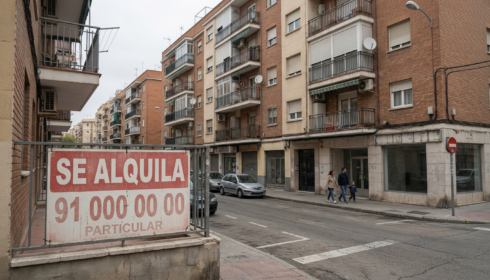
READ MORE: Spain’s rental market hits crisis point as a dozen cities list just 30 or fewer available homes

For 90 minutes, Sanchez fought to defend eight years in power. Feijoo tried to turn that record against him. An average audience of more than ten million watched.
“Spain deserves a decent prime minister, and he is not one,” Feijoo said.
Sanchez apologised for corruption cases in his party, then hit back. He accused the PP of being ‘the most corrupt party in Spain’s political system’ and promised zero tolerance.
Feijoo demanded answers about the people Sanchez had appointed. The prime minister insisted his government was clean.
Housing became another route back to corruption.
“There are more flats in corruption case files than you have built,” Feijoo charged.
READ MORE: Spain’s PM Pedro Sanchez in fierce TV election debate clash with main opposition leader Feijoo
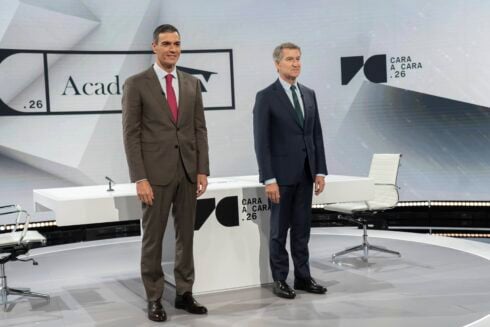
Sanchez defended measures to protect tenants and accused the PP of blocking them. “Building without regulation creates a housing bubble,” he replied.
Behind the exchange was the crisis that had already brought protesters into the streets: who could afford a home, and who was responsible when they could not?
The argument moved to payslips and food in the fridge.
“You cannot eat GDP,” Feijoo told him. He promised income-tax changes to reflect inflation and a first year without social security payments for newly self-employed workers.
Sanchez defended the economy and promised tax cuts for two million families with dependent children, alongside higher taxes on big companies and wealthy people. He also questioned who would be in charge if the PP and Vox governed together.
Then the train crashes at Adamuz and Urda brought the argument back to families who had lost someone.
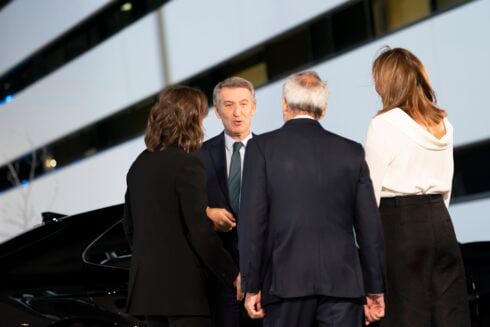
Feijoo criticised Sanchez for missing the funerals and demanded an apology. Sanchez said he would give one, calling their loss ‘a pain I will carry with me’. He then accused the PP of failing victims during earlier tragedies, including the Valencia metro crash.
By Friday, the fight had spread beyond the studio. The PP claimed a ‘five-nil’ victory. Sanchez’s government accused Feijoo of falsehoods and interruptions. Frente Amplio’s Ada Colau said the prime minister had appeared to be ‘giving up’.
Abascal welcomed Feijoo’s performance.
When it comes to the next governments, Feijoo says he wants to govern alone. His party is also preparing for possible talks with Vox, which wants enough seats to shape the next government.
Yet Feijoo was already warning his supporters against celebrating too soon.
“We have won a debate, but we have not yet won the election,” he told Friday’s Tenerife rally.
The polls explain the caution. A 40dB survey for El Pais and Cadena SER, published on Nov 20 found 43% judged Feijoo the debate winner, against 33.3% for Sanchez. Its voting estimate put the PP just 0.7 points ahead.
Both surveys put the PP narrowly ahead. More in Common interviewed people before the debate; 40dB mixed interviews from before and afterwards. El Pais reported that 40dB projected 189 seats for the PP and Vox together, above the 176 needed for an outright majority.
Housing is one of the main concerns shaping Spain’s election campaign, with anxiety growing particularly among left-wing voters.
More in Common’s November poll found that 62.9% of those identifying as left-wing named housing among the country’s main problems, up from 55.2% in October.
National concerns
Housing also ranks among the three leading concerns for voters in the centre and on the right, making it an issue that cuts across political divisions.
Immigration is the leading concern among right-wing voters, with 61% identifying it as a major problem, compared with 55.8% a month earlier.
It also tops the list among voters who place themselves in the political centre.
Corruption is another shared concern for these two groups, ranking second among right-wing voters and third among centrists.
Inflation completes the country’s three main concerns overall, alongside housing and immigration.
However, the priorities differ by political outlook: left-wing voters rank healthcare second and inflation third, behind housing.
The More in Common report finds that each group’s three leading concerns remain unchanged since October, but worries about housing on the left and immigration on the right have intensified as polling day approaches.
The final week brings more interviews, rallies and a debate between eight party spokespeople. Sanchez has recorded a video with YouTuber Plex; Feijoo is due to record his on Monday.
Click here to read more Spain News from The Olive Press.