
SPAIN has about 7,500 km of coastline and more than 3,000 beaches, beaches which come in all shapes and sizes, from rocky coves and jagged cliffs to white sandy beaches—the longest of which is found in Andalucia.
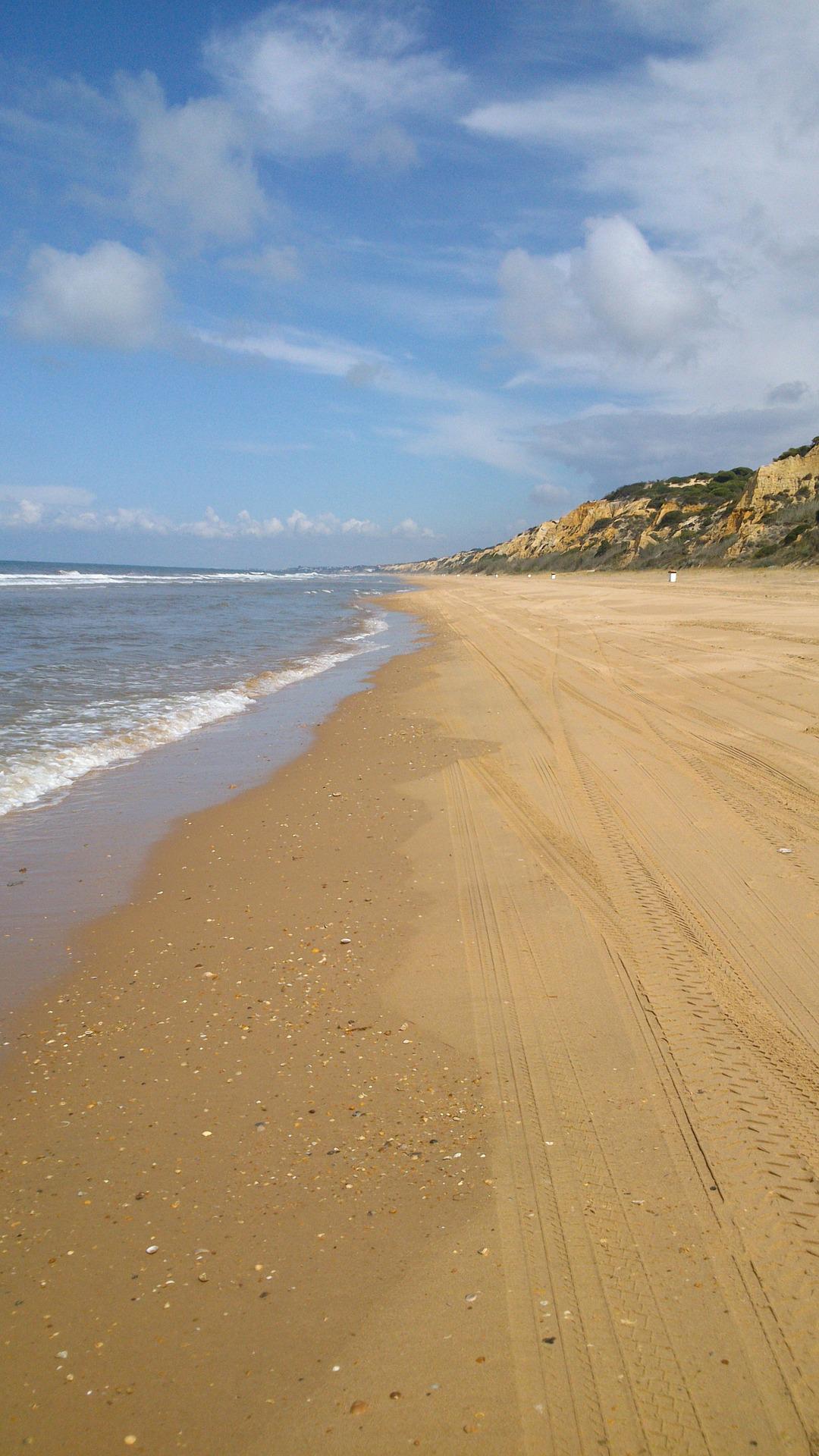
Straddling the provinces of Huelva and Sevilla sits Doñana National Park and the Doñana Beach (Almonte), an immense sandy area that stretches for 28km along the coast of Huelva, is officially the longest beach in Spain.
In fact the coasts of Doñana National Park offer a total of 60 km of long beaches, considered one of the wildest, natural coastlines in Europe.
As Doñana Beach is in a protected area, some parts are of restricted access. However, in spite of this, it is still possible to enjoy plenty of unspoilt areas of the beach.
The only inhabitants to be found in the area are the wild animals that make this sandy paradise their home.
The most abundant are coastal birds such as gulls, black-legged terns, oystercatchers and sandpipers. And sometimes reptiles such as lizards, or even mammals such as foxes or wild boars often go to the sandy shore in search of food.
Additionally, along the wild coastline there are three 16th century watchtowers that have become a refuge for peregrine falcons.
READ MORE:
- Beach nourishment: Spain’s Malaga to receive 300,000 m3 of sand in effort to restore sand loss due to recent storms
- Spain’s Andalucia achieves all-time record for number of blue flags awarded this year
Click here to read more Huelva News from The Olive Press.