
A CONTROVERSIAL plan to redraw the boundaries of Spain’s iconic Doñana wetlands has been put on ice after a major court admitted a legal challenge from conservationists.
The Audiencia Nacional has stepped in to freeze a government-backed plan that experts fear would ruin the nature reserve.
Judges agreed to hear an appeal from WWF Spain against the move, which automatically suspends the project for now.
The Ministry for Ecological Transition first sparked fury when it approved a plan to redefine large parts of the marshland as tidal terrain.
Scientists hit back immediately, claiming the ministry is flat-out ignoring decades of hard evidence.
A massive coalition of experts and regional leaders have come out swinging against the new maps.
The Junta has already launched its own legal battle to protect the UNESCO-listed site.
Top groups like the Estacion Biologica de Doñana and the Confederacion Hidrografica del Guadalquivir are also sounding the alarm.
The whole row boils down to a simple question: what actually is Doñana?
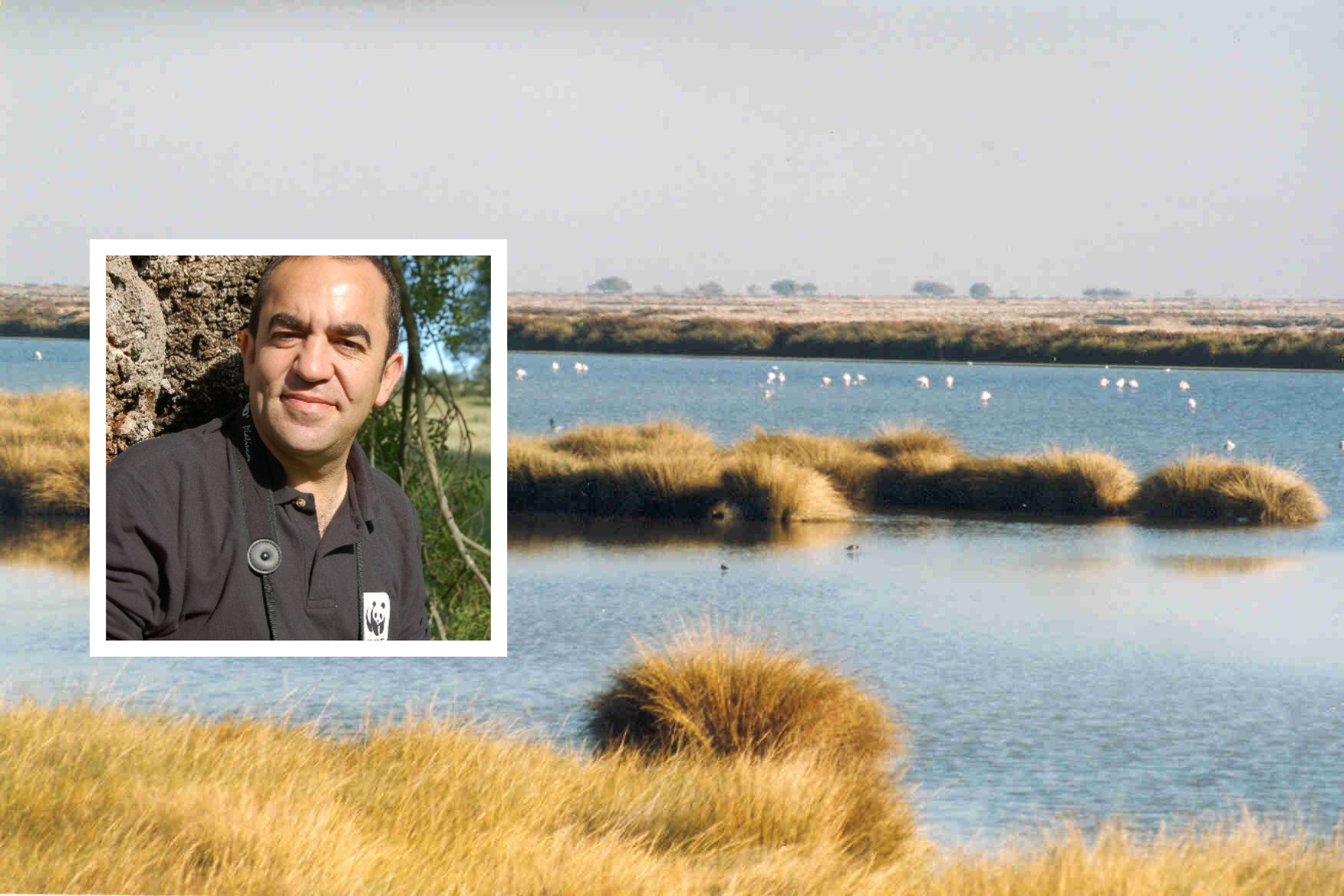
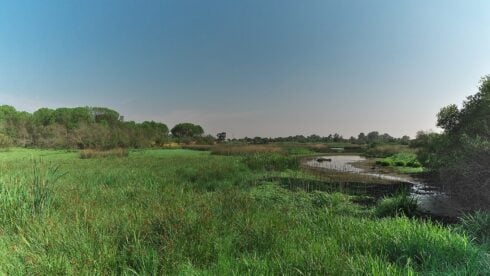
Rain and rivers feed these freshwater wetlands, making them a unique haven for wildlife.
But the government has different ideas, claiming up to two-thirds of the area is actually tidal.
READ MORE: Climbing banned in Madrid park until August to protect birds of prey during breeding season
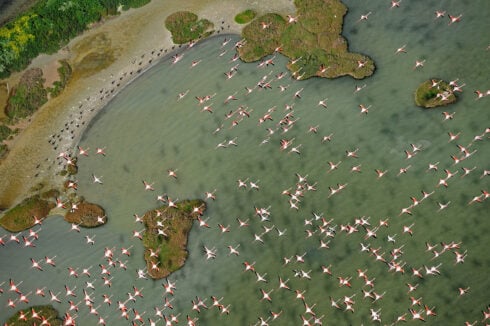
Critics fear this shift will let saltwater flood the zone and destroy the fragile ecosystem.
If the plan goes ahead, freshwater life could die off and local species may disappear forever.
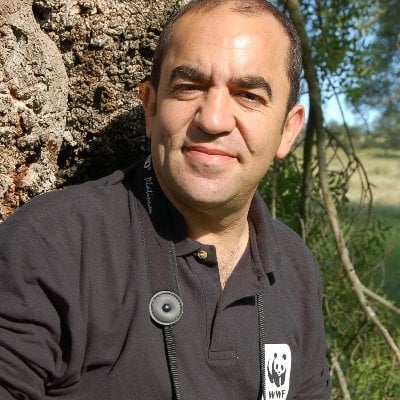
“It’s astonishing that we still have to defend this,” Juan Carlos del Olmo said.
The WWF Spain boss insists that every scrap of scientific data proves these are freshwater marshes.
“Changing the definition like this could cause irreversible damage,” Del Olmo warned.
The fight even involves the history of the mud, specifically a bank called the Montaña del Rio.
While officials claim workers built it in the 1980s, scientists say they are wrong.
The government argues a man-made bank proves the land should be tidal, but Del Olmo says the formation is natural.
More than 270 scientists have now signed a letter to block the ministry’s plan.
Campaigners are demanding that the government bins the project and starts again from scratch.
“We’re asking the ministry to listen to the science,” Del Olmo said.
He warned that a long court battle will only delay vital work to save the park’s biodiversity.
Click here to read more News from The Olive Press.