
WITH a population of just 1,045, the tiny municipality of La Alberca, nestled on the southern edge of Salamanca province, is easy to miss.
But what it lacks in size, La Alberca makes up for in rustic charm, cultural vibrancy and historical intrigue.
With its picturesque medieval streets, centuries-old customs and vibrant gastronomy, La Alberca welcomes a steady stream of visitors – particularly during its traditional festivals and hot summer months.
In fact, this tiny settlement was the very first village to be granted the title of Conjunto Histórico-Artístico (‘Historic-Artistic Site’) in 1940 – a label since handed to a host of idyllic spots brimming with history, including the medieval walled village of Peñaranda de Duero and the northern Tenerife municipality of Garachico.
That award recognised the village’s conservation of its architecture and rich cultural traditions, which include the curious case of the Marrano de San Antón where a pig is released through the streets, cared for by residents, and then raffled away on St Anthony’s Day (June 13) every year.
And, thankfully, that tradition remains alive and well – thanks in part to local governance which has sought to protect the village’s authentic character.
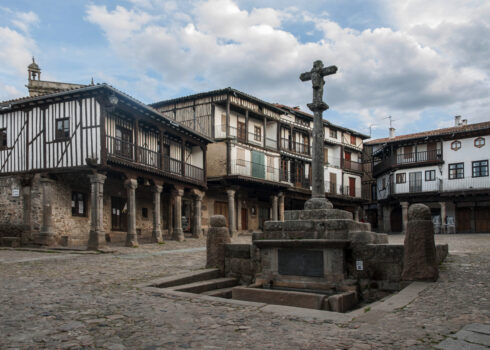
The Plaza de Mayor – the beating heart of La Alberca – is an obvious example of what makes this aldea so special.
Often lively with bustling cafes, vibrant markets or spectacular festivals, the plaza also plays host to the unique architecture that characterises La Alberca’s distinctive appeal.
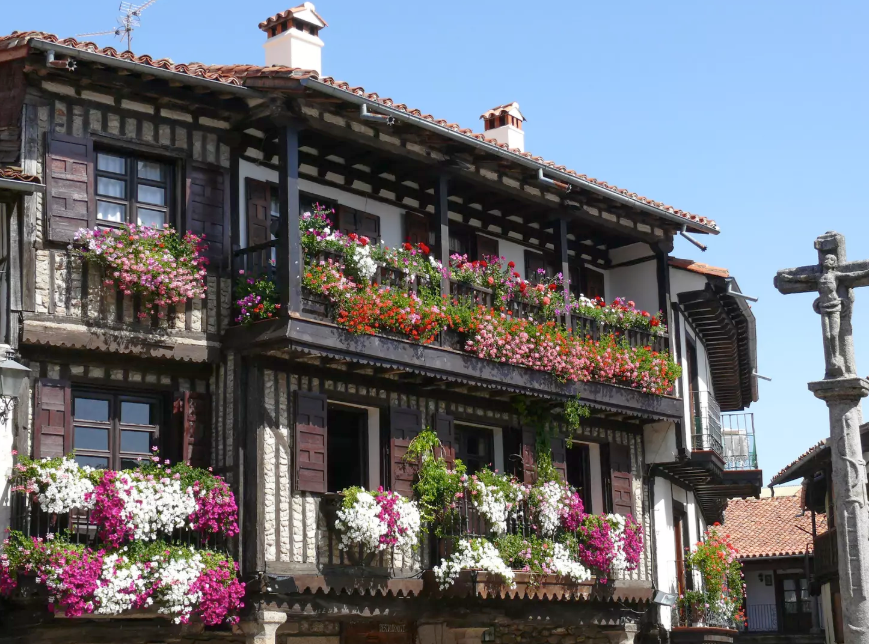
Wooden facades and balconies overflowing with bright, colourful flowers ensure an Instagram-perfect view from all angles.
And just a stone’s throw away, tourists can stumble across the local church, built in granite, and notable for its impressive size (dwarfing the rest of the village) and typically Baroque features.
So step back in time and pay a visit to this living museum where medieval traditions remain at the heart of local life.
Click here to read more Spain News from The Olive Press.