

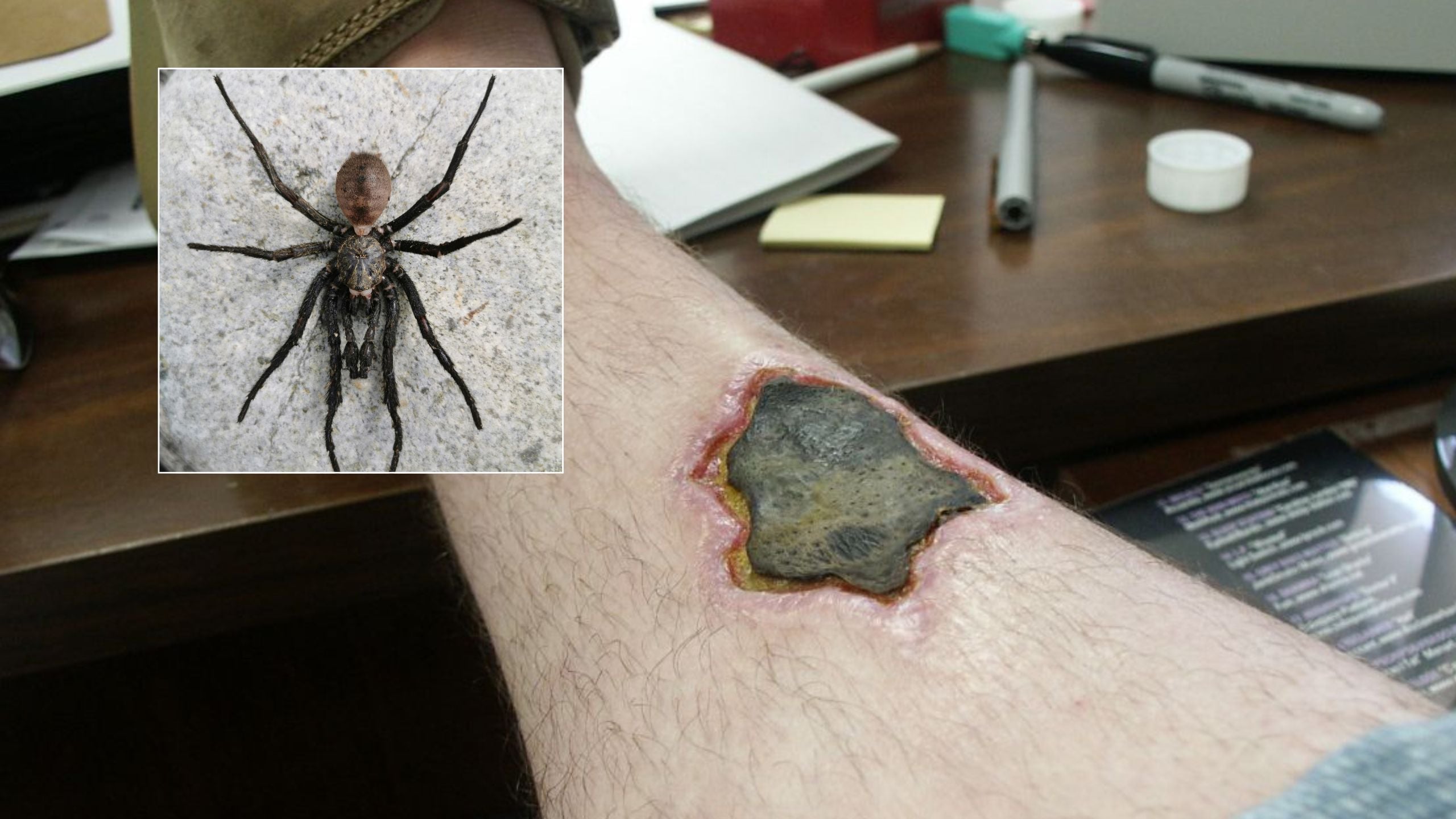
A BRITISH woman in Mallorca has spoken of the ‘awful’ impact of a recluse spider bite that left her making daily hospital visits to have dead tissue removed from her leg after unknowingly bringing the spider down from her attic.
Melissa Rowling said she had been clearing out old boxes at her home when she believes the spider bit her after hiding among shoes and handbags stored in the attic.
“I was clearing out my attic and brought down a box of old shoes and handbags to show my children,” she explained to Majorca Daily Bulletin.
“I think the spider must have been in the box. My leg was totally numb when the blister appeared.”
READ MORE: Measles outbreak in Murcia with 400 people traced following baptism ceremony
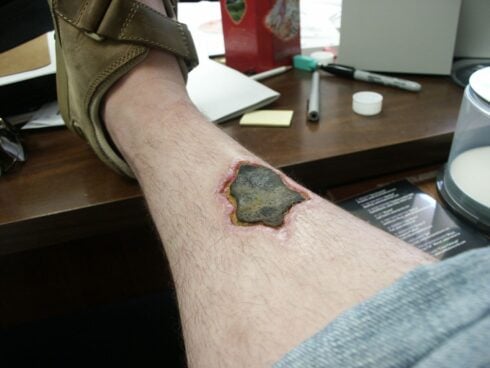
The bite later became infected before turning necrotic, meaning the tissue around the wound began to die.
Rowling has since been attending daily treatment sessions at a hospital in Palma, where doctors have been removing the damaged flesh in a process known as debridement.
She said doctors expect it will take at least another month for the wound to be fully healed.
“If I had known about the recluse spider, I would have gone much earlier to hospital instead of leaving it for two weeks,” she added.
“I had no idea they existed before this happened to me.”
The spider believed to be responsible is the Mediterranean violin spider, also known as Loxosceles rufescens.
The species is found across the Balearic Islands and is closely related to the infamous brown recluse spider.
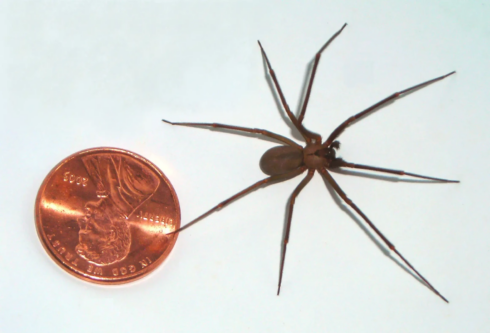
The spiders are usually small, measuring between 6mm and 20mm, and are recognised by a dark violin-shaped marking on their body.
While many bites remain mild, the venom contains a tissue-destroying toxin that can cause serious skin damage in some cases.
Doctors warn that delayed treatment can increase the risk of complications, including necrosis, fever, nausea and extended hospital stays.
Click here to read more Health News from The Olive Press.