
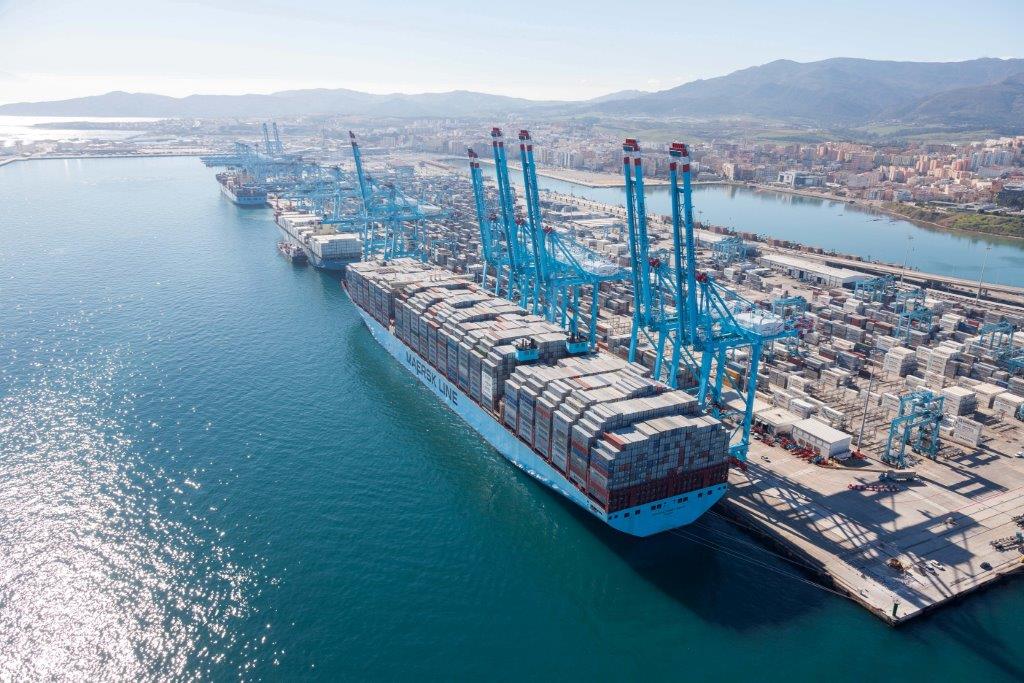
A MAJOR environmental operation has been launched after 22,000 litres of palm oil spilled into the sea from the port of Algeciras.
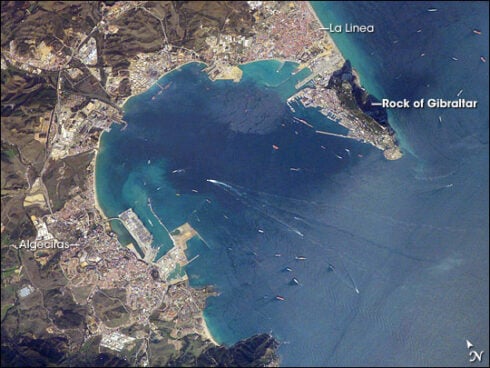
The accidental release occurred during unloading operations on Monday morning at Juan Carlos I North Dock within the port in in the Bay of Gibraltar.
A six-metre flexi-tank container, carrying non-hazardous bulk liquid, ruptured during unloading, spilling over 22,000 litres.
According to APM Terminals, the Port Authority, the incident occurred during the unloading of a container designed for transporting non-hazardous liquid bulk goods.
They quickly contained the spill by deploying protective barriers around the dock, hoping to prevent it from spreading into surrounding waters.
The spill triggered a rapid response from specialised maritime emergency teams.
Authorities confirmed they activated the Maritime Protection Plan straight after detecting the leak, allowing coordinated teams to respond on land and at sea.
The volume released raised environmental concerns due to potential risks to marine ecosystems in the Bay.
Palm oil is a vegetable oil made from the fruit of oil palm trees, mainly grown in countries such as Indonesia and Malaysia.
While palm oil is less poisonous than crude oil, large quantities can still damage marine ecosystems.
Thick layers of oil may coat birds, fish and other sea life, affecting breathing, feeding and movement.
Unlike crude oil, palm oil can solidify quickly, which changes how crews contain and remove it.
It’s less toxic than crude oil, since this is a fossil fuel with long-lasting environmental effects.

Throughout the morning, clean-up operations have been ongoing, with specialised vessels and crews working continuously to recover the spilled material and secure the affected area.
Palm oil behaves differently depending on the temperature. In cooler water it can harden into thick clumps, making it difficult to remove.
Terminal sources say the situation is now ‘under control’, though clean-up work continues as authorities assess the full extent of the spill.
The Port of Algeciras continues to operate fully, while authorities stepped up monitoring as a precaution and continued clean-up work.
Click here to read more News from The Olive Press.