SPAIN is eagerly awaiting the fate of its Iberian neighbour after Portugal headed to the polls on Sunday to elect a new president.
The incumbent president Marcelo Rebelo de Sousa, of the centre-right Social Democratic Party (PSD), has served since 2016 but is constitutionally barred from running for a third consecutive term.
According to polling data, the result of the vote is expected to be tight with a two-way runoff widely tipped to take place for just the second time since Portugal’s modern constitution was drafted in 1976.
The last pre-election survey put Antonio Jose Seguro, the Socialist party candidate, on top with 25.1 per cent of the vote.
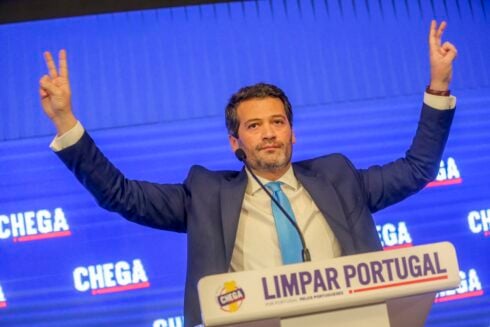
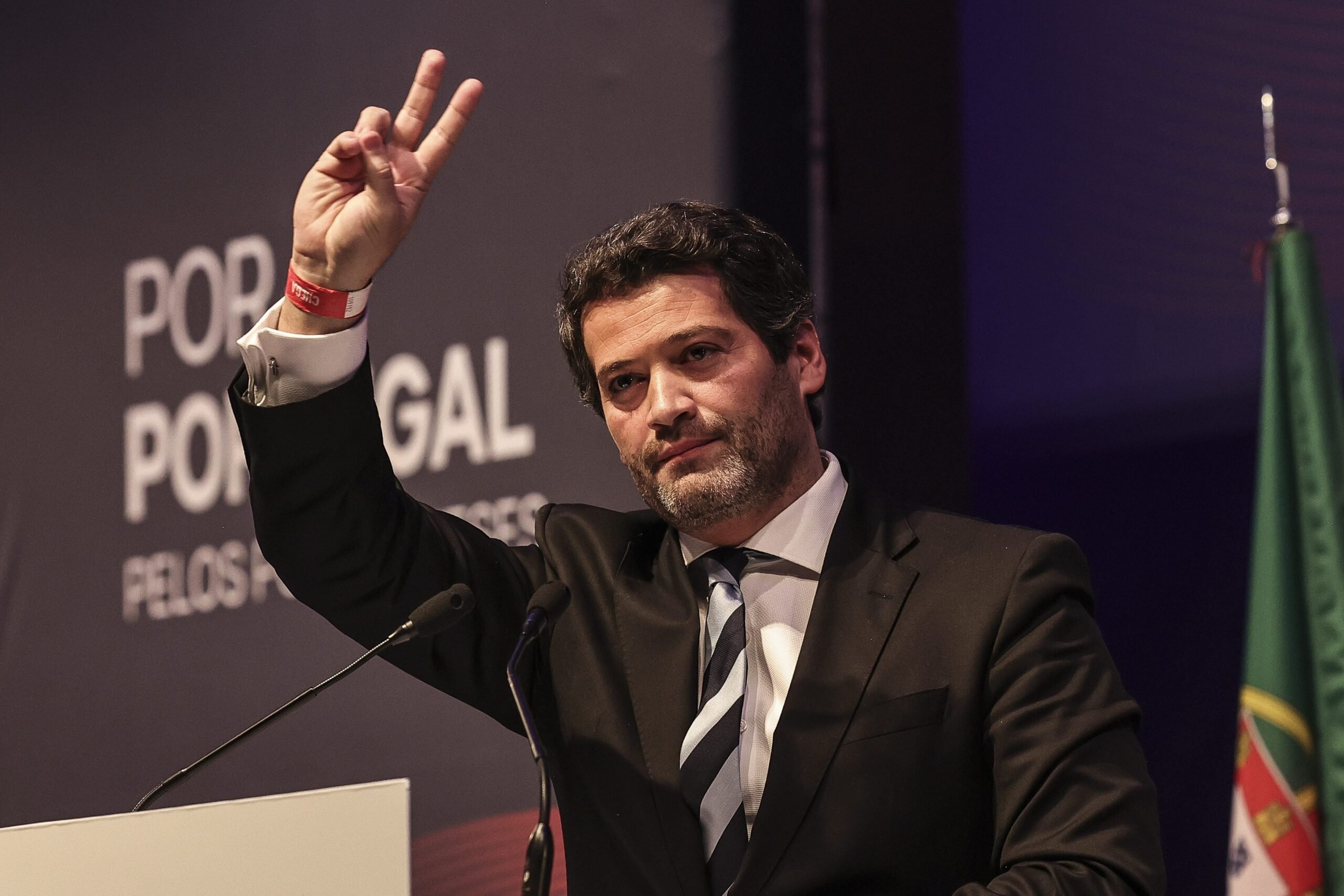
But the election could see the far-right return to power for the first time since the fascist dictatorship spearheaded by Antonio de Oliveira Salazar was overthrown five decades ago, with the poll giving the leader of populist Chega, Andre Ventura, 23 per cent of the vote.
Other polls have put Ventura – the founder of the party that now sits as the main opposition force following last May’s parliamentary election – slightly ahead, although always within the margin of error.
The most recent survey also places Joao Cotrim Figueiredo, the candidate for the conservative Liberal Initiative party, in the mix with 22.3 per cent of the vote share.
Approximately 11 million voters are eligible to cast ballots, with polling stations closing at 7pm local time and results released during the night.
As of 4pm local time, 45.51 per cent of eligible voters had cast their ballots – the highest mid-afternoon participation rate in decades and about ten percentage points above the same point in the 2021 election.
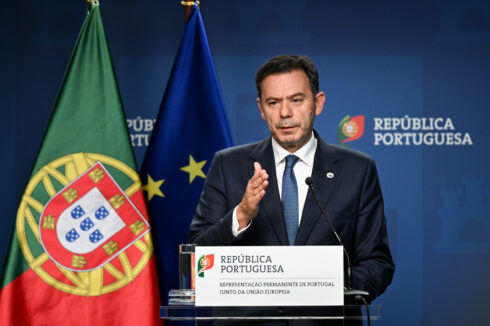
Early turnout figures by midday were already significantly higher than for previous votes, reflecting the tight, competitive and fragmented nature of this year’s contest.
If no candidate can obtain an outright majority – as is widely expected – then the election will head to a second round pitting the two most popular candidates against each other.
The presidency is a largely ceremonial role in Portugal with the prime minister, currently Luis Montenegro of the liberal PSD, wielding more power under the country’s constitution.
But the president remains a key position with the ability to dissolve parliament, call snap elections and, in some cases, veto key pieces of legislation.
If elected, Ventura has promised a more interventionist approach to the role – although the likelihood of him being elected is in doubt, with a majority of Portuguese voters likely to turn against him if he makes it into the two-way runoff.
Click here to read more Spain News from The Olive Press.