
IF you want to travel with a furry friend, Spain ranks among the worst destinations in Europe with strict and inconsistent transport rules .
Pablo Muñoz Gabilondo knows what he’s talking about when it comes to puppy travel.
Over the last eight years, he has documented his travels with his pooch Pipper on his website, Pipper on Tour.
In an interview with El Pais he said: “Spain is, sadly, the great exception when it comes to dog-friendly travel.”
The main difficulty when travelling with a four-legged-friend is transport, he reports.

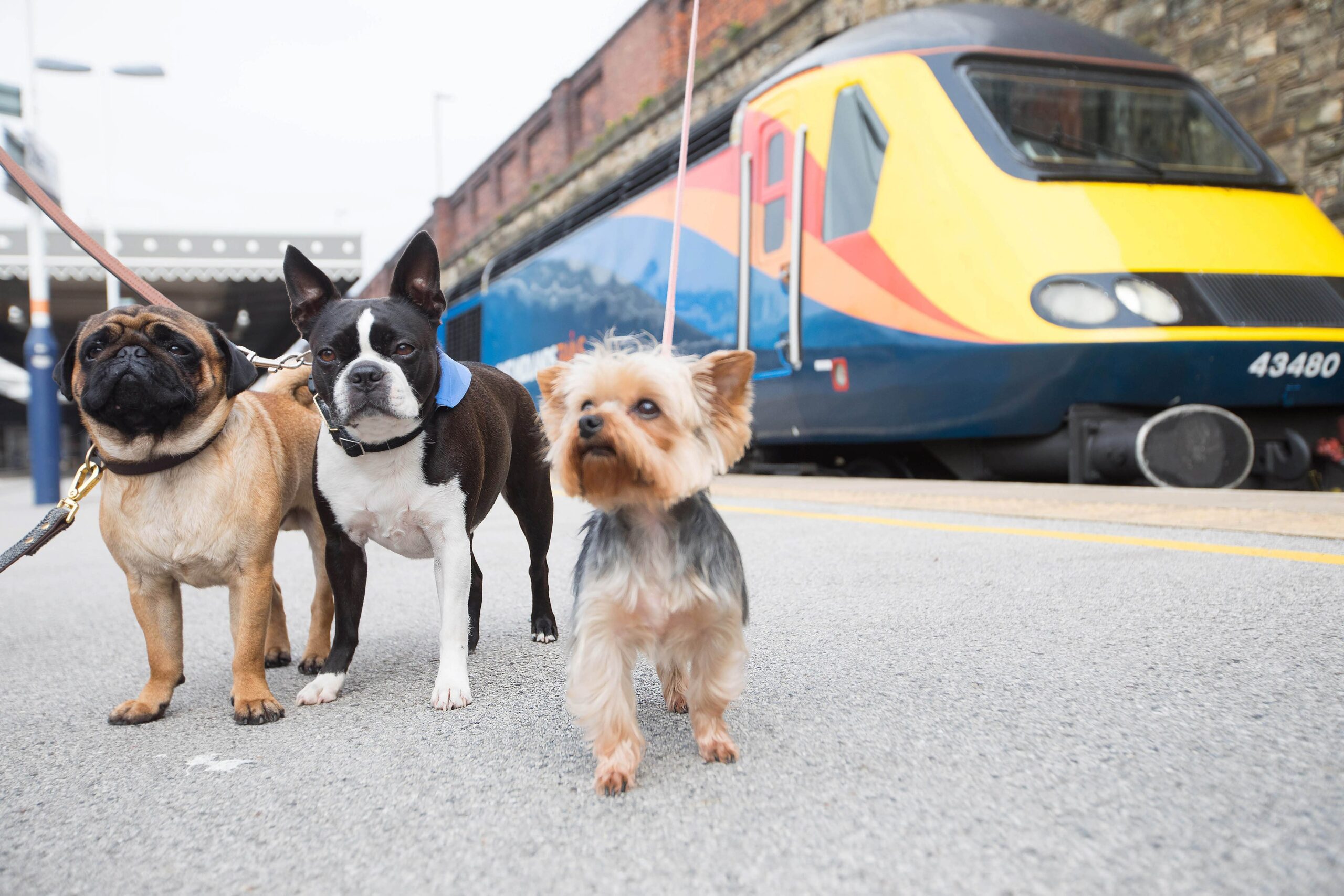
Long-distance trains only allow dogs under 10kg in carriers.
Chihuahuas and dachshunds make the cut, but this restriction excludes most breeds and their owners from travel.
Renfe has launched a pilot project allowing large dogs of up to 40kg on specific high-speed routes (Madrid-Alicante, Madrid-Barcelona, Madrid-Malaga, Madrid-Valencia, Madrid-Zaragoza, Madrid-Granada and Madrid-Seville).
The scheme has been successful but has yet to be extended to the rest of the network.
Depending on the city, transport rules can differ drastically.
The metro is key in any tourist itinerary, but only 4 of Spain’s 8 metro systems allow dogs (Madrid, Barcelona, Palma, Granada).
While in Alicante, Bilbao, Seville and Valencia man’s best friend is barred from travel.
Even within cities rules vary by operator. In Bilbao, dogs can travel on only one of three metro lines.
The tide could be turning, however, as pet-friendly tourism is increasingly seen as an opportunity.

One in three Spaniards have a canine companion at home and Spain’s cities are starting to reflect this with more pet-friendly establishments.
Pamplona has gone from having none in 2018 to around 20 today .
Meanwhile, in Seville there are now 50 options, a rise from just five in 2018.
Pet-friendly accommodation is also easier to come by.
According to Booking.com, 27% of Spanish accommodation accepts dogs.
However, check the fine print as some breeds may be excluded and common areas may be out of bounds for your furry friend.
Gabilondo still thinks that Spain has a lot of catching up to do to reach its European neighbours.
He said: “We have been to Switzerland, which is like the future: you pay an annual tax for your dog and you need to take a training course to own one.”
Click here to read more Animals News from The Olive Press.