
MARISOL
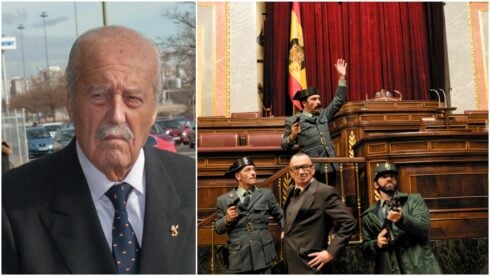
Even today, sixty years after her heyday, “Marisol” is well-known to everyone in Spain.
That toothy grin, that big voice – and such a pretty child! Josefa Flores, to give her her real name, was born in Málaga on 4 February, 1948.
By the age of 12 Pepa (girls named ‘Josefa’ are routinely nicknamed ‘Pepa’) was a film star.
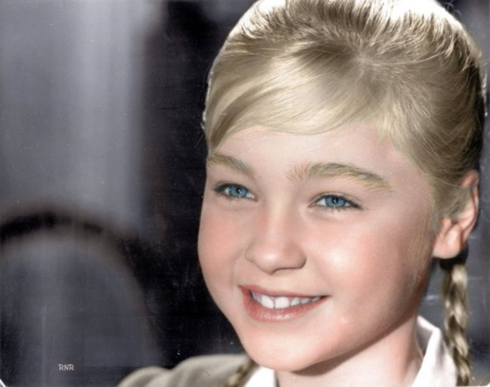
She was just what the Spanish public wanted. People were tired of black-and-white bullfight movies, and guys in sombreros.
The 1960s were dawning, and here was a kid who could belt out a song and was … blonde!
The smouldering Andalucian “look” appeals to us (curly black locks), but Spanish people yearn for fair hair.
Pepa Flores (stage name, ‘Marisol’) burst onto the cinema screen in bright, fresh, optimistic colour. And she was a natural blonde.
Today, Pepa (77) still lives in her native city, Málaga. She sees her life and career in terms quite different from the ‘iconic’ image portrayed in the media.
She feels that her serious work as an actress has been ignored, as has been the sexual abuse she suffered, back when she was Spain’s ‘perfect’ daughter.
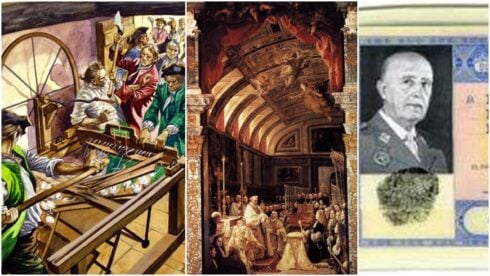
MARUJA MALLO
Ana María Gómez is as lacklustre a name as a Spanish girl can have. This girl wanted to be a surrealist painter, so she invented a much better name – ‘Maruja Mallo’.
She was a gallega (native of Galicia) and, incidentally, one of fourteen children.
Maruja moved to Madrid in 1922 to study art. She was 20 years old.
Quite a character, she hung out with Salvador Dalí, had affairs with poets Rafael Albertí and Miguel Hernández, and on one occasion, to show her contempt for the Catholic hierarchy, rode a bicycle into church during Mass.
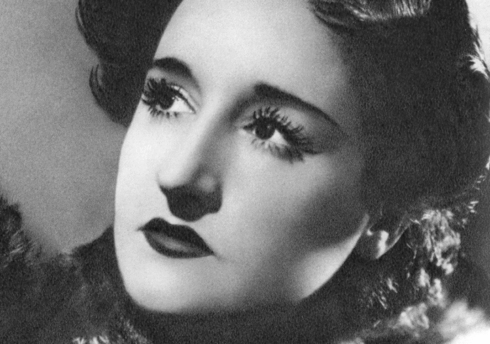
In the first half of the 20th century, men were expected to wear the flat sombrero – the “cordobés” – in the street, and women were supposed to go bareheaded.
When Maruja formed a group of women artists in 1927, she named her movement “las sinsombrero” (the hatless girls).
By 1932, she was mounting her own exhibitions in Paris. But her career was ruined by men. The Spanish Civil War forced her to flee to South America (wars are a ‘man’ thing).
Art critics (all men) either ignored her or concentrated on her love life, rather than her work.
Maruja was in her sixties when she was able to return to Madrid. She died there on 6 February, 1995.
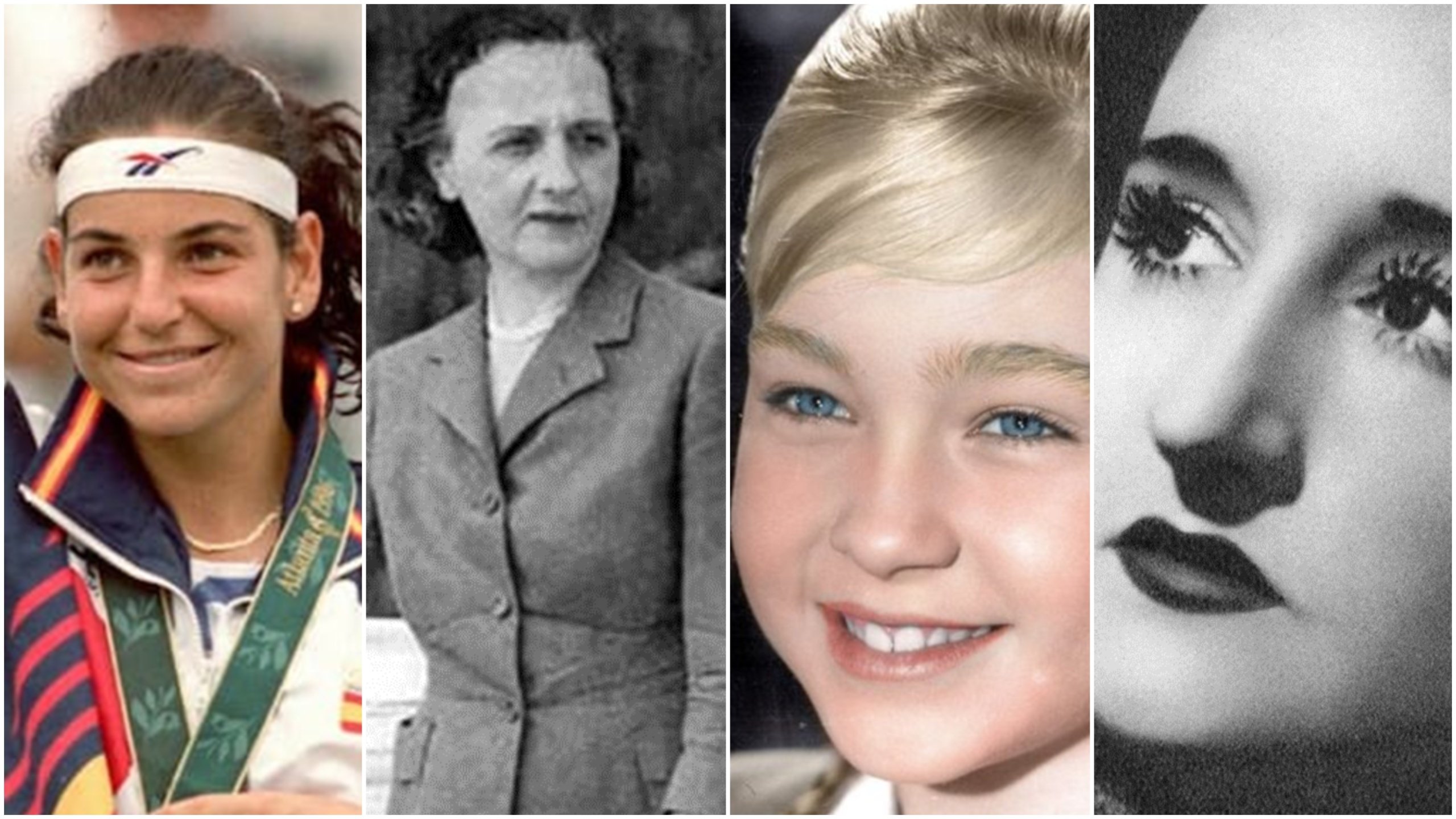
MARÍA ZAMBRANO
It’s not often we get to talk about philosophers in The Olive Press, and it’s even rarer that female thinkers get a mention.
María Zambrano was born in Vélez-Málaga in 1904, and died in Madrid on 6 February, 1991.
María was what used to be called a ‘blue stocking’ – a highly intelligent, ‘bookish’ woman who had no time for masculine silliness.
She taught metaphysics at university and was offered the chance to become a Spanish MP. She turned it down because the attention-grabbing antics of male politicians irritated her.
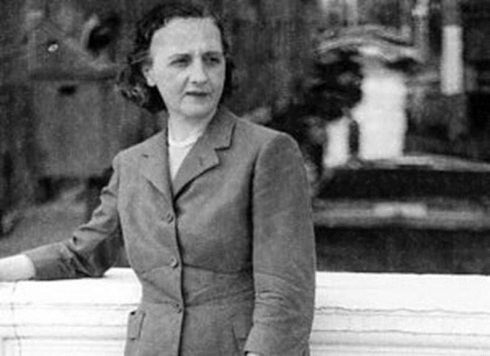
María got out of Spain during the Franco dictatorship, returning in 1984 – nine years after Franco’s death, when she herself was 80 years old. Having lived in France, Italy and Mexico, she had built up an international reputation.
She is buried in her hometown of Vélez-Málaga, and today the most important rail terminal in Andalucía is named in her honour.
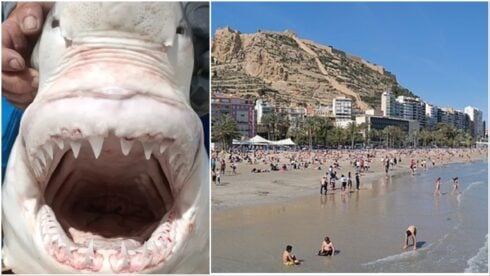
ARANTXA SÁNCHEZ VICARIO
On 6 February, 1995, Spanish tennis player Arantxa Sánchez Vicario was pronounced the world’s number one – and with good reason.
Barcelona-born Arantxa won just about everything tennis had to offer. She went on to dominate the women’s game in the 1990s.
Women’s doubles, Grand Slam? She won six of them. Mixed doubles? She picked up four Grand Slam medals (remember – ‘Grand Slam’ means, you won the world’s four big ones – Wimbledon, France, Australia and the USA – in the same season!).
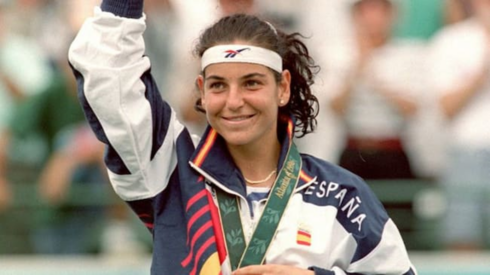
Thanks to her, Spain won the Fed Cup four times in the decade (she personally triumphed 72 times in Fed Cup matches – a record).
Before she retired in 2002 (aged 30), she won 29 singles and 69 doubles titles.
Is she in the tennis Hall of Fame? As the Spanish say, “¡Por supuesto!” (Of course!)
Click here to read more La Cultura News from The Olive Press.