SPAIN experienced its second darkest January on record in 2026 since records began in 1982, with the least sunlight since 1996.
In a month where a series of storms wreaked havoc, the Iberian Peninsula received 29 fewer hours of sunshine than average, as meteorological researcher Dominic Roye has revealed.
In a typical January, Spain receives about 185 hours of sunshine, though this varies by region.
Northern provinces usually see between 100 and 120 hours, while southern areas can enjoy up to 270 hours.
This year, nearly the entire country fell below those averages, except for Murcia, Almeria and the Balearic Islands which remained in the average range.
Galicia was hit hardest with steep declines.
In Santiago and Vigo, sunshine hours dropped by 50% and 48% respectively, while Madrid saw a 20% decrease, Seville 30%, and Burgos 40%.
Roye warned that decreased sunlight can lead to low mood or seasonal affective disorder (SAD).
“It has a physiological effect but also a psychological one, because it often depresses us, especially those of us who live further north,” he said.
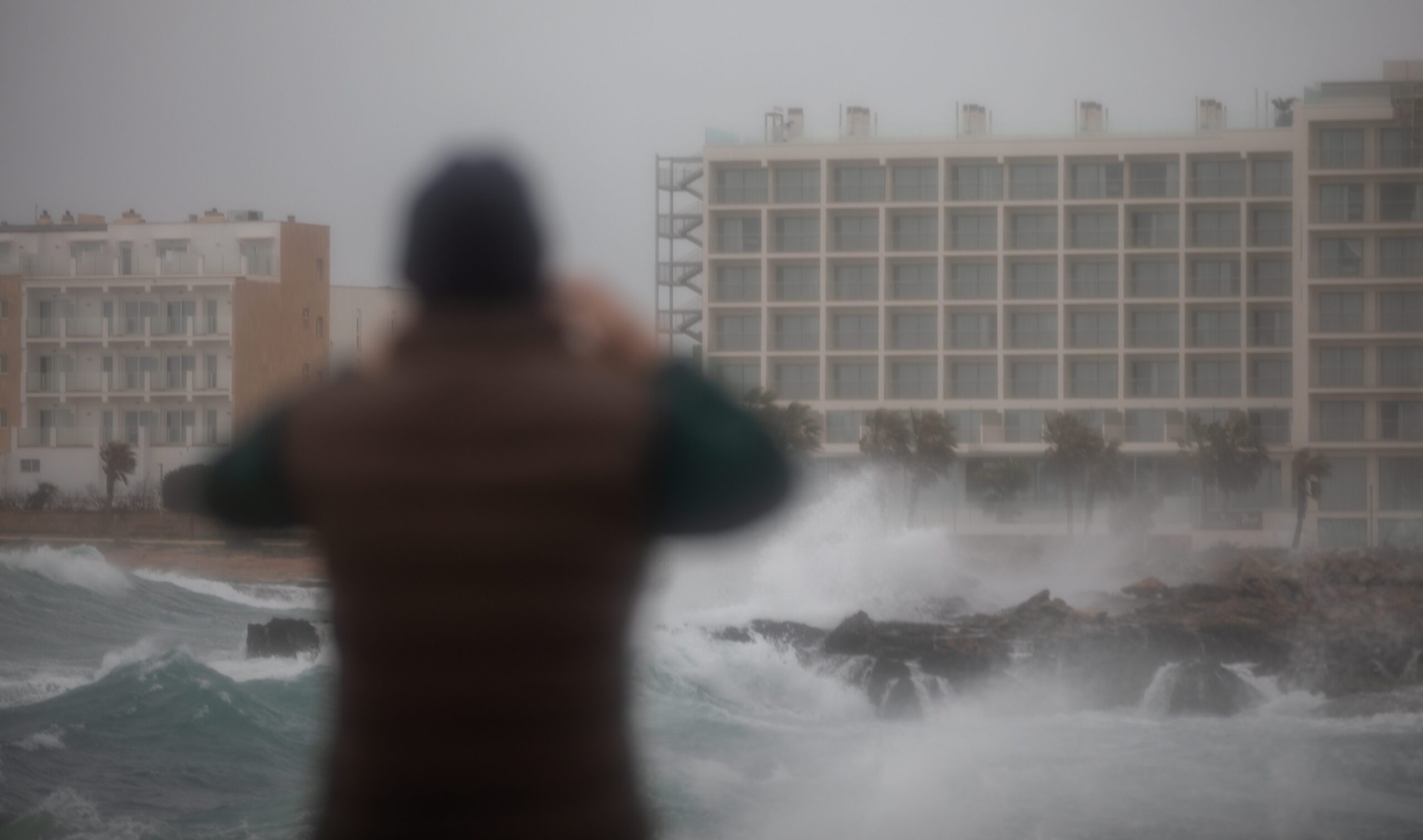
The rapid succession of storms is behind the decline bringing sustained cloud cover and rainfall.
Storm Marta, named on February 5, 2026, set a new record for reaching the letter ‘M’ earlier than ever.
Previously, the earliest ‘M’ storm was Myriam on March 3, 2020.
Click here to read more Weather News from The Olive Press.