

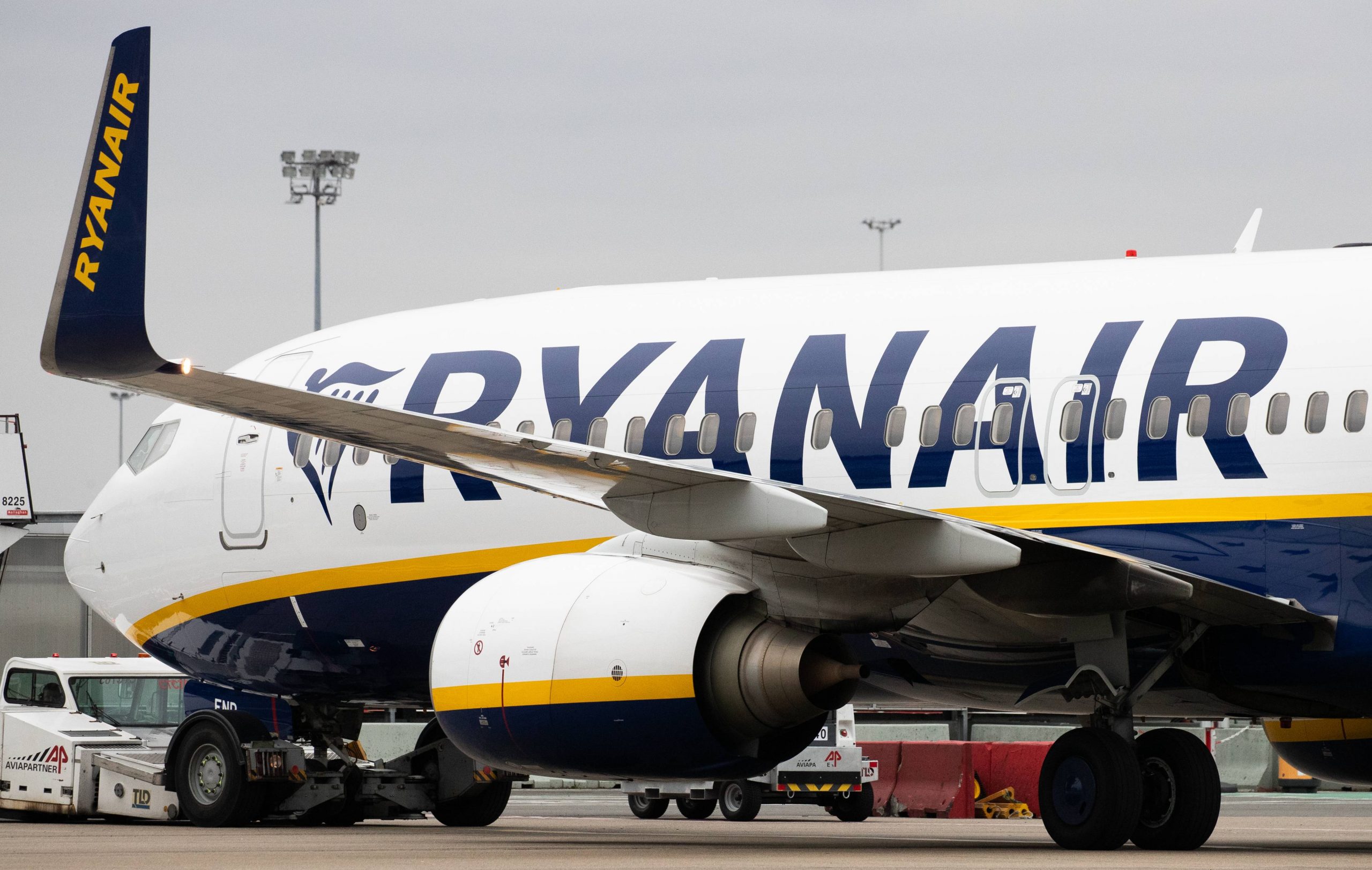
RYANAIR has called on Spain’s Ministry of Transport and the CNMC competition watchdog to block proposed airport tax hikes totalling 21% over the next five years.
The Irish company has threatened more cuts to regional airport services and described airport operator Aena’s proposal as ‘excessive’- accusing it of profiteering at the expense of Spain’s economy, tourism, and connectivity.
Ryanair CEO, Eddie Wilson, said: “Next winter we will make further cuts to regional airport services and I remind you that our total traffic in Spain for this summer will only grow by 0.5% compared to 9% in Italy, 11% in Morocco or 20% in Poland.”
READ MORE:
- Spain to spend €13bn on mega airport upgrades – as Ryanair slams ‘rip-off’ fees
- Ryanair bumps up the number of seats to Spain it is slashing next summer to 1.2m – and kills off Asturias completely
- Wizz Air joins the rush to swoop in on Ryanair’s retreat from Spain with 40 new routes

“Aena’s proposal to increase fares by 21% is regrettable, but not surprising, as this airport monopoly has a history of applying the highest fares at the expense of traffic development, especially at Spain’s regional airports, which are 70% empty,” stated Wilson.
“Aena’s excessive proposal is the result of a fictitious consultation process during which airlines have spent the last four months providing detailed information, only for Aena to ignore these contributions in their entirety and announce that it would maintain the same ridiculous investment proposal of €13 billion that it announced last September- even before the ‘consultation’ began, he added.
His comments are the latest blast in an ongoing war between the Iow cost airline and Spanish authorities, which saw the company pull out or slash services last year at ‘unprofitable’ regional airports.
Eddie Wilson continued: “If approved, Aena’s latest proposal would be a major turning point for Spanish tourism, as the excessive increase in fees by 21% will make even the most popular airports in Spain uncompetitive.”
“Ryanair is the only airline in Europe that has 300 aircraft on order for the next decade and can generate significant growth, but with this proposal, these aircraft will simply go to other places in Europe where rates are more competitive,” he warned.
Click here to read more Business & Finance News from The Olive Press.






Ryanair are a terrible airline. They are using heavy handed tactics bordering on blackmail. They complain about airport services but when AENA invest, which takes money and needs paying for, they moan. I’m sure if Ryanair leave, another airline will pick up the slots. So Ryanair lose, no tears here.
We live in Spain within sight of Alicante airport and watch thousands of planes coming and going every year.Spain makes sufficient income from tourism, the backbone of the country, thanks to airlines such as Ryanair and EasyJet.
I don’t think that these airlines should be penalised when they bring in an enormous amount of revenue,plenty to pay for any upgrades to one airport as an example.Spain’s GDP in one of the highest in Europe but they continue to hike taxes and everyday cost of living.I won’t start on corruption within the government.
Give them a break!
Plenty of other airlines that will take up the slack. Ryan Air is among the worst airlines in the world. The CEO is an arrogant greedy customer unfriendly sole. He said he would love to do away with customers. So beit.