
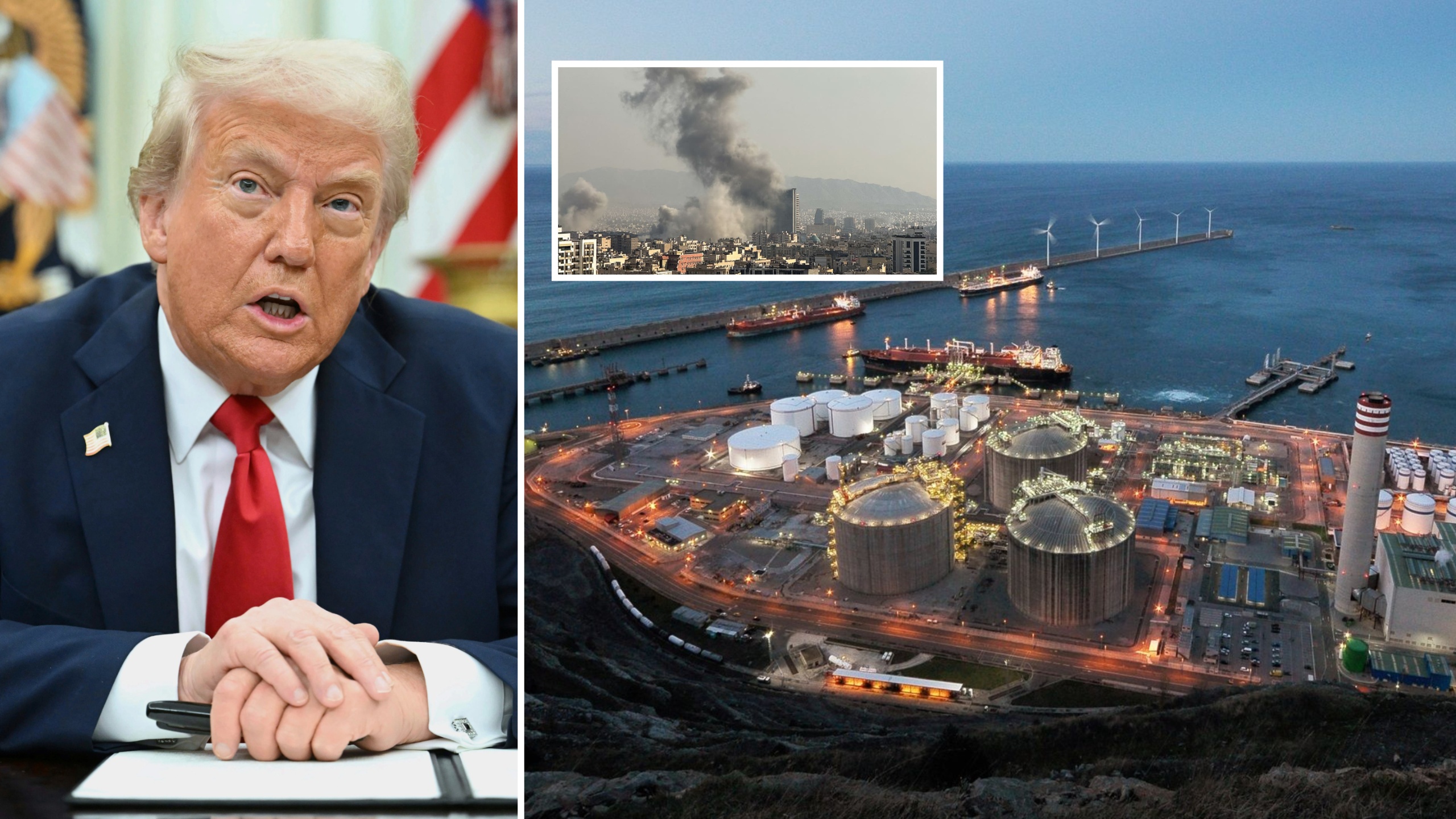
EUROPE could be facing an energy crisis that dwarfs the 1970s oil shocks, bringing back the nightmare post-Covid years of rampant inflation and supply chain shocks.
Brent crude surged past $114 per barrel on Sunday night – capping the largest weekly oil price gain since futures trading began in 1983 – after the United States and Israel launched Operation Epic Fury nine days ago.
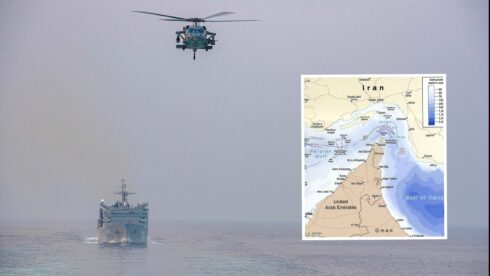
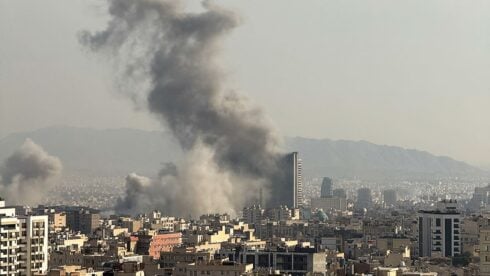
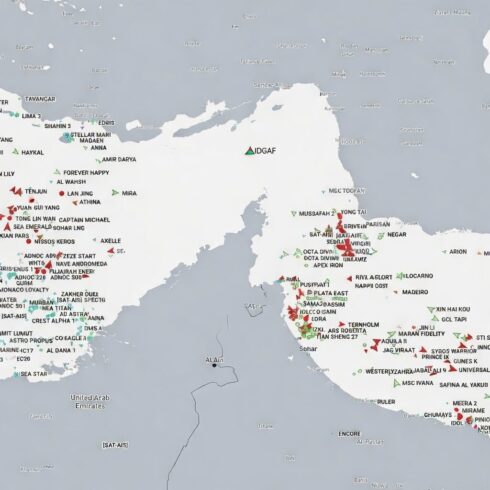
The Strait of Hormuz, through which roughly 20% of the world’s oil and liquefied natural gas passes daily, is now effectively closed to commercial shipping.
Gulf producers including Iraq, Kuwait and the UAE have begun physically shutting down wells because, with tankers unable to move, they have nowhere to send the oil.
The Strait also carries some 45% of global urea fertiliser supply, meaning the disruption threatens supermarket food prices just as badly as fuel costs.
Bypass pipelines can reroute only 2.6 million of the 20 million barrels that normally flow through each day, according to the Atlas Institute for International Affairs.
Iraq, Kuwait and Qatar have no alternative export routes at all.

So just how bad could it get for Spain – and how long might it last?
Spain enters the crisis in better shape than most of Europe.
Renewables accounted for 55.5% of Spanish electricity generation in 2025, according to grid operator Red Electrica, and the country imports most of its oil from the Americas and Africa rather than the Gulf.
Its natural gas arrives largely via pipeline from Algeria, not by LNG tanker through the Strait.
But oil is priced on global markets regardless – and Spanish inflation was already heading toward 3% before a single missile was fired.
Here are the five scenarios for how this plays out.
SCENARIO 1: Swift resolution – two to four weeks
The US neutralises Iran’s drone capability quickly enough for shipping to cautiously resume.
Iran’s intelligence ministry has already reached out indirectly to the CIA through a third country to discuss terms, according to the Jerusalem Post.
If a ceasefire holds, oil spikes to between $120 and $130 but falls back within weeks.
For Spain, this means a sharp but temporary squeeze – €1.70-per-litre petrol comes back relatively quickly, and grocery inflation stays in the 5% to 10% range.
But this scenario looks unlikely.
President Trump has demanded ‘unconditional surrender’ from Iran, while foreign minister Abbas Araghchi told NBC News that Tehran is not seeking a ceasefire and has no plans to negotiate.
SCENARIO 2: Partial reopening – one to three months
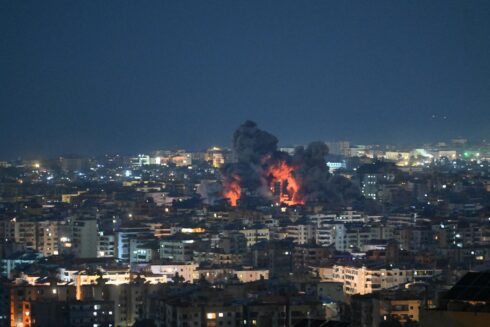
A military stalemate. Some vessels trickle through with naval escorts but the broader commercial market stays frozen.
As Lloyd’s List observed, the Strait is a genuinely closed chokepoint – unlike the Red Sea, there is no alternative route, and the insurance dynamics that shut down traffic are far harder to reverse than the military threat itself.
Oil settles in the $100 to $130 range. Food inflation hits 10% to 15% and electricity costs rise moderately.
Spain’s renewables provide a real buffer. German spot gas has already hit €60 per megawatt hour — roughly six times the US price, according to Holger Zschaepitz of Die Welt. Spain will not see that kind of gap.
Oxford Economics lead Spain economist Angel Talavera predicted Spain would hit 3% inflation before the war even broke out – that starts to look conservative.
European tourism, a pillar of Spain’s economy, weakens as jet fuel costs climb.
SCENARIO 3: Prolonged closure – three to six months
The war drags on without resolution. Gulf producers remain shut in for months.
Senior portfolio manager Hakan Kaya at Neuberger Berman has warned that a closure lasting a month or more could push European gas prices toward the crisis levels of 2022.
The fertiliser shock kicks in. With nearly half of global urea supply disrupted, food prices follow energy prices upward.
Oil oscillates between $120 and $160. Food inflation reaches 15% to 25% and the Spanish government is likely to intervene with price caps and subsidies, as it did in 2022.
Spain’s structural advantages hold partially – its gas comes from Algeria, and much of its oil from Nigeria and Venezuela via Repsol. But a European recession drags everyone down regardless.
This is where the balance of probability currently sits.
SCENARIO 4: Escalation — three to 12 months
The war widens and physical infrastructure is destroyed.
Qatar’s LNG facilities have already been struck by Iranian drones. Desalination plants in Bahrain – on which some Gulf countries depend for 90% of their freshwater – have been targeted.
If Saudi or UAE export infrastructure is badly damaged, the crisis deepens sharply.
Qatar’s energy minister Saad al-Kaabi has warned the Financial Times that prolonged disruption could push oil to $150 per barrel and ‘bring down the economies of the world’.
This would mean deep recession even for Spain, a collapsing tourism industry and sharply rising unemployment. Its structural advantages cannot fully cushion a shock of this magnitude.
SCENARIO 5: Systemic breakdown – six months or more
A compounding of crises: a widening ground war, Gulf energy infrastructure requiring years to rebuild, and severe strain on the global financial system.
In this worst case, Spain’s renewables, agricultural base and climate become genuine survival advantages relative to northern Europe – but unemployment could approach the crisis levels last seen in 2012.
The balance of probability sits between Scenarios 2 and 3; a disruption lasting weeks to months, not days or years.
As Talavera noted, the global economy now runs on significantly less oil than it did during the 1970s shocks, which provides some structural cushion.
And as Jan Rosenow, European programmes at clean energy thinktank Regulatory Assistance Project, argued on March 9, the durable answer is not scrambling for alternative fossil fuel supplies – it is accelerating the shift to electrification and renewables.
Spain is further along that path than almost any other European country.
Whether that head start is enough depends entirely on how long the Strait stays shut.
Click here to read more Business & Finance News from The Olive Press.