

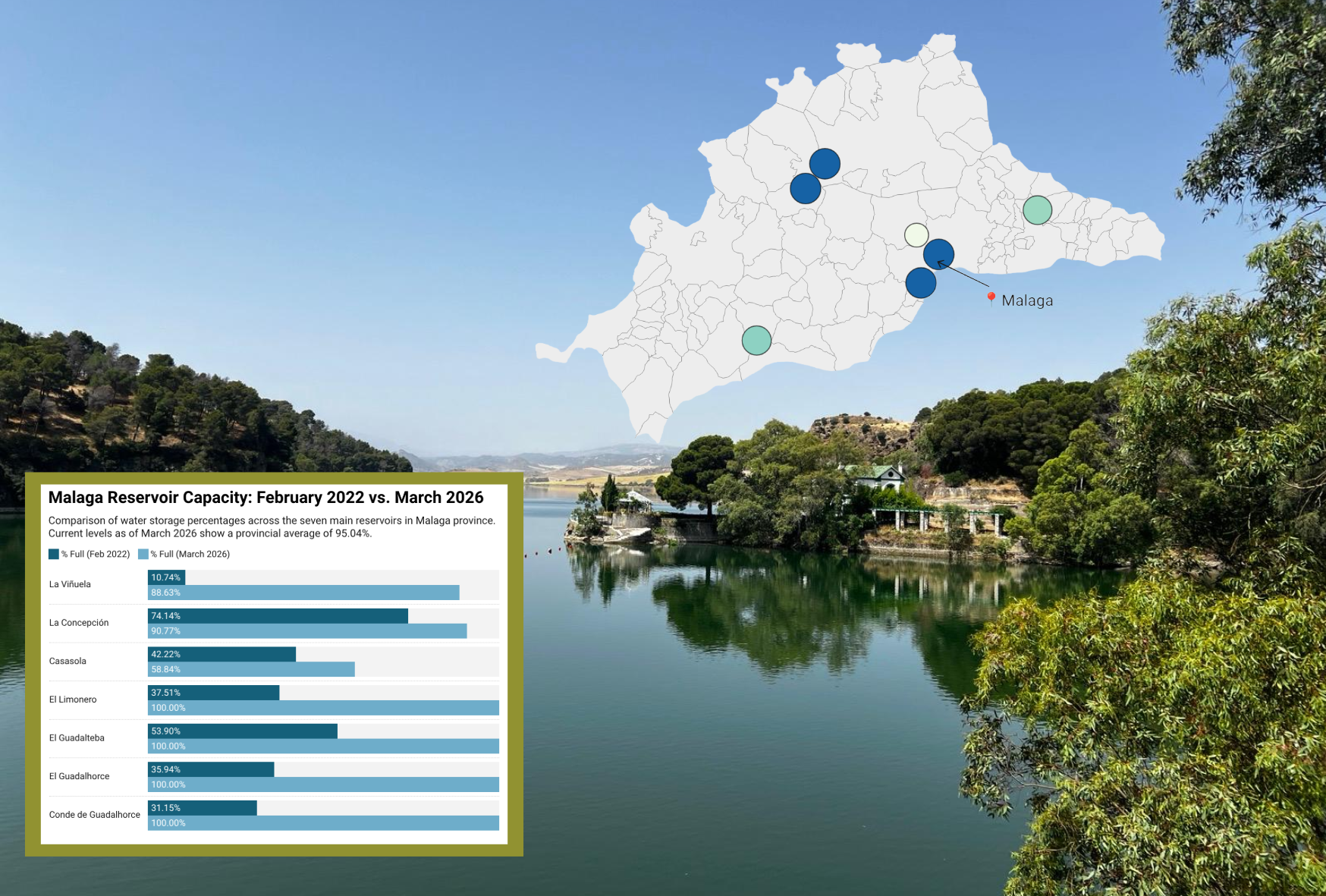
RARE scenes are unfolding across Malaga as months of relentless rain have turned drought-stricken dams into overflowing lakes, creating one of the strongest water reserves the province has seen in decades.
The dams that are now completely full are Guadalteba, Guadalhorce, Conde de Guadalhorce and El Limonero, marking the first time so many of Malaga’s reservoirs have simultaneously reached their maximum operating levels in modern records.
Just a few years ago the situation looked dramatically different, with several of the same reservoirs sitting at worrying drought levels.
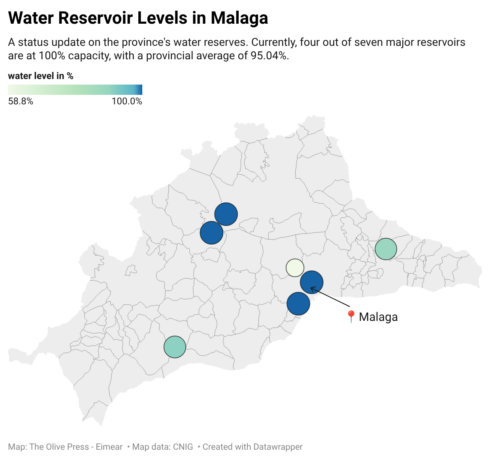
However, experts say the number could be even higher if certain dams were allowed to fill completely.
Several of the dams have already begun controlled water releases as they approach operational safety limits, a routine measure used by water authorities to prevent flooding during sudden storms after prolonged rainfall.
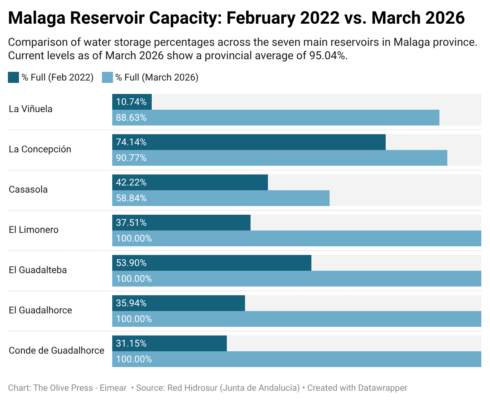
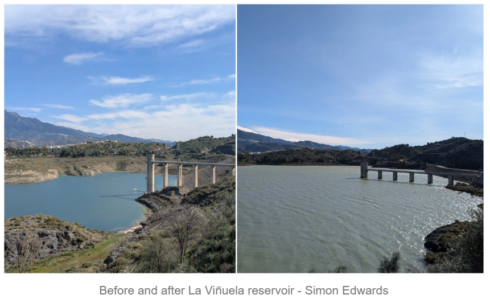
La Viñuela, the largest reservoir in the Axarquía and long considered the lifeline of eastern Malaga, is now 88.63% full, holding 145.68 billion litres of water.
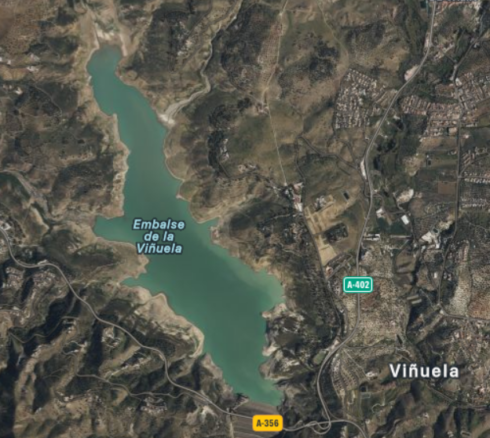
The scale of the recovery is extraordinary. In February 2022 the reservoir had plunged to just 10.74% capacity, storing only 17.65 billion litres, leaving cracked earth and exposed lakebed where water once stood.
The collapse sparked fears for 230,000 residents and the region’s booming avocado and mango plantations, which depend heavily on the reservoir.
Locals even began calling it “the puddle” as the lake shrank dramatically.
Today’s near-full levels mean the Axarquía now has enough water reserves to cover five to six years of domestic supply and agricultural demand.
READ MORE: Spain’s reservoirs reach levels that were unthinkable last year after six weeks of storms
High above Marbella in the Sierra Blanca mountains sits La Concepción reservoir, the main water source for the western Costa del Sol.
It is currently 90.77% full, containing 52.23 billion litres of water.
Back in 2022, the reservoir stood at 74.14% capacity, holding 42.66 billion litres.
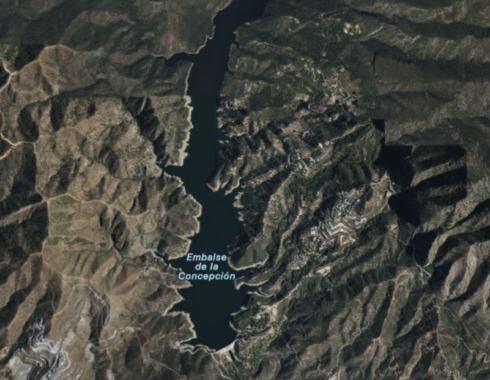
While this may sound healthy, the reservoir is relatively small and supplies more than 500,000 residents, including the tourism hotspots of Marbella, Estepona and Fuengirola.
Because of its limited size, it fills rapidly during heavy rainfall and often releases excess water directly into the sea. It was the first reservoir to open its floodgates this hydrological year as rain quickly pushed levels upward.
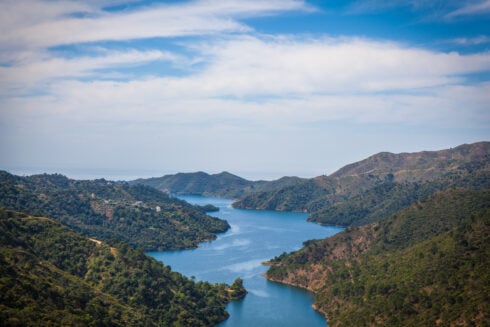
However, strict safety rules mean the dam cannot exceed 48 million cubic metres between October and April, despite having a physical capacity of 57 million cubic metres.
Even with these limits, it remains one of the most strategically important reservoirs for the tourism economy of the Costa del Sol.
Casasola reservoir, located near Almogía, is currently 58.84% full, storing around 12.78 billion litres of water.

In 2022 it held 42.22% capacity, equivalent to 9.17 billion litres.
Unlike most reservoirs in the province, Casasola was primarily built for flood control rather than water supply.
By controlling these flows, the reservoir helps protect thousands of homes and businesses in Malaga’s lower valley.
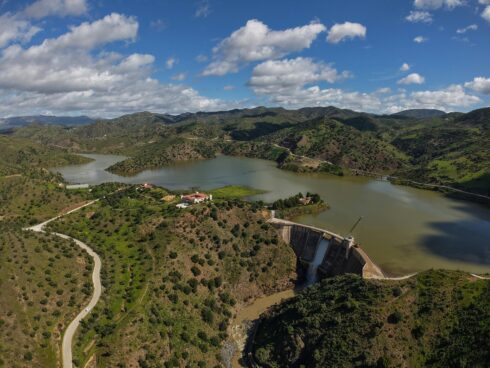
Because of strict seasonal safety limits, it is intentionally kept below full capacity even during wet years.
El Limonero reservoir near Malaga city has reached 100% capacity, holding 22.31 billion litres of water.
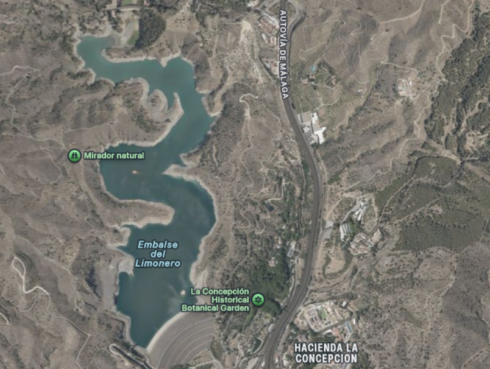
In 2022 it was just 37.51% full, storing 8.38 billion litres.
The dam was originally built after the catastrophic 1907 floods that devastated Malaga.
Today it functions as both a flood protection system and an emergency drinking water reserve for the provincial capital.
However, due to safety regulations the reservoir is normally kept below its true maximum capacity, with an operational limit of around 14 million cubic metres rather than its physical capacity of 21 million.
The Guadalteba reservoir is now 100% full, storing 153.30 billion litres of water.
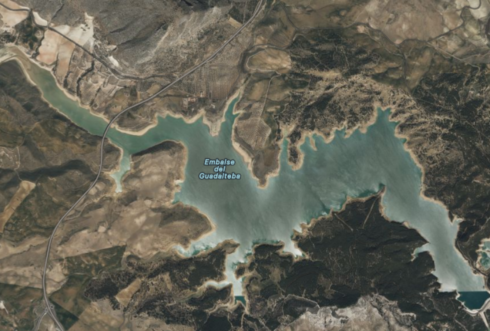
The current levels are considered historic, as the reservoir network has reached a 13-year high after a prolonged drought that began in 2013, during which capacity declined by around 5% each year.
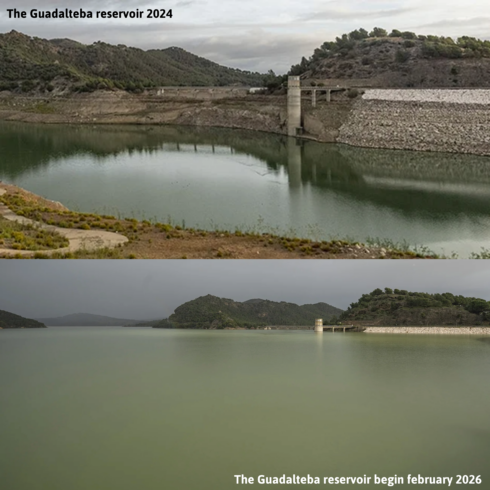
In 2022 it stood at 53.9% capacity, holding 82.63 billion litres.
It forms part of the famous Ardales reservoir system, often called the “Triple Crown”, alongside Guadalhorce reservoir and Conde de Guadalhorce reservoir.
The full reservoir allows hydroelectric plants to maximise energy production while ensuring irrigation for the Guadalhorce Valley, one of Malaga’s most productive farming areas.
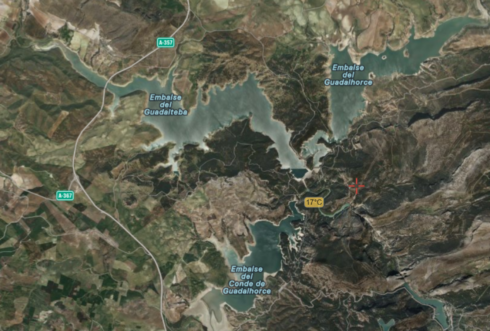
The Guadalhorce reservoir sits right next to it, is also 100% full, containing 125.72 billion litres of water.
In 2022 it had fallen to just 35.94% capacity, storing 45.18 billion litres.
The reservoir sits next to the famous Caminito del Rey, making it one of the most visited natural landscapes in the province.
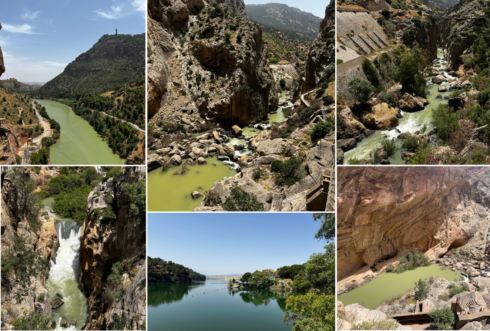
It is also essential for irrigating the surrounding citrus and fruit farms that dominate the Guadalhorce valley.
The historic Conde de Guadalhorce reservoir has also reached 100% capacity, storing 66.49 billion litres of water.
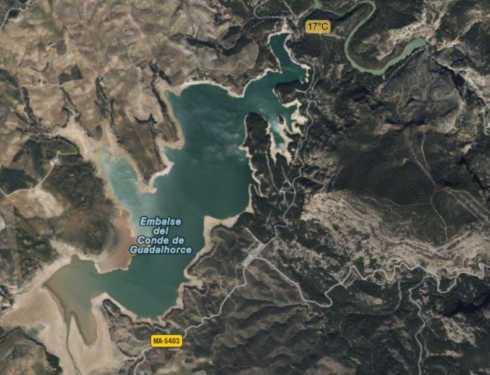
In October 2024, it was at a critically low level of just 21.4% capacity, holding around 14.25 billion litres
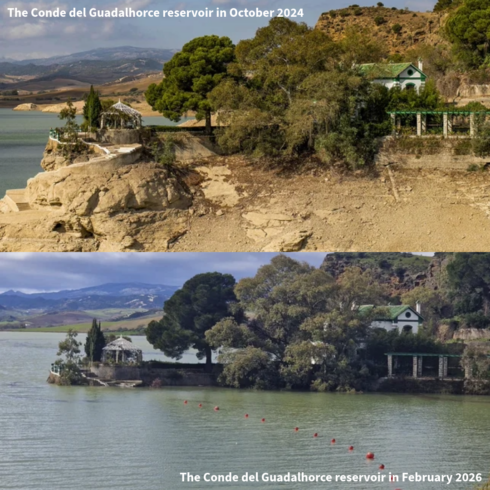
Famous for its turquoise waters and the King’s Chair, where King Alfonso XIII once signed the dam’s completion, it remains one of Malaga’s most recognisable reservoirs.
For residents and farmers across the province, the turnaround marks a striking change from the drought concerns of recent years.
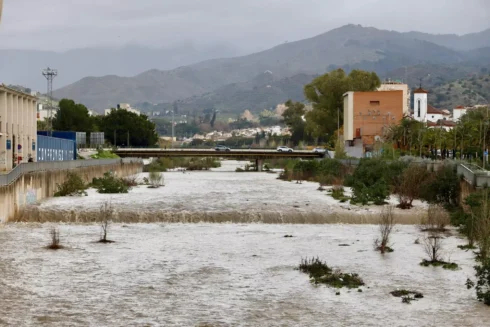
Across Malaga province, total reservoir reserves have surged in recent weeks following repeated Atlantic storms.
Marking one of the fastest recoveries in water levels since the region entered drought conditions more than a decade ago.
Click here to read more Malaga News from The Olive Press.