

CONSUMERS in Spain will breathe a sigh of relief after the rate of inflation remained low throughout February – although fears are mounting that prices are set to surge in the wake of the ongoing war in Iran.
According to figures released on Friday by the National Statistics Institute, inflation levelled off at 2.3% in February, the same figure recorded in January.
That brings an end to three consecutive monthly falls of one-tenth of a percentage point in November, December and January, which helped to bring the rate of inflation to its lowest figure since June last year.
However, Spain’s figure still remains above the 2% target set by the European Central Bank (ECB).
The INE says inflation stayed low thanks to a fall in energy prices, particularly electricity.
But the rising cost of food, including a sharp uptick in restaurant prices, ensured that inflation’s downward trend would stall.
That is evidenced by the rate of core inflation – a metric that excludes energy prices – which ticked up to 2.7% in February, one-tenth of a percentage point above January’s figure.
Economists fear that Spain’s relative stability could be coming to an end with a steep rise in inflation pencilled in for March thanks to the current conflict in the Middle East.
Raymond Torres, director of economic analysis at Funcas, says inflation could rise to between 3% and 3.5% this month as the impact of the war in Iran takes hold.
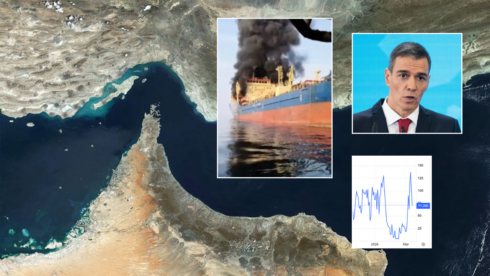
Between March 2 and March 10, the average wholesale energy price in Spain jumped from around €18/MWh (megawatt-hour) to €137/MWh, according to data from Trading Economics – an increase of nearly 700 per cent.
The spike has been driven by turmoil in global gas and oil markets after the US and Israel launched strikes on Iran earlier this month.
Brent crude, the international benchmark for oil prices, spiked by nearly 29 per cent to nearly $120 (€103) during early market trading on Monday – a peak not seen since 2022 when Russia’s invasion of Ukraine rattled global markets.
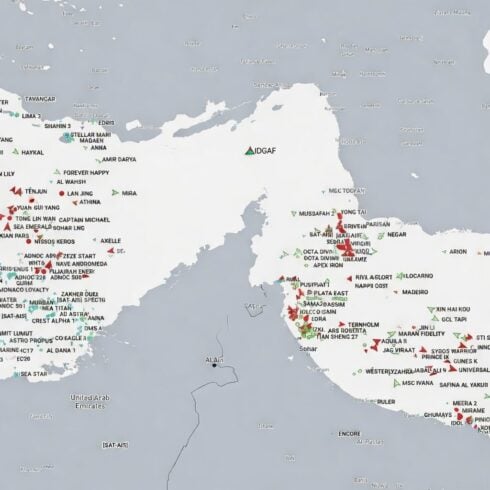
The surge came after Iran effectively shut down the Strait of Hormuz, a vital maritime shipping route through which around 20 per cent of the world’s oil and liquified natural gas passes.
Key oil producers in the Gulf – including Kuwait, Bahrain and the UAE – also announced that they will cut production after Iranian drone strikes damaged several oil refineries across the Middle East.
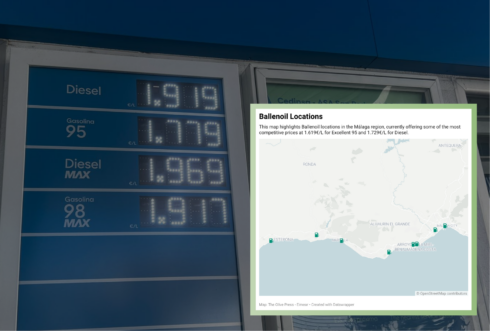
That is expected to lead to a significant rise for essentials such as fuel, with price increases for petrol and diesel already seen at the pump.
Other knock-on effects include electricity prices and food costs, particularly for products that rely heavily on fertilisers.
All of these will help to push the rate of inflation up.
Click here to read more Spain News from The Olive Press.