
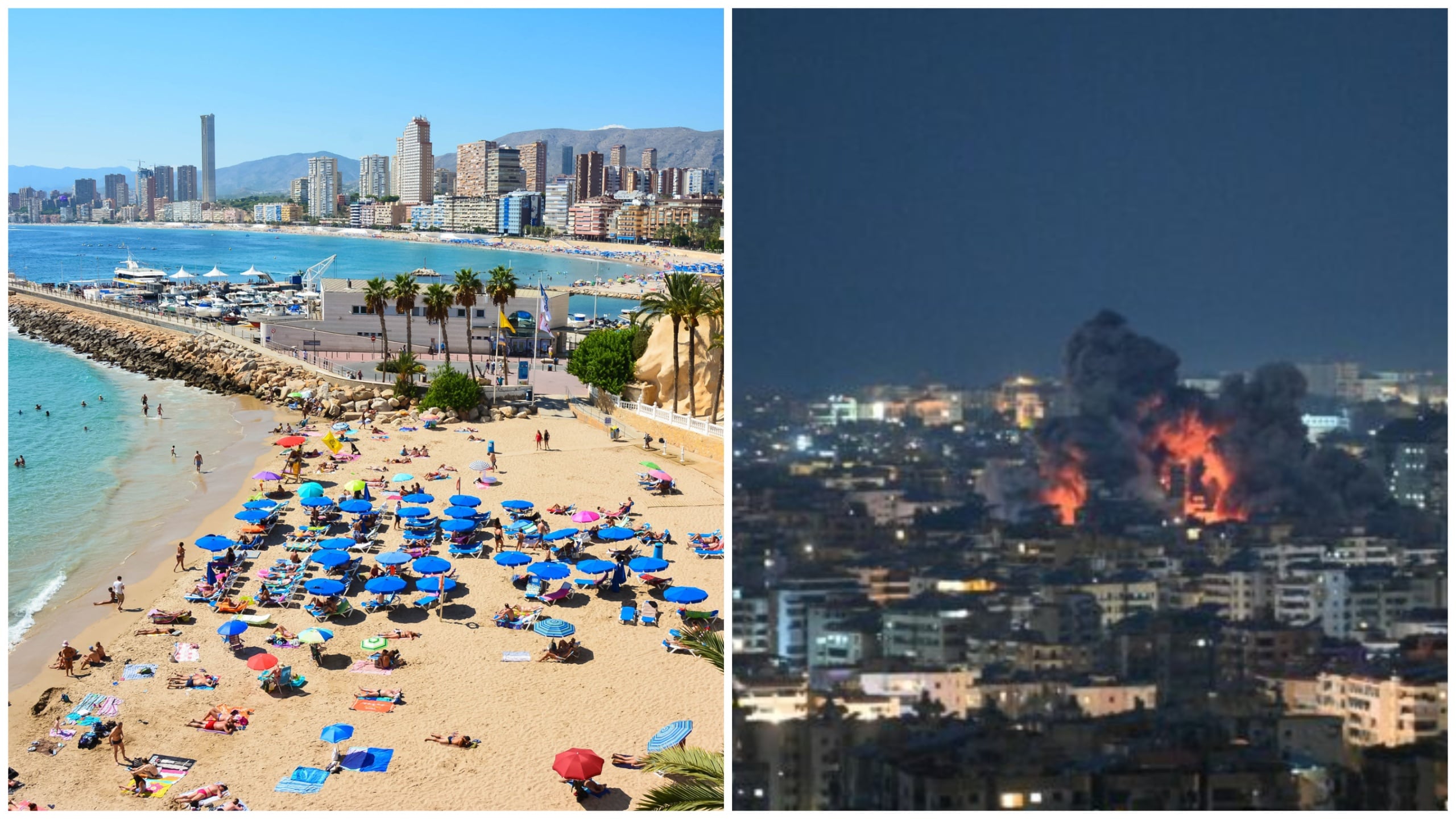
TOURIST bookings to ‘safe’ Spain are surging this Easter as the Iran war continues to fuel global uncertainty, experts say.
Semana Santa reservations across the peninsula have soared by a striking 50% compared with last year, according to online platform Destinia, with international bookings now accounting for 29% of the total.
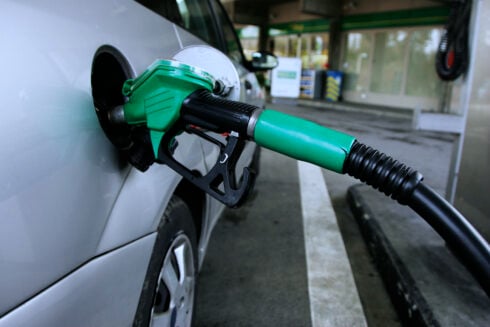
The figures reflect growing confidence in Spain as a safe haven, analysts argue, as the Iran war fuels instability amid escalating conflict and soaring fuel prices worldwide.
Beatriz Oficialdegui, communications officer at Destinia, told La Vanguardia: “Foreign visitors see Spain as a safe country, and this benefits us as a destination.”
According to a study by BBVA Research, past geopolitical tensions affecting Spain’s competitors — including Egypt, Morocco, Turkey and Greece — led to increases of between 30% and 36% in foreign bookings to Spain.
“[This is] because Spain is logically considered a safe country and a refuge destination,” said Jose Manuel Lastra, of the Confederación Española de Agencias de Viajes.
Last year, Spain received around 15 million international tourists between March and April, according to the Ministry of Industry and Tourism.
In April alone — when Easter fell — there were about 8.56 million foreign visitors, a record for the month.
This year’s figures are expected to surpass that record, experts say, despite earlier concerns from tourism leaders in the Costa del Sol.
Francisco Jerez, tourism councillor for Mijas representing Vox, warned earlier this month that Semana Santa reservations had fallen by 35% compared with typical levels, based on estimates from local businesses.
Jerez said the slump was partly due to ongoing issues with the high-speed rail link from central Spain, warning the disruption was having a “huge impact” on visitor numbers heading to the coast.
Calling for urgent government action, he added: “Tourism can’t survive if the government keeps ignoring the infrastructure it desperately needs.”
However, the latest figures suggest a turnaround, easing concerns raised in recent weeks.
The current Semana Santa surge comes as the conflict in Iran enters its fourth week. In retaliation for US-Israeli strikes that began on February 28, Tehran has effectively closed the vital oil shipping route through the Strait of Hormuz, sending fuel prices skyrocketing across the world.
US President Donald Trump issued an ultimatum on Sunday, warning that unless Iran reopens the Strait of Hormuz within 48 hours, the US would target the country’s key energy facilities.
Meanwhile, International Energy Agency chief Fatih Birol warned the world could face its worst energy crisis in decades as a result of the conflict.
“No country will be immune to the effects of this crisis if it continues in this direction. There is a need for global efforts,” he told Australia’s National Press Club.
Click here to read more Business & Finance News from The Olive Press.