DOMENIKOS Theotokopoulus is not an easy name to say.
His neighbours in the central Spanish town of Toledo preferred, simply, to call him ‘the Greek’ – and it’s as ‘El Greco’ that history remembers him.
When El Greco was born in the year 1541 on the island of Crete, the Renaissance wasn’t quite over.
Michelangelo was 66 years old, and still working.
A week after ‘the Greek’ died on 7 April, 1614, in Virginia, (now part of the USA), a teenage native American girl (Pocahontas) was forced to marry a middle-aged Englishman.
The modern era of colonial expansion had begun.
Scholars can’t agree as to whether El Greco was a Roman Catholic or a true adherent of the Orthodox Church.
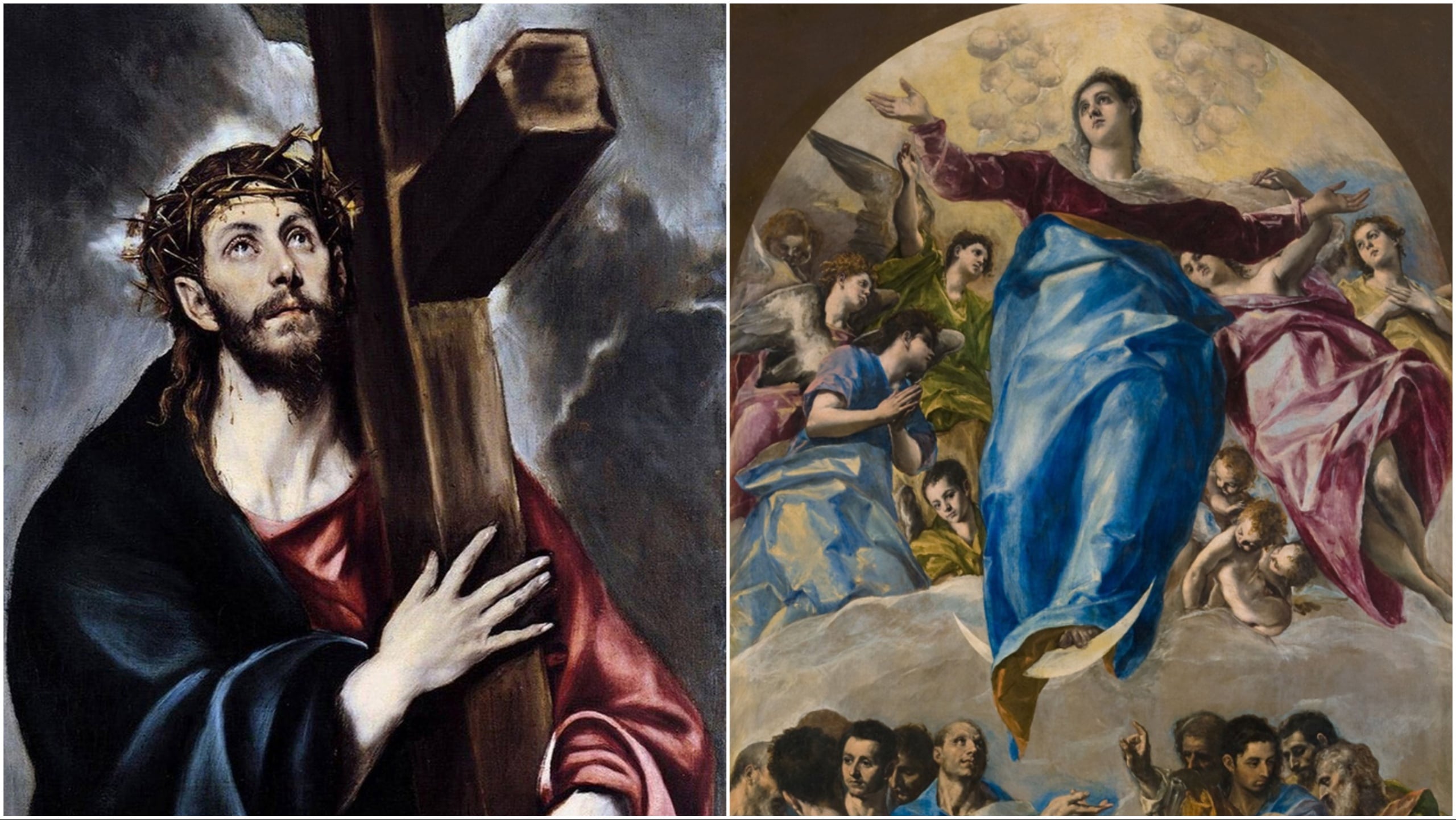
Perhaps it doesn’t matter. The point is that as an adolescent he trained as an icon painter.
To people of the Orthodox persuasion, icons are vitally important.
They are portraits of the saints, and some of them are revered. There are paintings which are considered to have healing powers.
El Greco came from that tradition.
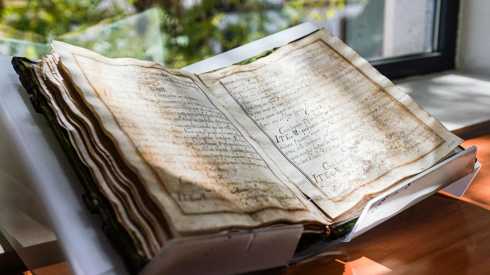
He was also a bibliophile. After his 1614 death, his collection of rare Greek and Latin books was discovered.
To everyone’s delight, he was found to have owned a copy of Vasari.
READ MORE: Outrage erupts in Mexican art world over plan to put Frida Kahlo masterpieces on display in Spain

Giorgio Vasari wrote a multi-volume text, telling us about the lives of dozens of Italian artists.
Had he not done so, we would know very little about the painters of the Middle Ages and the Renaissance.
We know that El Greco read it carefully, because he wrote notes on its pages.
There are not many surviving records of his youth on the island of Crete, but the few that we have describe him as ‘master’ when he was only 22.
Crete was a colony of Venice, and the Italian system of art education operated there.
A boy who wanted to be a painter (there were very few girls who chose art as a career) joined a studio as an apprentice.
The ‘master’ taught the boy how to mix colours and clean brushes.
As time went by, the student was permitted to ‘colour in’ figures that the master had already drawn.
Eventually, the student could launch a studio of his own, as a ‘master’.
To reach this level at the age of 22 was remarkable.
By the year 1567, Domenikos was in Venice.
His letters tell us that he remained there for three years. In 1570 he moved to Rome.

He wrote about visiting the Sistine Chapel, and loving Michelangelo’s work.
He was invited to the Villa Farnesina, where a wealthy cardinal entertained Rome’s elite painters (its walls bear the frescoes of Raphael to this day).
During the Rome period, a friend was surprised to find El Greco sitting alone in a dark room.
“It’s alright,” said Domenikos, “I rely on my inner light.”
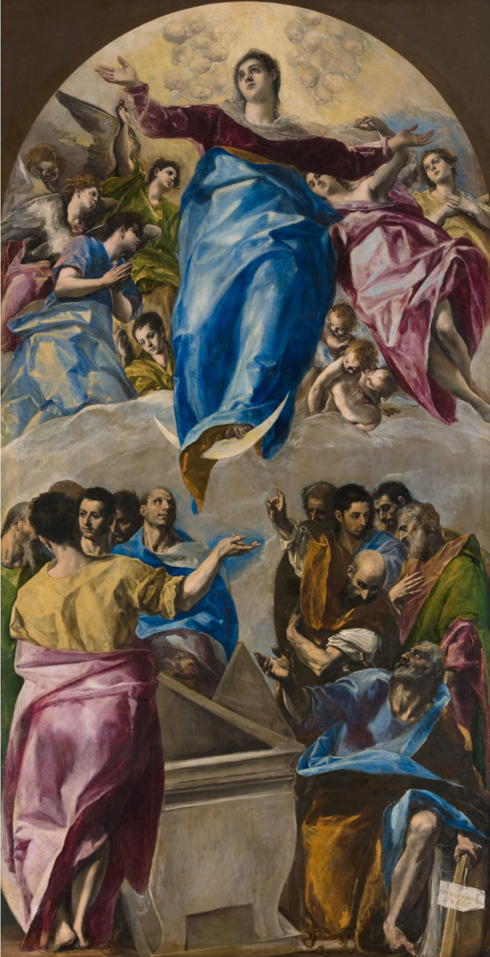
His canvases bear witness to this: they are often dark and brooding, but illuminated by a sort of spiritual lustre.
Finally, in the year 1579, El Greco arrived in Toledo.
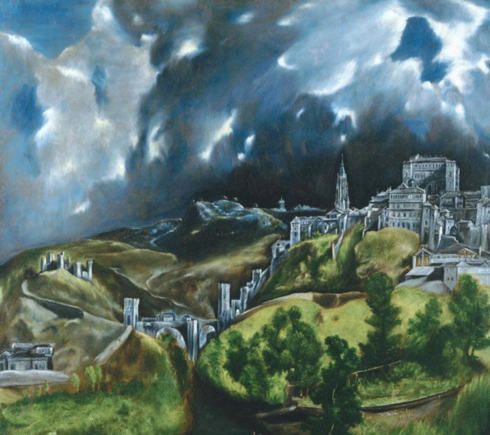
His plan was to pause there for a few weeks, and try to obtain a position at the royal court in nearby Madrid.
However, Toledo captured his heart, and remained his home until his death, 35 years later.
Click here to read more Spain News from The Olive Press.