

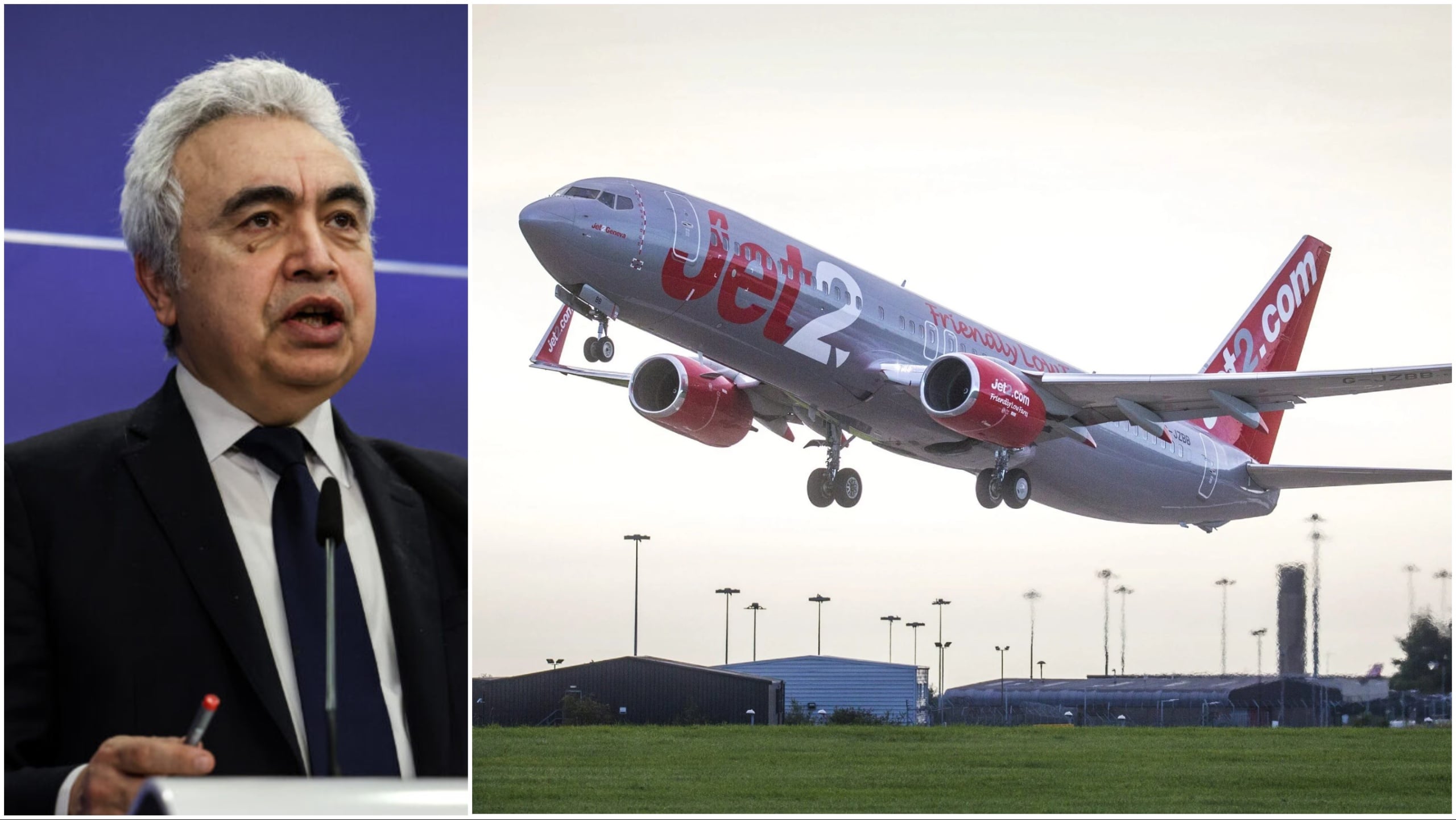
FLIGHTS across Europe could face mass cancellations ‘soon’ after it was revealed that the continent has just six weeks of jet fuel left.
The chilling warning comes from the head of the International Energy Agency (IEA), who described the current situation as the ‘largest energy crisis we have ever faced’.
Speaking to the Associated Press, Thursday, IEA Executive Director Fatih Birol painted a sobering picture of the global fallout from the ongoing Iran war.
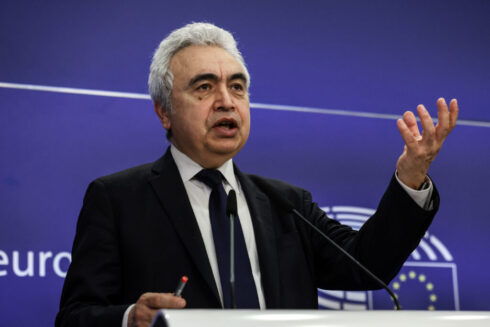
He warned that the closure of vital oil and gas supplies through the Strait of Hormuz will soon hit European airports and consumers with just ‘maybe 6 weeks or so (of) jet fuel left.’
“I can tell you soon we will hear the news that some of the flights from city A to city B might be canceled as a result of lack of jet fuel,” he said.
Birol also warned that the crisis will trigger a painful surge in the cost of living across the continent.
The blockade will result in ‘higher petrol prices, higher gas prices, high electricity prices,’ he said.
He compared the blocked shipping route to the famous rock band, stating: “In the past there was a group called ‘Dire Straits.’ It’s a dire strait now, and it is going to have major implications for the global economy.”
However, Spain’s Energy Minister Sara Aagesen has moved to reassure the public, insisting the country’s fuel supply remains ‘robust’ and ‘privileged’ despite the global crisis.
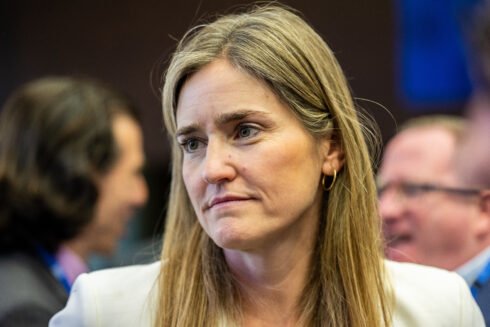
She explained that Spain is heavily shielded from the blockade because a domestic network of eight refineries produces 80% of the kerosene consumed in the country.
“This is a very advantageous situation compared to many European partners, where the opposite is true and they are dependent on imports,” she added.
The Europe-wide crisis stems from Iran applying a controversial ‘toll booth’ system to ships navigating the vital waterway, forcing them to pay a fee to pass.
Birol slammed the move, warning that allowing it to become permanent would set a dangerous precedent for other global shipping routes like the Malacca Strait in Asia.
“If we change it once, it may be difficult to get it back,” he said.
“I would like to see that the oil flows unconditionally from point A to point B,” he insisted.
While developing nations in Asia, Africa, and Latin America will be hit hardest, Birol confirmed the economic pain is now making its way to Europe and the Americas.
Click here to read more Travel News from The Olive Press.