
PERHAPS it sounds preposterous to suggest that the United States of America could have belonged to Andalucia, but it almost happened.
When the Seven Years’ War ended in 1763, Spain walked away from the peace treaty with the acquisition of Louisiana.
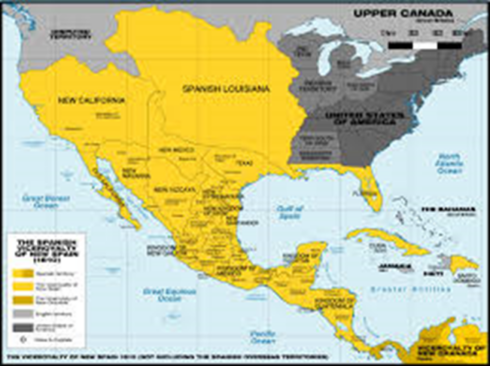
We have to remember that the 18th-century version of Louisiana was very different from its shape today.
Before statehood arrived in 1812, ‘Louisiana’ was the vague name given to the little-explored central plains of the entire continent.
READ MORE: ON THIS DAY: The birth of an English actor, Spanish singer-songwriter and great friend of Lorca
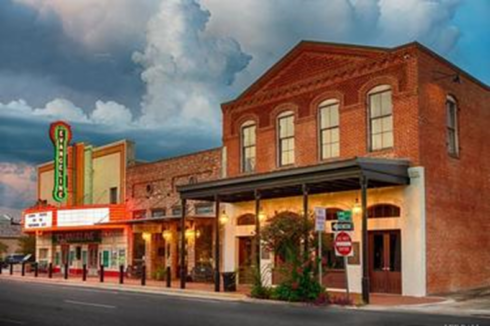
It was a vast area that included most of the modern USA, stretching from California to Florida, Mexico to Minnesota, and even incorporating swathes of what is now Canada.
The legal status of this colossal territory was so unclear that Napoleon Bonaparte was later able to casually sell it to Thomas Jefferson in the early years of the coming century.
But back in 1763, the Spanish government in Madrid saw two clear strategic possibilities for their newly acquired wilderness.
If Louisiana could develop a substantial population, the British in the north-east would not be able to exploit either Canada or California.
Secondly, that huge central area could produce an enormous amount of food if the Native Americans could be subdued.
Both of these grand colonial ambitions required a large, hardworking population, and Malaga seemed like the perfect place to recruit them.
The ancient customs of Andalucia had created a social class known as braceros — landless labourers who were forced to work for the rich.
Exactly 700 of these braceros were signed up to make a fresh start on the other side of the Atlantic.
They set sail from Malaga aboard a ship called the San Jose on June 1, 1778.
The Spanish government gave them a few farm tools, some seeds and a small allowance per person.
They would need every bit of it, as there were exactly zero shops waiting for them in the American wilderness.
The Malaga expedition wasted a lot of time and energy searching for their promised land before eventually settling in the countryside west of New Orleans.

The malagueños got off to a good start in America, planting hemp, flax, wheat and barley, while breeding the cattle they had brought from the Old World.
However, nobody had warned the new arrivals about the terrifying reality of American tornados.
One season of twisters devastated their fledgling farms, but these were tough people who had no choice but to write off their losses and start again.
They learned how to shape their homes and their fields to minimise future storm damage, and they thrived.
They proudly named their colony ‘Nueva Iberia’.
Louisiana has long been associated with France, and the French-speaking population of cities like New Orleans tended to look down on the Spanish-speaking country folk.
The Spanish contingent was never quite big or influential enough to shape Louisiana’s ultimate destiny, but there is no question that the malagueños left their mark.
Over time, they intermarried with the French-speaking Acadians who had been expelled from Canada, eventually giving rise to the modern ‘Cajun’ identity.
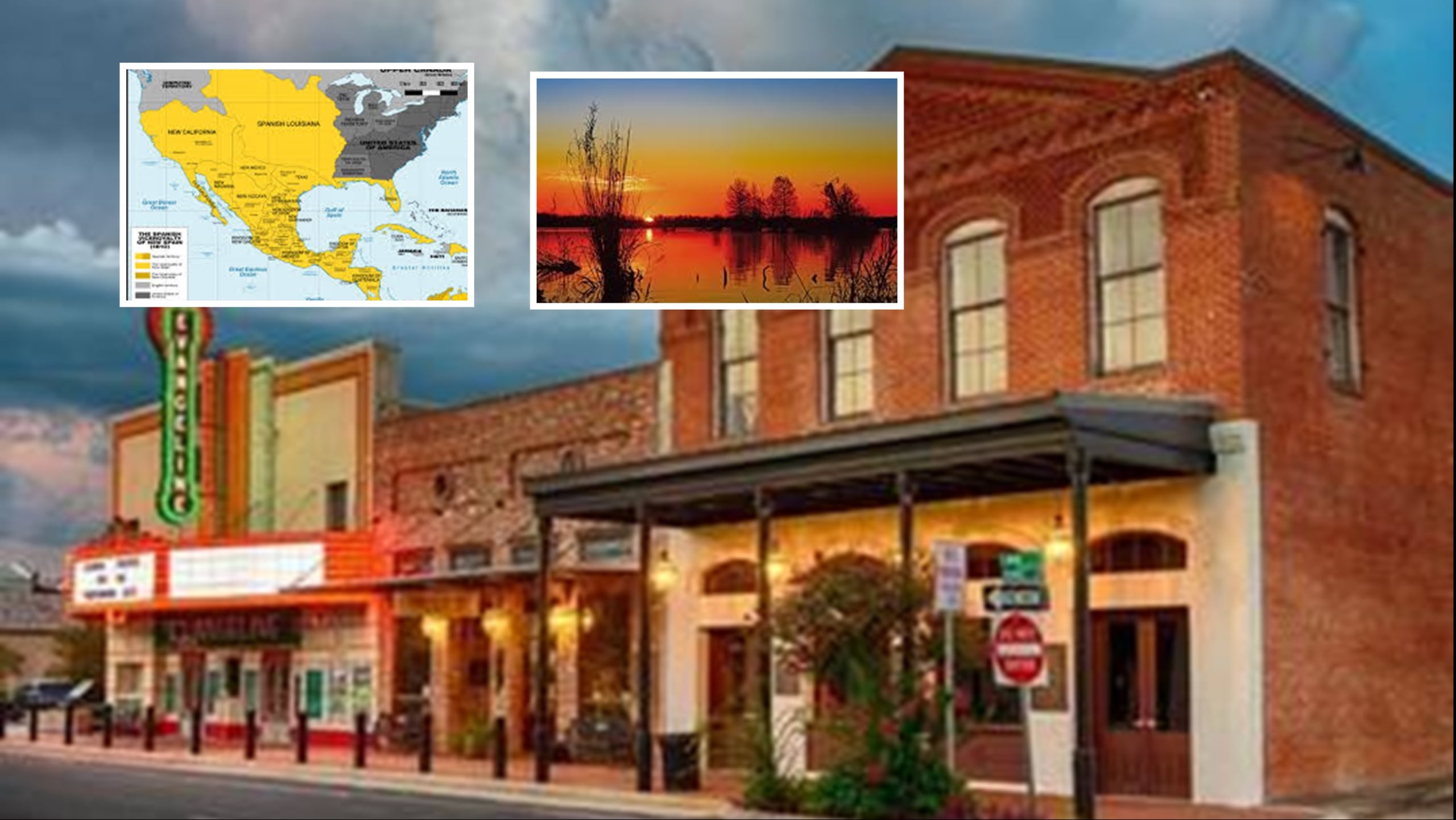
There have been many changes over the intervening centuries, but the city of New Iberia remains today as a permanent tribute to the region’s enduring connection with Malaga.
Click here to read more La Cultura News from The Olive Press.