
ON the edge of the Altiplano, between Murcia and Albacete in southern Spain, lies a landscape forged by sun, limestone and a millennia-old tradition.
For travellers seeking the essence of the inland Mediterranean, the Jumilla Wine Route is an immersion into a history that runs deep beneath the surface.
Here, the discovery of 5,000-year-old vine remains bears witness to an unbroken relationship with viticulture.
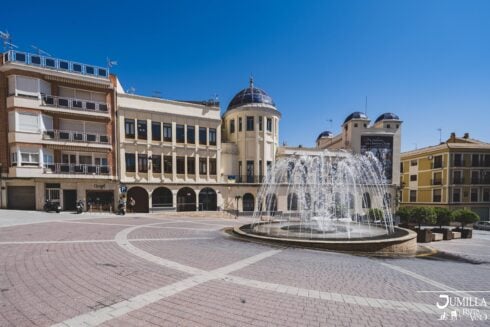
Jumilla: The Heart of the Altiplano and Its Roman Heritage
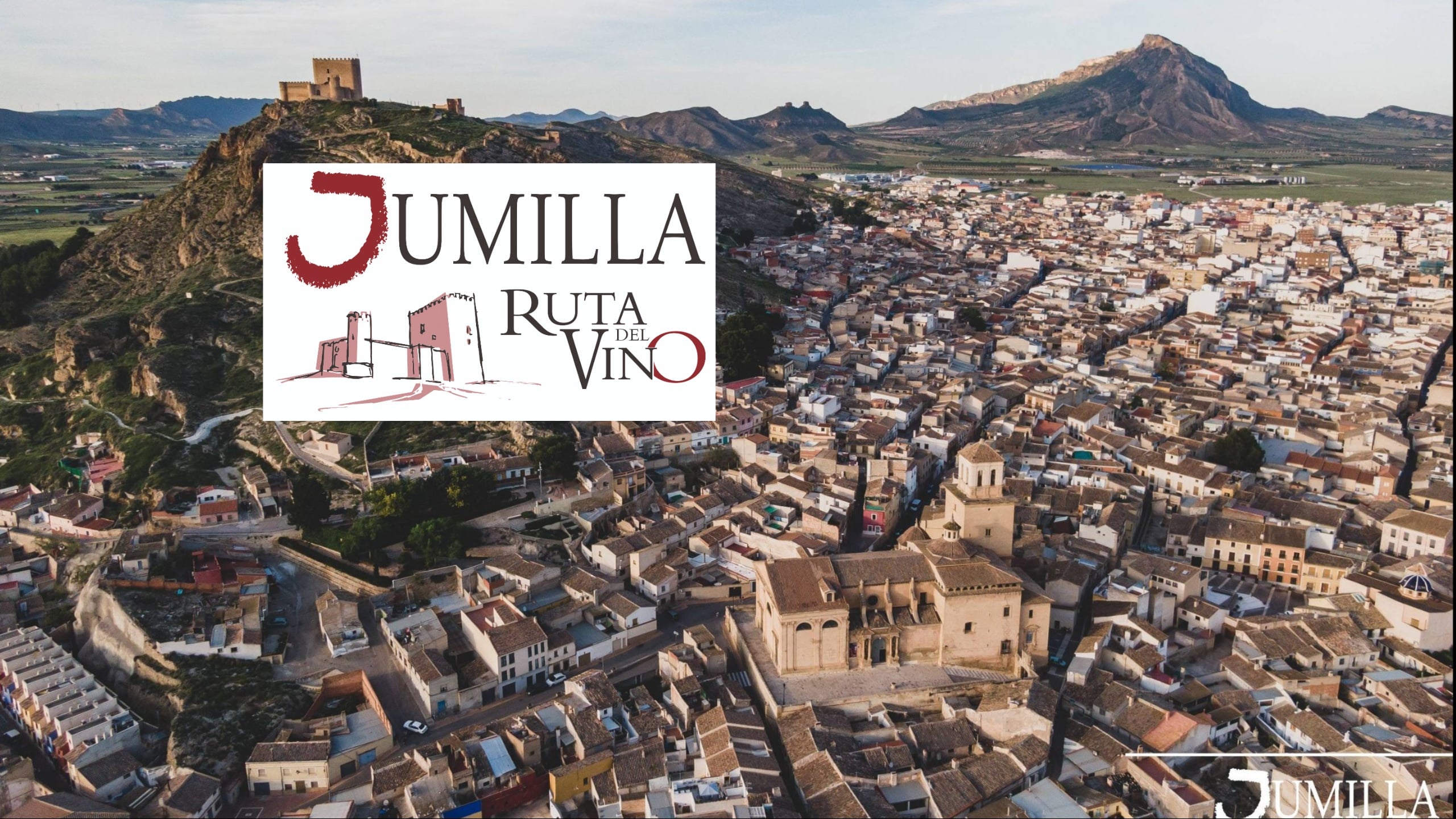
The town of Jumilla stands at the centre of the region, a place whose skyline has been shaped since the Bronze Age.
From Cerro del Castillo, the town unfolds towards an urban landscape of remarkable artistic and historical significance.
Among its architectural jewels are the 15th-century Church of Santiago and Plaza de Arriba, the historic epicentre of Renaissance power.
The area’s most extraordinary treasure is the Cason de Jumilla, widely regarded as the best-preserved late Roman funerary mausoleum in Europe.
This heritage coexists with vibrant living traditions ç

Hellin: A Dialogue Between Art and Nature
Hellin is home to a rich cultural legacy that has earned the highest recognition from UNESCO.
Its territory offers a compelling synthesis of European civilisation, spanning from the Paleolithic era to the avant-garde:
• Rock Art: The Abrigo Grande de Minateda, one of the most significant examples of Levantine rock art, is protected as a World Heritage Site.
• Intangible Heritage: The Tamborada rituals also hold UNESCO status.
• Living Archaeology: The Tolmo de Minateda chronicles life from the Bronze Age to the Middle Ages.

Ontur and Tobarra: From Roman Elegance to the Beat of the Drum
The route’s stops in Ontur and Tobarra add further opportunities to explore nature and sacred art.
In Ontur, travellers can roam the Sierra del Madroño nature trail, with its pure-water spring and pine forests, before discovering the Eras necropolis.
This collection of Visigoth tombs is also the site where the so-called Roman Dolls were uncovered – five figures made of ivory and amber that offer a rare glimpse into the childhood of a distant past.
A short distance away, Tobarra is home to the splendid Virgen Dolorosa, by Salzillo, housed in the Church of the Assumption.
Not far from the church is the Drum Museum, a powerful symbol of local identity.
Part of the prestigious ‘Wine Routes of Spain’ network since 2005, the Jumilla Wine Route transcends the idea of wine tasting alone.
In this holistic experience, every glass of wine is a toast to five thousand years of shared history.
For more information about the Jumilla Wine Route, please visit https://rutadelvinojumilla.com/
Click here to read more Food & Drink News from The Olive Press.