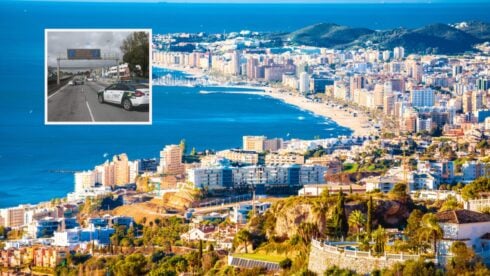
THOUSANDS of tourism jobs are at risk on the Costa del Sol as a relentless building boom leaves the coastline increasingly vulnerable to erosion, environmentalists warn.
A report by Greenpeace Spain says beach erosion could destroy up to 41,000 hotel and tourism jobs across Andalucia by 2050, with hotspots such as Marbella and Malaga particularly vulnerable due to continued construction along their coastlines.
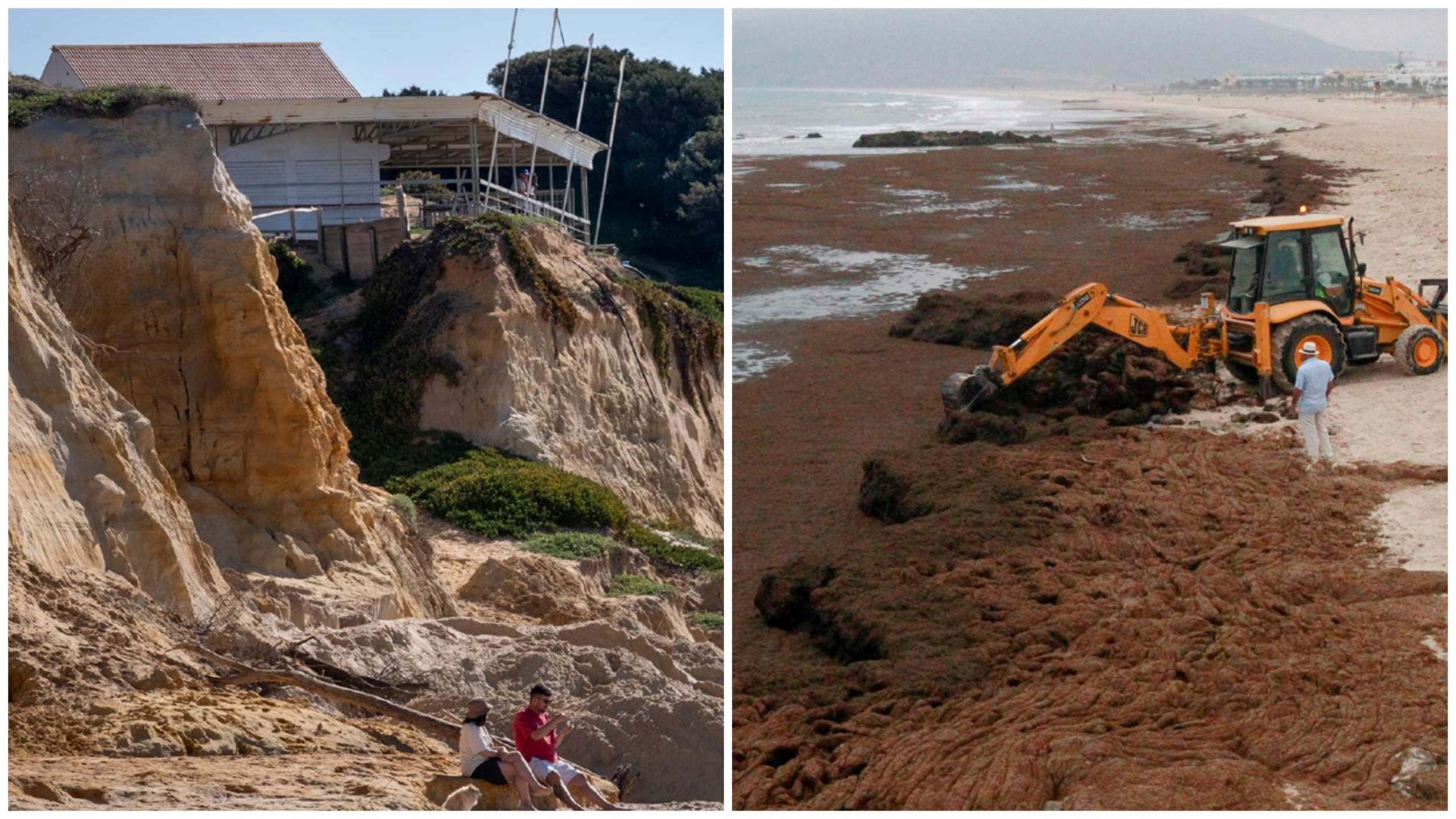
The report, Destruccion a Toda Costa 2026 (‘Destruction Along the Coast 2026‘), warns that decades of overdevelopment have stripped Andalucia’s coastline of its natural defences, meaning swathes of beach could be lost to storms and rising sea levels in the coming decades.
According to the report, 36% of Andalucia’s coastline has already been urbanised, replacing dunes, wetlands and other natural barriers that once absorbed the impact of storms and slowed coastal erosion.
Researchers estimate that sea levels could swallow up to 25 metres of beach by 2050 under the worst-case scenario, dramatically reducing the sandy coastline that underpins Andalucia’s tourism industry.
In coastal provinces such as Malaga and Cadiz, Greenpeace estimates that every metre of dry beach lost could put between 300 and 500 direct tourism jobs at risk.
The organisation says governments are relying too heavily on repeatedly replacing sand after storms, describing the practice as an increasingly expensive and ineffective short-term solution.
This year alone, around €46 million is expected to be spent repairing storm damage and replenishing Andalucia’s beaches – money Greenpeace says would be better invested in restoring natural coastal ecosystems.
Instead, it is calling for dunes and wetlands to be restored, construction to be restricted in flood-prone areas, and rivers to be allowed to replenish beaches naturally with fresh sediment.
Greenpeace also warns that the Mediterranean is warming around 20% faster than the global average, accelerating coastal erosion while damaging marine habitats that help sustain the region’s ecosystems.
“Clinging to a coastline that no longer exists is not protecting the economy,” said Greenpeace coast campaigner María José Caballero.
“It is financing a shipwreck that everyone can already see coming.”
Click here to read more Environment News from The Olive Press.