SPAIN’S intelligence services believe Morocco did not orchestrate last week’s unprecedented migrant surge into Ceuta – but instead deliberately stood back and allowed it to happen before exploiting the ensuing chaos for political gain.
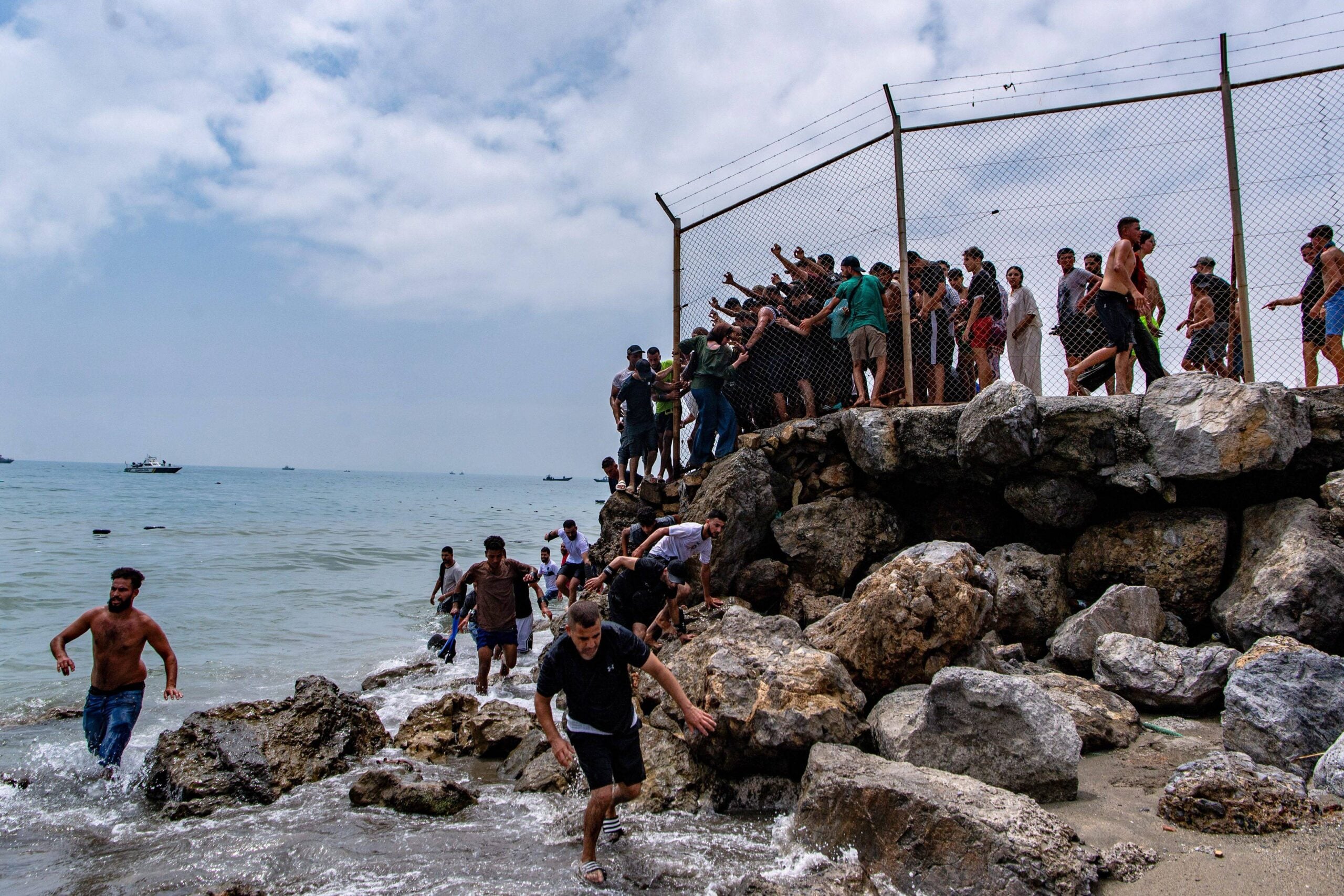
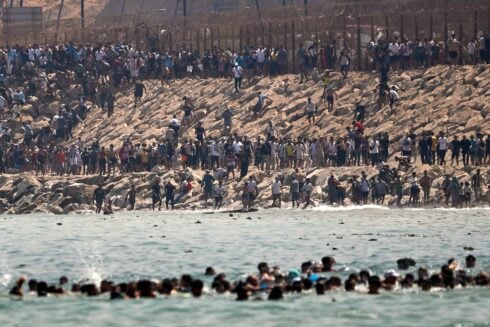
The stark conclusion comes after Spanish spies analysed the dramatic scenes from Thursday and Friday, when an estimated 60,000 migrants poured into the tiny north African enclave in what is believed to be the largest single day of irregular arrivals ever recorded in the EU.
According to intelligence sources cited by El Pais, Madrid has ruled out the possibility that the crisis was the result of a carefully planned operation by Rabat.
Instead, they believe Moroccan authorities deliberately chose not to intervene in the hope of capitalising on the resulting international fallout.
The scenes immediately drew comparisons with May 2021 and a diplomatic dispute between the two countries over the decision to allow Brahim Ghali, the leader of the separatist Polisario Front, to receive treatment in a Spanish hospital.
On that occasion, Moroccan authorities deliberately loosened border controls in protest, allowing around 8,000 migrants to enter the enclave in a matter of days.
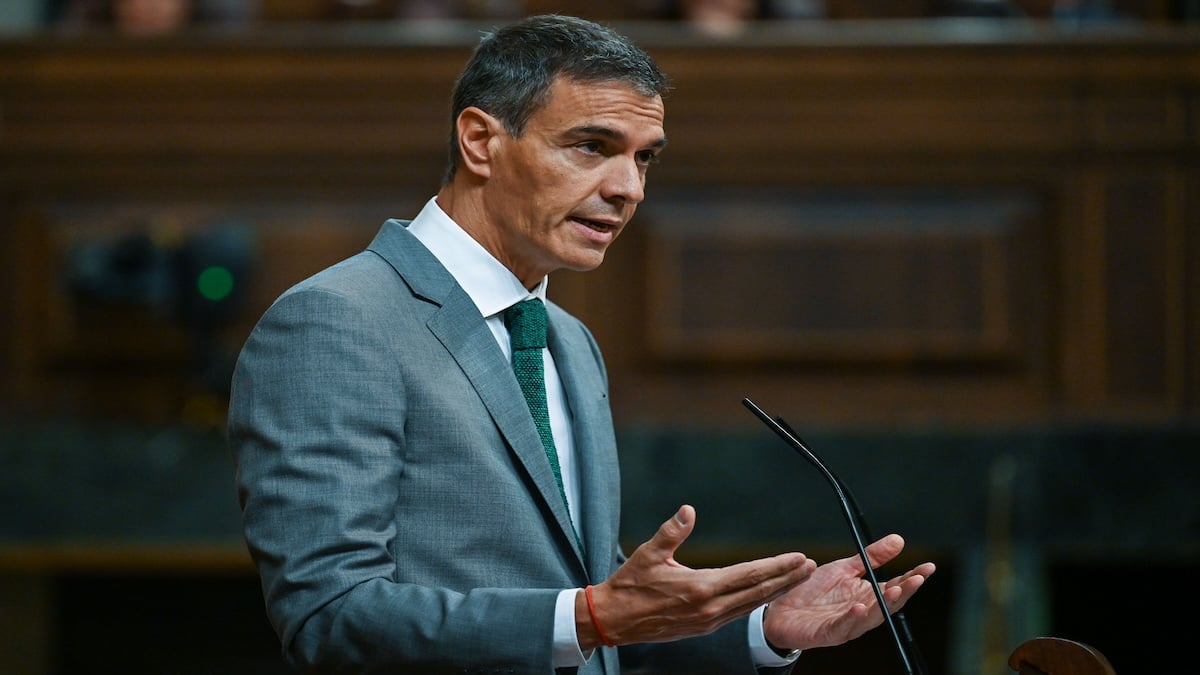
That prompted speculation that Rabat had once again engineered the latest surge, possibly linked to prime minister Pedro Sanchez’s recent visit to Algeria or tensions over which country will host the 2030 FIFA World Cup final.
But Spanish spies instead believe the mass crossing was triggered by a false rumour spreading on social media relating to a recent court ruling.
Last month, Spain’s Supreme Court confirmed that migrants intercepted while swimming towards Ceuta or Melilla cannot be automatically sent back to Morocco, unlike those caught attempting to scale the land border fences.
Instead, anyone intercepted at sea must now enter Spain’s standard immigration process, which can take months and gives them the opportunity to formally apply for asylum or residency.
It is believed that false information related to the ruling was the main catalyst for tens of thousands of Moroccans to try their hand at reaching Spanish territory, with many attempting to swim around the breakwater that separates Ceuta from its north African neighbour.
But their attempts were aided by Moroccan authorities who gradually scaled back border surveillance throughout July until it was effectively abandoned on Thursday, which coincided with Morocco’s Throne Day celebrations.
READ MORE: The history behind Ceuta and Melilla – how Spain came to own two cities on mainland Africa

Spanish officials believe Morocco then capitalised on the international attention generated by the scenes, including Italy’s decision to temporarily suspend the Schengen agreement with arrivals from Spain.
That has allowed Morocco to reignite its long-standing territorial claims over Ceuta and Melilla, the two tiny pockets of territory on the north African coast administered by Spain.
The latest revelation comes after the death toll from last week’s chaos reached 88, including 11 bodies identified by Moroccan authorities.
All of those who died did so after drowning in the choppy waters of the Mediterranean while attempting to swim from Morocco into Ceuta.
According to estimates, between 3,000 and 5,000 of the migrants who arrived last week remain in the city, with the remainder since returning to Morocco.
Click here to read more Spain News from The Olive Press.