
AFTER a new study revealed that more than 86% of wild boars wandering into Malaga’s urban areas carry germs that can infect humans, leading medical experts have explained how to avoid infection.
The ‘One Health’ study analysed 80 animals across the Costa del Sol, finding that 86.3% were carrying contagious diseases.
Researchers found 92.5% of the boars had at least one infection, while every animal tested from the coastal town of Fuengirola and the nearby mountain village of Benahavis carried two or more.
With an estimated 22,000 reported to be roaming around the Costa del Sol, encounters with humans have been on the rise – raising fears that these infections could spread to humans.
While attacks on humans are almost unheard of, there have been reports of wild boars eating horses, while the creatures themselves have been seen roaming beaches and even shopping centres.
Dr Saul Jimenez, who co-directed the research alongside Ignacio Garcia, told The Olive Press the main risk comes from getting too close to the animals or coming into contact with their droppings and urine.

He explained that handling injured or dead boars without appropriate protective measures also increases the risk of exposure to certain pathogens.
The parasites found in the animals can make certain people ill, particularly pregnant women and those with weakened immune systems.
Residents are advised never to feed the boars, to keep dogs under strict control, and to avoid leaving food waste that could attract them into urban areas.
People should be extremely careful when near a female with offspring and must try not to block their exit routes.
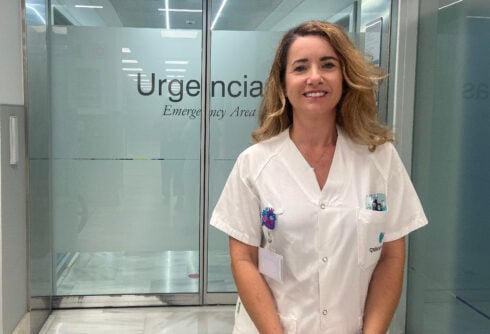
If an attack does occur, Dr Esther Hurtado, an emergency doctor at Quiron Salud hospital in Marbella, advises victims to immediately move away from the animal.
“Wash the area with plenty of soap and water and go to a health centre as soon as possible,” she said.
Even if an injury looks minor, wounds caused by a wild boar tusk or bite can have significant bacterial contamination and should never be underestimated.
However, both doctors stressed that the mere sighting of a wild boar does not pose a direct health hazard and there is no zoonotic epidemic on the coast.
A ‘zoonotic agent’ is a germ that can spread from animals to people, but a zoonotic epidemic requires an outbreak where many people become infected, which is not currently happening in Spain.
Dr Hurtado said we just have to be aware of the risk because as contact between wildlife and the population increases, transmission opportunities also increase.
Click here to read more Health News from The Olive Press.