Kathryn Richardson (Reporter)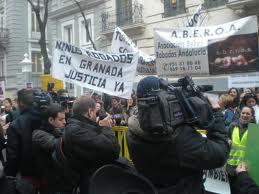
By Kathryn Richardson
A PLANNED mass exhumation of a cemetery in Malaga, believed to contain the remains of stolen babies, has been stalled.
Representatives of the Association of Andalusia Stolen Babies (Aberoa) have been told that a general exhumation of the San Rafael cemetery would not be possible.
Campaign group, Aberoa, believes there may still be remains buried in the cemetery from Franco’s regime which authorised hospitals and religious groups to take newborns away from their mothers for moral or ideological reasons.
Aberoa president, Isabel Aguera, argued that cases should be reactivated but the authorities have ruled they should carry out further research and only reopen cases when new facts came to light.
Aberoa Counsel said they were disappointed by the meeting’s outcome.
In the province of Malaga there are currently around 80 complaints of alleged theft of babies, believed to have taken place in the 1960s and 1970s.
Many complainants say their cases have been abandoned.
Aberoa have been taking part in a series of demonstrations with other pressure groups to try and force the authorities to move things forward.
The Olive Press recently told how stolen baby Quiqui Olivert managed to track down his birth parents.
He was taken from them at his birth in 1965 because they were unmarried but discovered the pensioners living in Northern Spain still together.
Click here to read more News from The Olive Press.