
SPAIN can now proudly boast a grand total of 32 billionaires after a surge in ultra-wealthy fortunes this year saw eight more added this calendar year.
But far from being a sign of surging entrepreneurship, it turns out that two thirds of them inherited their wealth, giving Spain one of the lowest rates of self-made billionaires in Europe.
The figures come from UBS’s 2025 Billionaire Ambitions report, which tracks the world’s richest individuals and major trends in wealth concentration and inheritance.
While Spain added eight new billionaires, a further three fell off the list, leaving it with the nice round number of 32 people with fortunes exceeding €1 billion.
READ MORE: Spain adds an extra eight new billionaires in 2025 as super-rich hit eye-watering new wealth record

Together they hold €182 billion, equivalent to 11% of Spain’s GDP. Their combined wealth grew by more than 21% over the past year.
UBS said Spain ‘stands out in this year’s report for the notable increase in billionaire wealth and for a greater concentration of family wealth’, adding that the rise is driven by the strong performance of several major Spanish business groups.
READ MORE: BREAKING: Spain boycotts next year’s Eurovision Song Contest after Israel allowed to compete
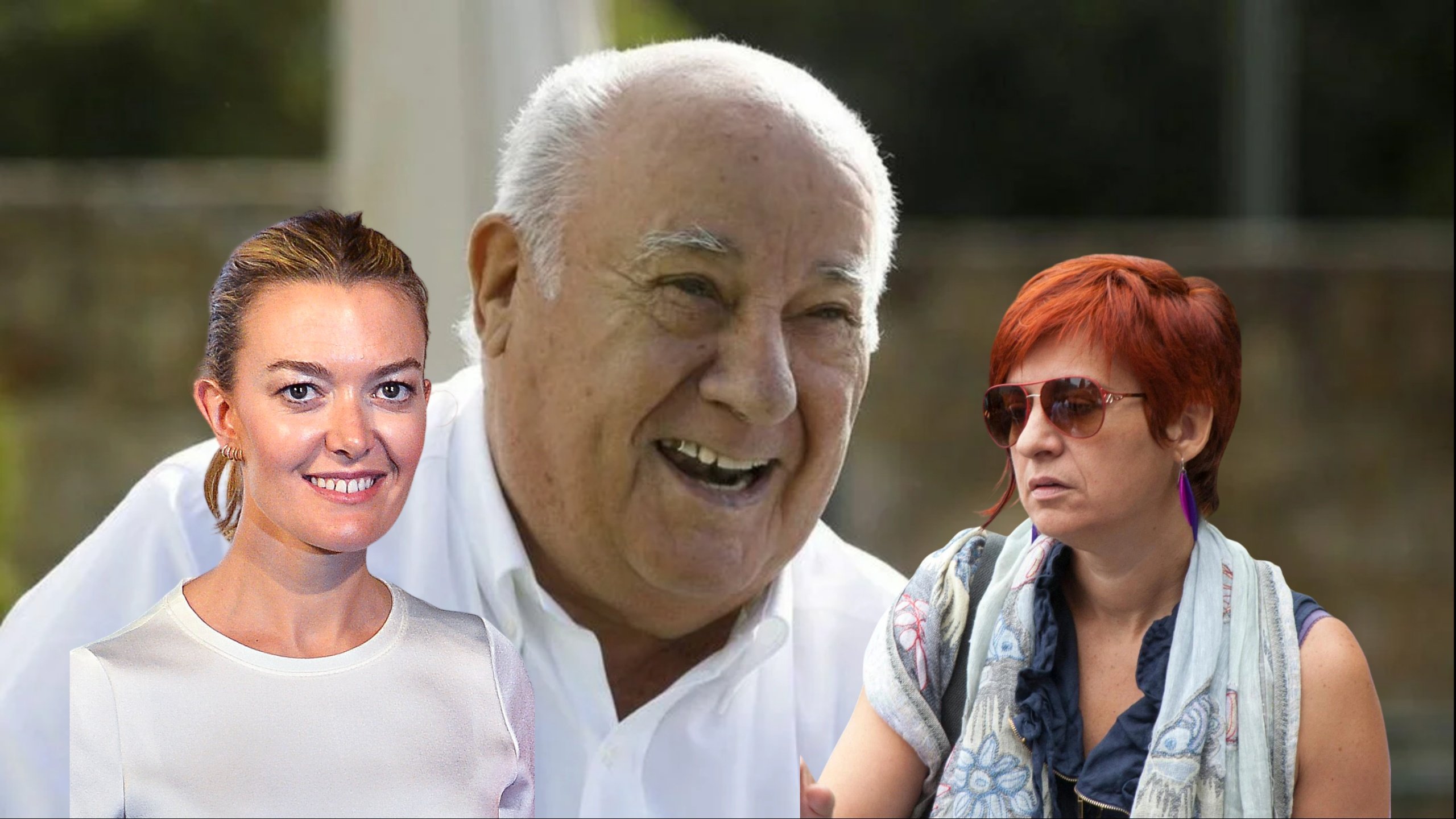
More than half of all billionaire wealth in Spain belongs to a single person. Amancio Ortega, founder of fashion empire Zara (Inditex), holds an estimated €124 billion, or 58% of the total.
But the most striking finding is the composition of Spain’s super-rich. Only 34% of Spanish billionaires are classed as self-made.
The remaining 66% inherited their fortunes, one of the highest proportions in Europe.
The most prominent of the nepo-billionaires are half-sisters Sandra Ortega and Marta Ortega.

Sandra became Spain’s richest woman after inheriting her mother Rosalia Mera’s Inditex stake, while Marta was given a controlling family position in Inditex from her father Amancio Ortega.
Then there are the Del Pino siblings, Rafael, Joaquin, Maria, who are heirs to Ferrovial founder and industrial titan Rafael del Pino – and now among Spain’s wealthiest dynasties.
By contrast, Spain’s self-made billionaires are a small minority.
They include the aforementioned Amancio Ortega, Mercadona founder Juan Roig, Tomas Olivo (commercial real estate and shopping centres), and Daniel Mate, who got rich through commodities with Glencore.
And as if to underline the point, Spain’s other self-made billionaire, Mango founder Isak Andic, died last year in a hiking accident – and his son is a prime suspect in what has become a murder investigation.

By comparison, across Europe the number of self-made billionaires is much higher.
In the United Kingdom it stands at 70% self-made, France at 57%, and Switzerland at 56%.
In the bigger picture, Spain is now the fifth European country by number of billionaires, behind Germany, Switzerland, the United Kingdom and France.
The UBS report also highlights the scale of the wealth that is about to change hands.
It estimates that €138 billion will pass from Spain’s current billionaires to their heirs over the next fifteen years, describing it as part of a historic ‘great inheritance’ that is accelerating worldwide.
The Swiss bank warned that this shift requires ‘long-term planning, robust family governance and a disciplined approach to succession’, as fortunes that move from founders to second- and third-generation heirs often dissipate rapidly.
Globally, around $6.9 trillion held by billionaires is expected to be transferred by 2040, with the vast majority going directly to children.
UBS says this will mark ‘the rise of a new generation’ with the power to reshape markets and influence economic trends.
Click here to read more Other News from The Olive Press.