
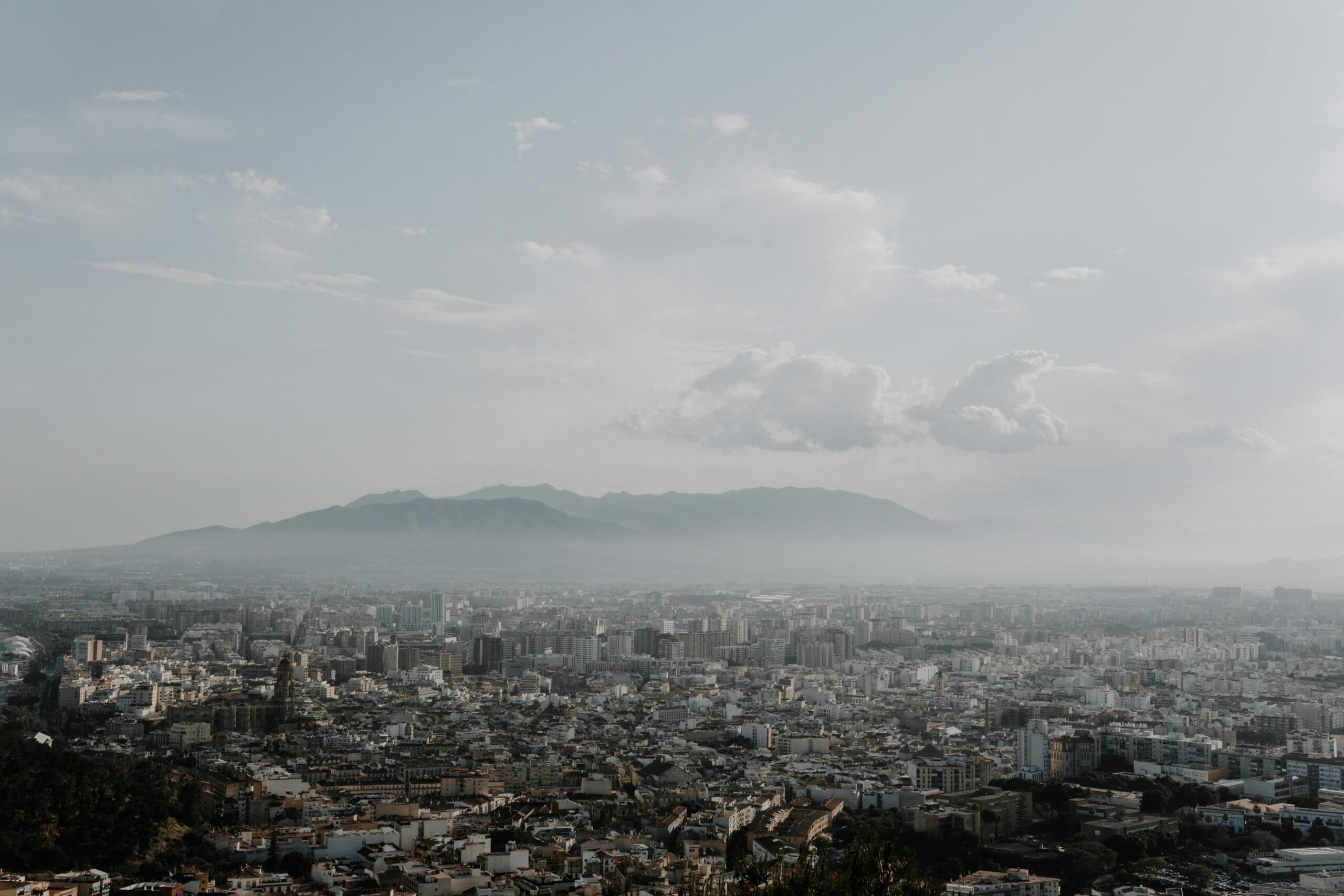
IF you think Malaga is all sun loungers and seaside chiringuitos, Christmas is the season that proves otherwise.
When the crowds thin out and temperatures drop, the province reveals a wilder, more dramatic personality, one shaped by rugged mountains, ancient forests, and vast open landscapes that are ideal for walking.
From snow-dusted peaks to hidden valleys and limestone plateaus, winter hiking offers a quieter and often more spectacular way to explore this corner of Andalucia.
The undisputed heavyweight of Malaga’s mountains is La Maroma, the highest point in the province at just over 2,000 metres.
In winter, its summit frequently receives snowfall, creating a striking contrast with the Mediterranean climate below.
The most popular ascent begins at the El Alcazar recreational area near Alcaucin and climbs steadily through rugged terrain to a summit that delivers expansive views across the Axarquia, the Sierras of Granada, and – on clear days – the coastline itself.
It is a demanding route, but one that rewards experienced walkers with a sense of real alpine adventure rarely associated with southern Spain.
Closer to the Guadalhorce valley, the Raja Ancha route in Pizarra cuts through a dramatic rocky fissure in the Sierra de Gibralgalia.
Stone steps and narrow passages lead walkers upward to the Mirador del Santo, where the winter light sharpens the outlines of distant hills and reveals the full breadth of the surrounding countryside.
It is a shorter, more accessible walk, yet one that delivers a strong sense of elevation and escape.
Further west, the Llanos de Líbar stretch out between Montejaque and Cortes de la Frontera as a vast high plateau that feels worlds away from the Costa del Sol.
After an initial climb, the landscape opens into rolling plains bordered by mountains, an environment that comes alive in winter thanks to its tranquillity and abundant wildlife.
Deer are commonly spotted here, particularly during the colder months when the area is at its quietest.
For many walkers, however, winter hiking in Malaga is synonymous with the Sierra de las Nieves, now a national park and long recognised as one of the province’s natural jewels.
The ascent of Pico Torrecilla, the range’s highest summit, is a classic cold-weather challenge. Starting from the Puerto del Saucillo near Yunquera, the route passes through rare pinsapo forests before emerging onto high ground where frost and snow are not uncommon.
These ancient firs, unique to southern Spain, give the walk an almost primeval atmosphere, especially under winter skies.
Also within the Sierra de las Nieves, the Los Sauces route near El Burgo combines natural beauty with echoes of history.
The path winds through dense woodland toward the Peñon de Ronda and passes remnants of the old Convent of the Virgen de las Nieves, a reminder of how deeply human life has long been intertwined with these mountains.
In winter, the muted colours and softer light lend the route a particular sense of calm.
Not all winter walking requires a long drive inland. Above Torremolinos, the Cañada del Lobo offers a surprisingly elevated escape just minutes from the coast.
The ancient trail climbs away from the urban sprawl and opens onto panoramic views across the Costa del Sol, with the Mediterranean stretching out below.
It also connects with sections of the Gran Senda de Malaga, allowing walkers to extend their route deeper into the hills if they wish.
Late winter brings a different kind of spectacle inland from Marbella and Coin, particularly around Guaro and the route to Puerto Chiribenitez.
As January gives way to February, almond trees burst into bloom, transforming hillsides into swathes of pink and white.
It is a brief but magical moment in the calendar and one that draws walkers keen to experience a softer, more colourful side of the season.
No exploration of Malaga’s winter landscapes would be complete without El Torcal de Antequera. This extraordinary karst plateau, shaped by millions of years of erosion, becomes even more otherworldly under winter light.
Access by road can be limited after snowfall, but walking up to Torcal Alto allows visitors to experience the full scale of its towering limestone formations, which cast long shadows and create a landscape that feels closer to a lunar surface than southern Spain.
Winter walking in Malaga does demand a little more preparation. Weather can change quickly in the mountains, and higher routes may require warm layers, waterproofs and careful planning.
Yet for those willing to lace up their boots and step away from the beach, the reward is a side of Andalucia that remains largely undiscovered: quiet, dramatic, and rich in natural beauty.
Click here to read more Olive Press Travel News from The Olive Press.